

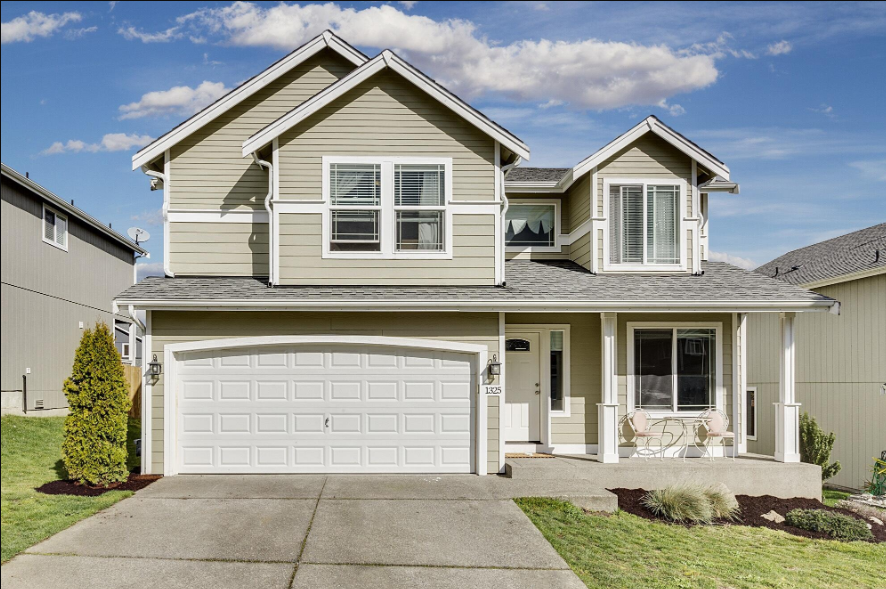
When homeowners plan an exterior property upgrade, selecting the right paving material sets the foundation for decades of daily convenience and structural reliability. The choices available on the market vary widely in price, upkeep demands, and long-term performance under local weather patterns.
Concrete stands out as a premier building medium because it balances heavy-duty engineering performance with refined visual appeal. Pouring a solid slab transforms an uneven entry path into a polished, safe approach that handles daily vehicular traffic without shifting or crumbling.
Evaluating how concrete pavement performs against alternative outdoor surfaces highlights why so many builders and homeowners rely on it. Proper planning ensures that the final driveway structure resists environmental wear while complementing the architectural character of the main house.
Why Solid Poured Slabs Outlast Flexible Paving Alternatives
Solid poured concrete outperforms flexible paving materials by forming a rigid, unified structure that bridges soft subgrades and distributes weight evenly across the entire surface.
Alternative surfaces like loose gravel or soft asphalt react very differently to environmental stress and continuous vehicle pressure. Gravel easily shifts, washes away during heavy rainstorms, and requires constant raking or replenishment to remain level.
Asphalt softens considerably during intense summer heatwaves, which allows parked vehicle tires to sink in and create deep ruts over time. Furthermore, asphalt requires recurring petroleum-based sealcoating every few years to keep its binder from drying out and crumbling.
In contrast, concrete cures into a rock-hard composite matrix that actually gains structural compressive strength over time. This solid performance makes concrete an exceptionally reliable choice for residential entryways, matching the dependable standards expected from quality professional home appliance setup guides when optimizing household utility systems.
Handling Heavy Passenger Vehicles and Severe Winter Freezes
Concrete driveway systems provide exceptional load-bearing capacity that easily supports large cars, delivery vans, and heavy recreational vehicles without buckling.
Everyday residential traffic exerts immense static and dynamic pressure on outdoor pavement, making structural integrity a top priority for property owners. Concrete slabs resist sinking and cracking under these heavy loads because the material distributes weight across a broad footprint.
Climate resilience is another defining characteristic of a well-engineered concrete slab, particularly in regions subject to intense freeze-thaw cycles. When trapped moisture freezes inside porous materials, it expands and causes rapid surface spalling and structural cracking.
Quality concrete mixes incorporate microscopic air pockets through air entrainment, giving internal moisture room to expand without breaking the surrounding bond. Homeowners can rest assured that the paved path will remain intact and structurally sound through multiple harsh winters.
Design Versatility Beyond Standard Gray Slabs
Custom concrete treatments move far beyond plain utility-gray surfaces, offering endless design flexibility through specialized coloring, stamping, and texturing techniques.
Property owners no longer have to settle for industrial-looking gray surfaces that clash with their home’s exterior landscaping. Mixing integral color pigments directly into the wet truckload creates rich, earthy tones like warm tan, deep charcoal, or soft terracotta.
Stamped concrete patterns can accurately mimic expensive natural flagstone, rustic cobblestone, or classic brick pavers at a fraction of the material cost. Alternatively, exposed aggregate finishes wash away the top cement paste to reveal colorful, textured stones embedded just beneath the surface for superior slip resistance.
These decorative choices ensure that a high-traffic utilitarian driveway doubles as a striking visual feature that boosts overall property valuation.
Low Maintenance and Long-Term Value
Concrete surfaces require remarkably little day-to-day maintenance and deliver outstanding financial value by lasting for decades with very few major repairs.
General upkeep involves little more than sweeping away fallen leaves, clearing winter snow, and hosing down occasional dust or debris. While automotive fluid spills should be cleaned promptly to prevent deep penetration, an occasional wash keeps the surface looking fresh.
Applying a breathable, quality sealer every few years further protects the concrete matrix from moisture intrusion and deicing salts. Because concrete does not demand the constant patching, crack filling, and sealcoating associated with other surfaces, property owners save significant time and money.
This combination of durability and low upkeep makes concrete a smart fiscal investment that enhances day-to-day living.
Key Technical Factors for a Successful Installation
Achieving a long-lasting concrete surface depends entirely on precise subgrade compaction, accurate slab thickness, and strategically placed control joints.
The following table details the core technical standards required for a successful residential concrete pour:
| Engineering Element | Standard Specification | Core Function |
|---|---|---|
| Subgrade Soil | Firm, uniform native soil | Prevents differential settling and underground shifting |
| Aggregate Base | 4 to 6 inches of crushed gravel | Improves sub-base drainage and structural stability |
| Slab Thickness | Minimum 4 inches (thicker for heavy loads) | Supports standard passenger vehicles without breaking |
| Internal Reinforcement | Steel rebar or welded wire mesh | Absorbs tensile stress and controls internal movement |
| Control Joints | Tooled or sawed every 10–12 feet | Guides natural drying shrinkage along straight lines |
Skipping these foundational steps often leads to premature cracking, edge crumbling, or sinking slabs within the first few years. Partnering with skilled paving professionals ensures that every layer meets specific local soil and climate demands.
Frequently Asked Questions
How many years can a concrete driveway typically remain functional?
A properly installed and maintained concrete driveway generally lasts between 30 and 40 years, frequently outperforming alternative paving materials.
How long must homeowners wait before parking vehicles on new concrete?
Property owners should wait at least 7 days before parking standard passenger cars on new concrete, and up to 28 days for full structural curing.
Why do some concrete driveways develop hairline cracks?
Concrete naturally contracts as it cures and dries, which can create minor surface blemishes unless managed properly through sawed control joints and sturdy sub-base compaction.
Is concrete significantly more expensive to install than asphalt?
The initial installation cost for concrete is usually higher than asphalt, but concrete’s decades-long lifespan and low maintenance needs make it more cost-effective over time.
Does a new concrete driveway require protective sealing?
Applying a quality penetrating sealer after the slab has completely cured helps guard against harsh deicing salts, oil drips, and seasonal freeze-thaw damage.
Is it advisable to pour a concrete driveway as a DIY project?
Pouring concrete requires precise timing, heavy grading equipment, and rapid finishing skills, making professional contractor installation strongly recommended for best results.
Disclaimer: Details regarding concrete installation specifications, curing timelines, and cost comparisons serve as general educational guides. Because regional soil composition, local weather patterns, and contractor practices vary, property owners should consult licensed professionals for exact project estimates and site evaluations.


