
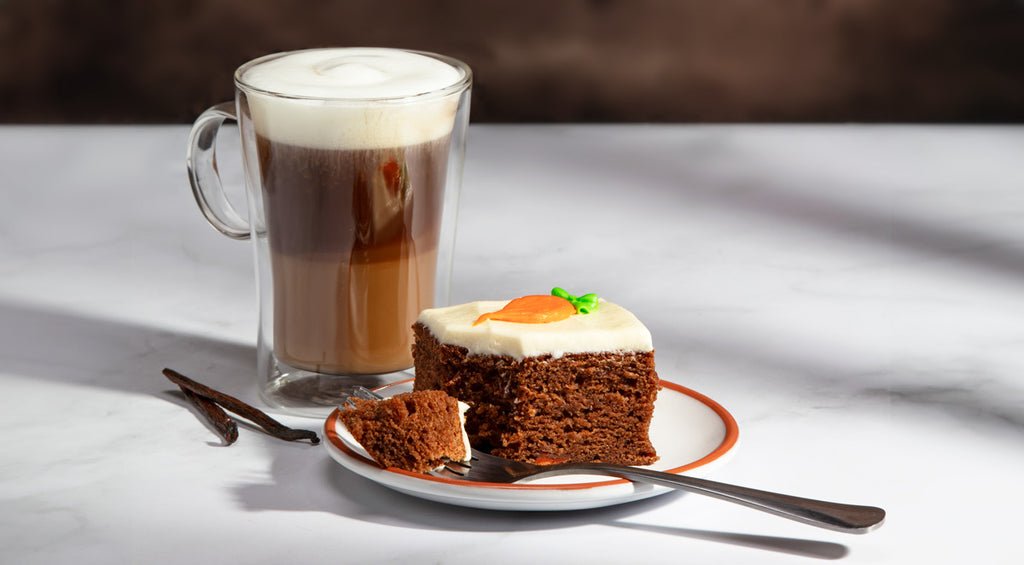
Coffee and traditional pastries represent an inseparable culinary pairing across the Andean valleys and bustling neighborhood bakeries of Colombia. For generations, local families have balanced the distinct sweetness of regional treats with the bright acidity or rich body of freshly brewed local beans. Understanding these flavor dynamics elevates a casual afternoon snack into a thoughtfully crafted tasting experience that honors Colombian agricultural heritage.
Colombian coffee beans vary widely by harvest altitude and roasting style, producing tasting notes that span from bright citrus to deep cocoa. Traditional confections follow a similar spectrum, incorporating rich creams, sweet milk spreads, and savory cheeses. Pairing these elements requires intentional choices regarding beverage strength and brewing methods to ensure neither the sweet nor the sip overpowers the other.
Balancing Colombian Sweetness With Coffee Bitterness
Achieving harmony between Colombian sweets and coffee relies on contrasting heavy sugars with clean coffee bitterness.
When a dessert features heavy dairy fats or dense concentrations of sugar, a mild beverage can taste flat and cloying. Expert tasters utilize the natural acidity or roasty bitterness of a well-brewed cup to act as a palate cleanser. This bitterness cuts through rich creams, refreshing the palate between bites so that every taste remains distinct. At the same time, aromatic compounds in the coffee should enhance underlying flavor notes like caramel, panela, or cinnamon.
Traditional Colombian Sweets and Coffee Pairings
Classic Colombian pairings pair specific baked goods with targeted brewing styles to maximize flavor contrast.
1. Torta de Tres Leches with Cappuccino
Torta de Tres Leches features a light sponge cake thoroughly soaked in evaporated milk, condensed milk, and heavy cream. Because the cake is exceptionally moist and rich, a cappuccino provides the necessary structural contrast. The boldness of the espresso combined with velvety milk foam cuts through the dense dairy while mirroring the smooth mouthfeel of the dessert.
2. Buñuelos with Colombian Black Coffee
Buñuelos are round, deep-fried dough balls made with cornstarch, fresh white cheese, and eggs, served piping hot during holidays and afternoon coffee breaks. They offer a savory, slightly salty interior underneath a crisp golden crust. A clean cup of black coffee brewed from medium-roast beans provides a robust counterpoint that refreshes the palate without masking the subtle cheese flavor.
3. Almojábanas with Café con Leche
Almojábanas are light, cheesy bread rolls crafted from cornmeal and fresh cheese, enjoyed fresh from the oven. Because they lean toward mild sweetness and savory corn notes, they harmonize effortlessly with a traditional café con leche. Equal parts strong brewed coffee and steamed milk create a comforting, creamy drink that softens the cornmeal texture while accentuating the cheese.
4. Arequipe with Espresso
Arequipe is the traditional Colombian counterpart to dulce de leche, created by slowly simmering milk and sugar until it forms a thick, golden caramel spread. Because arequipe delivers an intense surge of sweetness, a concentrated shot of espresso provides the deep, bitter undertones needed to balance the palate and let the caramel shine.
5. Postre de Natas with Cold Brew
Postre de natas is a delicate custard made from milk curds, sugar, and eggs, yielding a rich dairy profile with a slightly gelatinous texture. A smooth, low-acid cold brew coffee enhances the custard’s natural creaminess while offering a cool temperature contrast against the room-temperature dessert.
Exploring Colombian Regional Bean Profiles and Brew Methods
Modern specialty cafes across Bogotá and Medellín utilize origin-specific beans and pour-over methods to elevate traditional dessert pairings.
Distinct coffee-growing departments in Colombia yield unique flavor characteristics shaped by local microclimates and altitudes. Beans harvested in Huila frequently display bright citrus acidity and brown sugar notes, making them ideal partners for lighter fruit pastries or soft custards. In contrast, beans from Antioquia often exhibit heavier chocolate and nutty profiles that complement dense caramel confections like arequipe. Furthermore, contemporary coffee bars utilize modern manual brewing equipment like V60 pour-overs and Chemex systems. These filter methods produce a clean, delicate body that highlights floral aromas and red-fruit undertones, giving dessert lovers endless avenues for culinary experimentation.
| Colombian Confection | Recommended Coffee Style | Flavor Interaction Mechanics |
|---|---|---|
| Torta de Tres Leches | Cappuccino | Espresso bitterness cuts heavy dairy; foam mirrors cake texture |
| Buñuelos | Black Coffee | Clean roast refreshes palate against savory fried dough |
| Almojábanas | Café con Leche | Creamy steamed milk softens cornmeal and cheese saltiness |
| Arequipe | Espresso | Intense coffee concentration balances rich caramel sweetness |
| Postre de Natas | Cold Brew | Low-acid smoothness highlights delicate custard creaminess |
Mastering Colombian Coffee and Pastry Pairings at Home
Recreating authentic Colombian dessert and coffee pairings at home involves careful control over brewing temperatures and tasting order.
When preparing beans at home, use filtered water heated to approximately 200°F to prevent extracting harsh, bitter compounds that clash with delicate pastries. Grind coffee beans just before brewing to capture volatile aromatic oils. When serving your creation, take a small sip of coffee first to coat your taste buds, enjoy a bite of the dessert to experience its texture and sweetness, and follow immediately with another sip of coffee. This sequence allows the warm beverage to dissolve residual sugars and reset your palate for the next bite.
Frequently Asked Questions
What makes Colombian coffee uniquely suited for dessert pairing?
Colombian coffee is celebrated for its balanced acidity, medium body, and natural caramel or nutty sweetness, providing a versatile foundation that harmonizes with sugary treats without getting lost.
Should I use flavored coffee syrups with traditional Colombian sweets?
Flavored syrups are generally discouraged because authentic Colombian pastries already feature complex natural ingredients like panela, cinnamon, and fresh dairy that can clash with artificial additives.
Which regional coffee roast works best with chocolate-based desserts?
Medium-dark roasts from departments with volcanic soils provide rich cocoa and brown sugar undertones that naturally complement chocolate-heavy treats.
Is it better to serve hot or cold coffee alongside creamy custards?
Both styles work well, but hot coffee helps melt heavy dairy fats on the palate, whereas cold brew offers a refreshing temperature contrast against rich textures.
How do regional bean variations impact dessert flavor notes?
Beans from high-altitude southern regions often possess brighter fruit notes, while central and northern growing zones tend toward heavier chocolate and roasted nut characteristics.
Where can I purchase authentic single-origin Colombian beans?
Specialty roasters, local Latin American markets, and direct-trade online importers offer single-origin Colombian coffee beans clearly labeled by harvest region.
For sports enthusiasts looking to balance culinary exploration with competitive action, you may also enjoy reviewing our data-driven breakdown of Pacers vs Milwaukee Bucks match player stats.
Disclaimer: Culinary pairing preferences are subjective, and flavor profiles vary depending on bean roast levels, farm origins, and baking techniques. Readers are encouraged to experiment with different combinations and verify specific ingredient details from official culinary sources.

Daniel J. Morgan is the founder of Invidiata Magazine, a premier publication showcasing luxury living, arts, and culture. With a passion for excellence, Daniel has established the magazine as a beacon of sophistication and refinement, captivating discerning audiences worldwide.


