

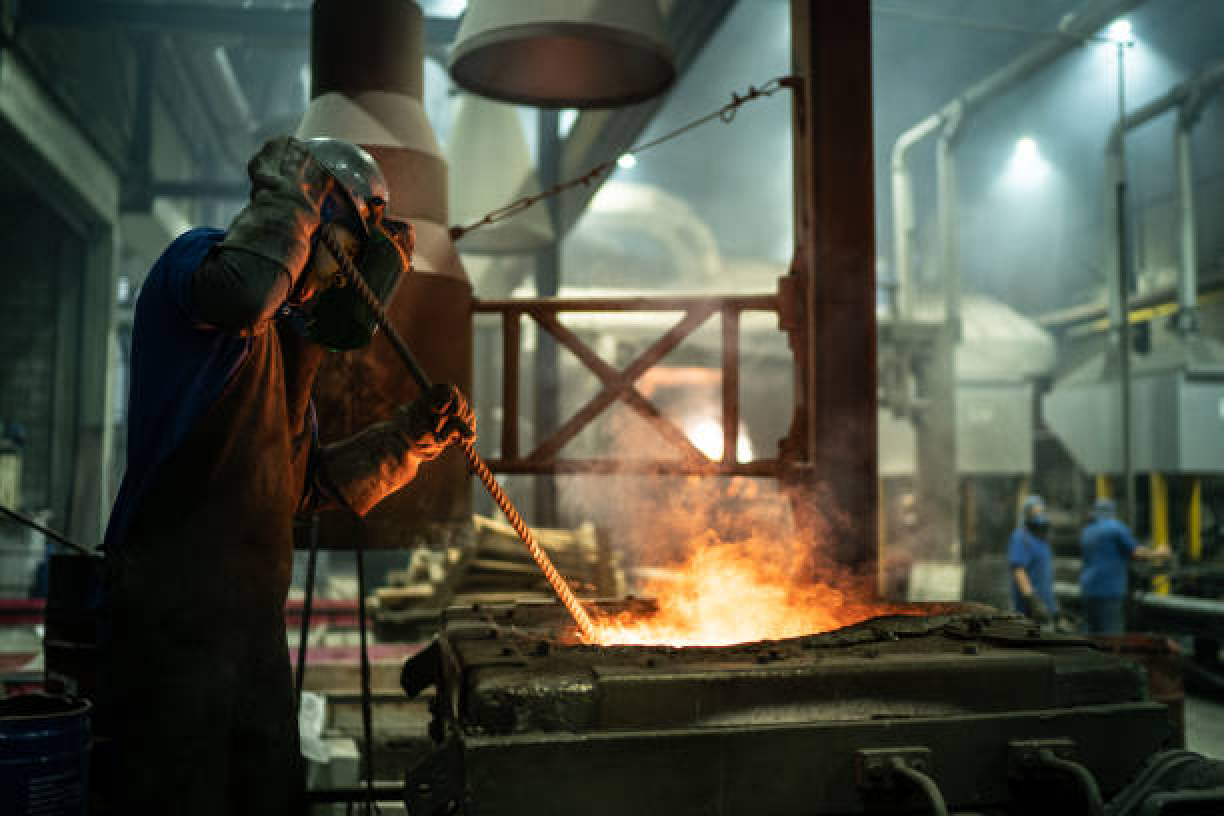
Sand casting products remain a foundational pillar of modern manufacturing, turning raw molten metal into durable geometric shapes. This reliable process relies on compacting specialized molding sand around a pattern to create cavity forms that handle high temperatures. Green sand molding serves as the most common baseline technique, utilizing high-purity silica sand, clay binders, and controlled moisture. Manufacturers depend on this process because it balances economic efficiency with high design flexibility for intricate components.
Modern foundries have transformed traditional craftsmanship into a high-precision science by integrating automated reclamation systems and digital design tools. Rather than operating as an isolated craft, contemporary sand casting connects directly with high-tech engineering demands across multiple economic sectors. Understanding these applications highlights how a centuries-old method continues to solve complex industrial design challenges today.
How Green Sand Molding Operates in Contemporary Foundries
Green sand molding operates in contemporary foundries by binding silica sand with precise ratios of clay and water to form rigid, reusable mold halves.
Modern production lines use automated high-pressure molding machines to pack the sand mixture tightly around metal or 3D-printed patterns, ensuring uniform density throughout the mold cavity. Once the liquid metal is poured and allowed to cool, the sand mixture breaks apart easily during the shakeout phase. Foundries then route the spent sand through advanced thermal and mechanical reclamation units that clean, cool, and separate the grains for immediate reuse. This closed-loop recycling reduces material expenses and minimizes environmental waste while preserving consistent permeability and tensile strength across thousands of production cycles.
Process technicians monitor moisture content and grain distribution continuously to prevent casting defects like porosity or surface cracking. When pouring high-temperature alloys, the sand mixture must withstand extreme thermal shock without losing structural integrity or dimensional stability. Automated batch mixers and pneumatic conveyors streamline this preparation phase, allowing foundries to switch between different alloy grades with minimal downtime. This operational adaptability makes green sand systems uniquely suited for both rapid prototype creation and continuous high-volume manufacturing runs.
Lightweight Powertrain and Structural Automotive Components
Lightweight powertrain and structural automotive components rely on sand casting products to achieve complex hollow geometries that reduce overall vehicle weight.
Automotive engineers face strict regulatory demands to improve fuel efficiency and extend the driving range of electric vehicle platforms. Sand casting allows designers to incorporate intricate internal cooling channels and ribbed structural webs directly into aluminum and iron engine blocks or transmission housings. These complex internal features would be impossible or prohibitively expensive to produce using conventional milling or welding techniques from solid metal billets.
The flexibility of pattern creation also accelerates automotive research and development when testing experimental suspension housings or specialized engine blocks. Foundries can modify sand molds rapidly without waiting for costly permanent steel dies to be machined from scratch. This agile prototyping cycle helps manufacturers validate mechanical strength and thermal performance under real-world stress conditions before committing to mass production. For homeowners and vehicle mechanics seeking related structural hardware insights, exploring our guide on heavy-duty industrial fluid equipment offers a helpful look at durable mechanical assemblies.
High-Integrity Aerospace and Defense Alloy Castings
High-integrity aerospace and defense alloy castings provide the extreme temperature resistance and structural reliability required in modern aviation engineering.
Aircraft manufacturers specify sand-casted titanium, nickel-based superalloys, and specialized aluminum components for critical wing attachment fittings and structural engine mounts. These parts must endure severe vibrational stress, high gravitational loads, and rapid thermal cycling during flight operations. Sand casting enables aerospace suppliers to produce these massive, load-bearing components with uniform grain structures and excellent fatigue resistance.
Quality assurance protocols in aerospace foundries involve rigorous non-destructive testing, including digital X-ray radiography and ultrasonic examination, to detect any internal imperfections. Every casting undergoes strict dimensional verification against computer-aided design models to ensure compliance with international aviation safety regulations. By combining lightweight design freedom with certified metallurgical integrity, sand casting remains an essential production route for modern flight hardware.
Heavy Machinery Chassis and Civil Infrastructure Hardware
Heavy machinery chassis and civil infrastructure hardware utilize sand casting products to endure continuous high-load operations and harsh weather conditions.
Construction equipment manufacturers use large-scale sand castings to build rugged excavator frames, hydraulic pump housings, and heavy-duty gearboxes that operate on active job sites. These components require thick-walled cross-sections and exceptional impact resistance to prevent structural failure under heavy mechanical loads. Casting these large parts as single, unified pieces eliminates vulnerable welded joints and improves overall structural rigidity.
Municipal infrastructure projects also depend on durable sand-casted iron elements, including manhole frames, drainage grates, and municipal valve bodies buried beneath city streets. These utilitarian items must resist soil corrosion, heavy traffic weight, and freeze-thaw cycles over decades of continuous public service. Foundries ensure these civic components meet strict tensile strength standards so public works remain safe and dependable.
Precision Engineering in Specialized Medical and Artistic Fields
Precision engineering in specialized medical and artistic fields demonstrates the incredible versatility of sand casting beyond heavy industrial settings.
Specialized medical equipment manufacturers utilize custom sand-casted stainless steel and non-toxic alloy housings for surgical tables, diagnostic imaging equipment bases, and hospital mobility carts. These components provide the structural stability and cleanability needed in demanding clinical environments where sanitation is critical. Sculptors, bronze artists, and architectural designers also use sand casting to capture fine surface textures and organic shapes in decorative metalwork.
The artisan sand casting technique allows creators to pour molten bronze or aluminum into custom handcrafted sand molds with remarkable detail and artistic freedom. This unique overlap between industrial metallurgy and creative design proves that sand casting adapts seamlessly to both utilitarian mechanics and aesthetic expression. Whether shaping a massive mining pump component or a delicate architectural facade bracket, foundries maintain precise control over the final metallic finish.
Digital Simulation and 3D Sand Printing in Modern Foundries
Digital simulation and 3D sand printing in modern foundries have modernized traditional metal casting into a data-driven manufacturing science.
Engineering teams use advanced computer-aided flow simulation software to model how molten metal moves through the mold cavity during pouring. This software predicts potential turbulence, shrinkage cavities, and trapped gas pockets, allowing technicians to optimize gating and risering designs digitally before pouring real metal. Additionally, binder jetting 3D sand printers fabricate complex molds and internal cores directly from digital CAD files without requiring physical wooden pattern plates.
These technological advancements dramatically shorten lead times for custom replacement parts and intricate low-volume production orders. Automated robotic shakeout systems, induction melting furnaces, and intelligent sensor networks further enhance workplace safety and batch-to-batch consistency across the foundry floor. By blending digital precision with foundational metallurgy, modern foundries continue to expand the boundaries of what metal components can achieve.
Frequently Asked Questions
What makes green sand molding different from other casting techniques?
Green sand molding uses a mixture of silica sand, clay, and water as the primary mold material, offering high reusability and cost efficiency compared to permanent metal molds.
Can sand casting produce high-precision metal parts?
Yes, modern sand casting achieves tight dimensional tolerances and complex internal geometries through computer flow simulation, 3D printed sand cores, and strict quality control.
Which metals are commonly poured in sand casting operations?
Aluminum alloys, gray iron, ductile iron, bronze, brass, and various steel formulations are routinely poured depending on the mechanical and thermal requirements of the application.
Why is sand casting widely used in the automotive sector?
Automotive manufacturers rely on sand casting because it produces complex engine blocks and lightweight structural components affordably with excellent design flexibility.
How do modern foundries handle environmental and waste concerns?
Modern foundries operate comprehensive sand reclamation systems that clean, cool, and recycle used silica sand for thousands of molding cycles to minimize industrial landfill waste.
What role does 3D printing play in contemporary foundry work?
3D sand printers fabricate complex molds and internal cores directly from digital files, eliminating the need for traditional wooden or metal pattern plates during prototyping.
Disclaimer: Manufacturing technologies, material specifications, and industrial standards evolve continuously. Readers should verify final engineering specifications and material certifications directly from official foundry sources before initiating commercial production projects.


