

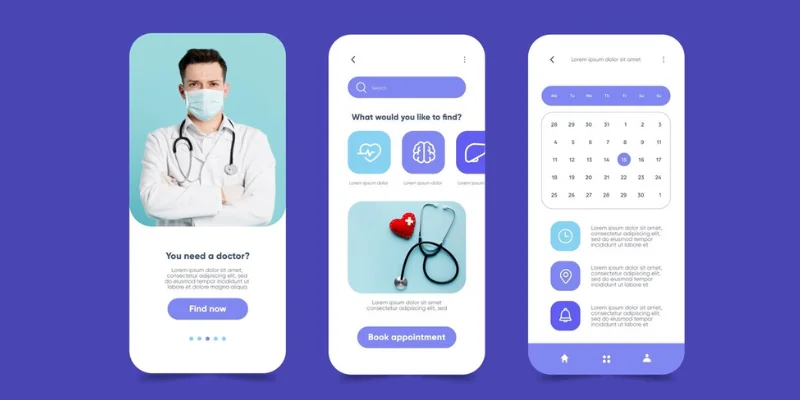
The medical sector continues to modernize at an unprecedented pace, moving away from fragmented paper records toward highly integrated digital ecosystems. At the forefront of this shift are specialized technology partners dedicated to bridging complex clinical needs with advanced engineering solutions.
Specialized technology vendors combine software engineering expertise with rigorous clinical domain knowledge to build applications that support doctors, nurses, and hospital administrators. Rather than relying on generic enterprise tools, medical institutions turn to dedicated developers who understand patient safety mandates, data exchange protocols, and the nuances of daily hospital workflows.
Why Digital Transformation Requires Specialized Healthcare Software Development
Specialized software engineering is essential because medical environments operate under zero-tolerance conditions where software glitches directly impact patient outcomes.
General commercial software cannot handle the unique demands of clinical data handling, prescription tracking, and real-time patient monitoring. Dedicated development teams build purpose-driven platforms that mirror actual physician decision pathways, thereby reducing administrative bottlenecks and minimizing charting fatigue for medical staff.
Core Capabilities of Top Healthcare Software Developers
Top medical tech teams deliver comprehensive capabilities spanning electronic health record integration, custom telehealth portals, and resilient cloud architectures.
Modern clinics require scalable cloud data vaults that remain accessible during high-pressure emergency admissions while maintaining strict access controls. Furthermore, custom telehealth suite engineering enables remote patient telemetry and secure video consultations, expanding care access for rural and homebound populations.
| Core Technical Domain | Primary Clinical Application | Key Operational Benefit |
|---|---|---|
| EHR/EMR Integration | Unifying patient charts across separate hospital departments | Eliminates duplicate entry and speeds up intake |
| Telehealth Architecture | Powering encrypted virtual consults and remote monitoring | Extends specialist access and chronic care tracking |
| Cloud Data Infrastructure | Hosting encrypted medical archives on redundant servers | Guarantees disaster recovery and fast retrieval |
| Clinical Analytics Engines | Processing health datasets for predictive trend forecasting | Optimizes nurse rostering and bed allocation |
Key Challenges Handled by Healthcare Development Partners
Navigating rigid interoperability barriers and stringent data privacy laws represents one of the most demanding responsibilities for medical software engineers.
To prevent data silos, developers implement standardized data exchange frameworks such as Health Level Seven (HL7) and Fast Healthcare Interoperability Resources (FHIR). Simultaneously, safeguarding electronic protected health information against modern cyber threats requires strict adherence to regulatory standards like the Health Insurance Portability and Accountability Act (HIPAA) in the United States and the General Data Protection Regulation (GDPR) in Europe.
Advanced Technologies Reshaping Clinical Software Today
Artificial intelligence and secure real-time data pipelines are actively transforming clinical software by providing automated documentation and early risk detection.
Engineers harness machine learning models to analyze diagnostic imaging scans, flag early indicators of patient deterioration, and summarize complex medical histories. These intelligent automation layers minimize paperwork overhead, allowing physicians to devote more time to direct patient interactions.
How to Choose a Healthcare Software Development Partner
Selecting the right technical vendor requires a thorough evaluation of past clinical portfolios, cybersecurity protocols, and verifiable compliance track records.
Hospital directors and health tech founders must vet potential partners to confirm they have hands-on experience managing complex API integrations, HIPAA security audits, and rigorous quality assurance testing. Collaborating with experienced providers ensures that digital health products meet the exacting reliability standards required for hospital deployment.
For related perspectives on how organizations manage and organize their broader digital infrastructure, exploring general corporate technology systems offers valuable context; for more on optimizing business workflows, see our guide on the essential role of business software to understand wider enterprise automation principles.
Frequently Asked Questions
What do healthcare software development companies do?
Healthcare software development companies design, build, and maintain specialized digital applications for hospitals, clinics, and health tech startups, ensuring strict adherence to medical compliance and secure data handling.
Why is HIPAA compliance crucial in medical software creation?
HIPAA compliance is a legal requirement in the United States that safeguards sensitive patient health records against unauthorized access, ensuring applications maintain rigorous privacy standards.
What role do HL7 and FHIR standards play in healthcare apps?
HL7 and FHIR provide standardized data exchange frameworks that allow disparate electronic health records and diagnostic devices to share patient information securely and accurately.
How long does it typically take to build a custom clinical application?
The timeline for developing a custom medical application varies based on feature scope and regulatory hurdles, ranging from a few months for an initial MVP to over a year for full enterprise hospital rollouts.
What distinguishes custom medical software from off-the-shelf products?
Off-the-shelf medical software provides generic features for standard administrative use, whereas custom software is tailored specifically to an organization’s unique clinical workflows and security needs.
How do developers achieve data interoperability across medical systems?
Developers achieve interoperability by implementing standardized application programming interfaces and strictly following recognized medical data exchange protocols.
Disclaimer: The information regarding healthcare software development, regulatory mandates, and clinical technology trends is subject to change as laws and industry standards evolve. Readers should verify final technical and compliance specifications directly with official regulatory bodies and qualified legal counsel prior to initiating any software project.


