

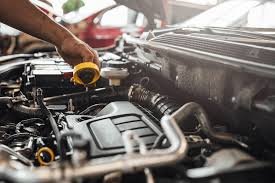
Introduction to Internal Engine Cleansing
Engines serve as the heavy-duty heart of every vehicle, boat, and piece of machinery, relying on a delicate balance of lubrication to survive extreme heat and pressure. Over thousands of miles of operation, internal components inevitably collect a layer of microscopic grit, oxidized oil residue, and stubborn sludge. This buildup restricts the smooth flow of lubricants and forces mechanical parts to work much harder than intended. Engine flushing serves as a targeted maintenance intervention designed to scour away these harmful deposits before they cause permanent wear. Understanding when and how to clear out this contamination is essential for keeping mechanical systems operating at peak efficiency.
How Chemical Sludge Removal Works in Modern Motors
An engine flush introduces a specialized detergent-rich fluid into the lubrication system immediately before a scheduled oil change to dissolve trapped varnish and carbon. Standard oil drains remove the bulk of suspended debris, but they often leave behind baked-on contaminants clinging to the oil pan, lifters, and piston rings. Chemical cleaning agents break down these tenacious films so they can be completely drained out with the old fluid. Modern high-detergent synthetic oils prevent most of this accumulation during normal driving conditions, but neglected maintenance schedules can allow heavy deposits to form over time.
Recognizing When Your Vehicle Needs an Oil System Flush
Vehicle owners and equipment operators should reserve a dedicated cleansing service for situations involving severe contamination or neglected service intervals rather than treating it as a routine requirement. If a pre-purchase inspection reveals thick, dark buildup under the valve cover or if a car has endured extended oil change intervals, a chemical cleaning can restore proper oil circulation. Similarly, machinery that operates under heavy towing loads or frequently makes short trips in freezing weather is more prone to moisture condensation and sludge formation. Bringing long-stored equipment back into active service is another scenario where clearing out aged, oxidized residues makes practical sense.
Comparing Automotive, Industrial, and Marine Flushing Procedures
Different mechanical applications require distinct flushing strategies tailored to their specific operational environments and cooling or lubrication designs. Automotive technicians typically rely on in-circuit cleaning where a mild solvent circulates through the running motor for a brief period. Heavy industrial machinery often utilizes off-circuit filtration rigs that pump specialized cleaning agents through isolated components outside the primary chassis. Watercraft demand specialized care, such as flushing outboard motors with fresh water to purge corrosive salt, silt, and sand from internal cooling jackets. Additionally, cooling system flushes remove acidic rust and mineral scale from radiators and water pumps, protecting the entire thermal management architecture.
Measuring the Impact on Friction, Efficiency, and Power Output
Properly executed maintenance flushes support smoother mechanical operation by reducing friction between closely fitted moving parts. When oil passages are completely clear, vital components like camshaft bearings and valve trains receive immediate lubrication upon startup. While cleaning out carbon deposits cannot reverse physical metal wear, it helps maintain optimal compression and supports steady fuel efficiency by eliminating parasitic drag. Keeping internal pathways clean ensures that modern combustion chambers operate with minimal resistance over their intended lifespan.
Safety Precautions and Best Practices for Safe Application
Executing an engine flush demands careful attention because overly aggressive solvent cleaners can dislodge large chunks of debris too quickly. These loose particles can potentially block narrow oil galleries, turbocharger feed lines, or variable valve timing actuators if not managed correctly. Modern tight-tolerance engines require mild, high-quality detergent formulas rather than harsh chemical brews that might compromise rubber seals and gaskets. Anyone preparing for major mechanical work or looking for guidance on choosing the right home builder and automotive service experts should always prioritize professional advice when handling complex maintenance tasks.
Frequently Asked Questions
What is the primary objective of an engine flush?
The main goal is to dissolve and wash away stubborn sludge, varnish, and combustion byproducts from internal metal surfaces before fresh oil is installed.
Should every oil change include a chemical flush?
No, standard oil changes are entirely sufficient for well-maintained vehicles, and chemical cleaning is typically reserved for engines with heavy deposit buildup.
Can improper flushing procedures harm a motor?
Using harsh solvents incorrectly can break loose large debris that clogs sensitive oil passages, making strict adherence to manufacturer instructions vital.
How much operating time does an automotive flush require?
A typical in-circuit automotive cleaning procedure adds about ten to fifteen minutes of idle time to the standard oil change process.
Does a coolant flush clean internal engine oil pathways?
No, coolant flushes focus exclusively on the radiator and cooling system passages, whereas oil system flushes target internal lubrication channels.
Are over-the-counter flushing additives safe for modern synthetics?
Many commercial additives are formulated to work safely with synthetic oils, but users must verify compatibility with their specific engine manufacturer recommendations.
Disclaimer: Mechanical maintenance procedures, chemical formulations, and equipment tolerances vary significantly across different manufacturers. Always consult your official owner’s manual or a certified professional technician to verify correct service guidelines before undertaking any mechanical maintenance.


[…] routine maintenance and occasional preventive checks—similar to the care outlined in our guide on engine flushing for smooth running—remain essential for long-term mechanical […]