

Key Takeaways
- Understanding presbyopia as a natural age-related change in the eye’s crystalline lens
- Recognizing early symptoms such as eye strain and the need for arm’s-length reading
- Exploring standard and advanced correction methods including progressive lenses and modern surgical options
- Adopting daily digital habits, task lighting, and nutrition to support overall eye health
What Is Presbyopia and Why It Happens
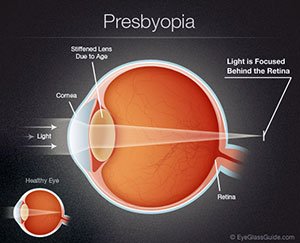
Presbyopia is a natural age-related condition that gradually impairs the ability of the human eye to focus on nearby objects. This visual shift occurs because the crystalline lens inside the eye loses its flexibility over time. As people grow older, the proteins within the lens change, making it stiffer and less able to alter its shape when focusing on text held close to the face. While this process is an unavoidable part of normal aging, it often catches individuals by surprise once they cross into middle age.
Unlike nearsightedness or farsightedness, which are typically related to the overall shape of the eyeball, presbyopia specifically targets the internal focusing mechanism. Because it affects everyone eventually, understanding the underlying biology helps demystify why close-up tasks suddenly require more effort or brighter illumination.
Recognizing the Early Signs
Early signs of presbyopia usually become apparent in adults over the age of forty as text begins to blur during routine reading tasks. One of the most common early behavioral adjustments is holding books, newspapers, or mobile phones further away from the eyes to bring letters into sharper focus. This instinctive habit extends the focal length, temporarily compensating for the hardening lens.
Additional indicators include experiencing persistent eye strain, fatigue, or mild tension headaches after spending extended periods working on close-up hobbies like sewing, crafting, or reviewing documents. These symptoms tend to worsen significantly in dim environments where the pupil dilates, reducing depth of field and making crisp near vision even more difficult to achieve without adequate lighting.
Standard Vision Correction Options
Standard vision correction options provide reliable ways to restore crisp near vision for daily activities. Over-the-counter reading glasses offer a simple and affordable starting point for many individuals who only need temporary magnification for reading. Individuals who require vision correction for multiple distances often choose prescription progressive lenses or bifocals, which eliminate the need to constantly switch between different pairs of glasses.
Specialized contact lenses also provide effective solutions for people who prefer not to wear traditional spectacles. Multifocal contact lenses feature different zones built into the lens design to accommodate both distance and near viewing requirements simultaneously. Alternatively, monovision contact lens fittings involve correcting one eye primarily for distance and the other eye for near vision, allowing the brain to adapt and select the appropriate focus automatically.
| Correction Method | Best Suited For | Primary Benefit |
|---|---|---|
| Over-the-Counter Readers | Occasional near tasks | Affordable and readily available in various strengths |
| Progressive Lenses | Continuous daily wear | Seamless vision correction across near, intermediate, and far distances |
| Multifocal Contacts | Active lifestyles | Glasses-free wide-range visual support |
Emerging Treatments and Surgical Alternatives
Advanced surgical alternatives and emerging medical treatments offer alternative paths for individuals seeking to reduce their long-term dependence on traditional eyewear. Refractive surgical procedures, such as specialized laser vision correction or corneal inlays, reshape the corneal surface or alter focal points to enhance near-range clarity. For patients developing simultaneous lens clouding, refractive lens exchange involves replacing the natural crystalline lens with an advanced multifocal or accommodating intraocular lens.
In recent years, pharmacological eye drops designed to constrict the pupil and improve near focus have also entered clinical availability. These specialized prescription drops provide a temporary non-surgical boost in reading ability for several hours. Consulting an experienced ophthalmologist remains essential to evaluate candidacy for these advanced medical technologies.
Practical Daily Habits for Eye Comfort
Practical daily habits can significantly enhance everyday eye comfort and reduce the fatigue associated with aging vision. Ensuring proper task lighting when reading or working on detailed projects minimizes the strain placed on the focusing muscles. Additionally, integrating structured digital habits helps protect overall eye wellness, keeping your daily routines comfortable and organized.
Adhering to the well-known 20-20-20 rule offers a simple way to rest the eyes during prolonged screen time or close-up work. Every twenty minutes, individuals should pause to look at an object located at least twenty feet away for a minimum of twenty seconds. Eating a balanced diet rich in essential vitamins, antioxidants, and key nutrients further supports long-term ocular tissue health. For those who want to explore broader lifestyle routines that complement structured daily wellness, our guide on managing household tasks efficiently offers additional perspective on keeping everyday habits balanced.
Frequently Asked Questions
At what age does presbyopia typically start to develop?
Presbyopia usually begins to affect individuals in their early to mid-forties as the natural flexibility of the eye lens gradually decreases.
Can eye exercises stop or reverse presbyopia?
Eye exercises cannot stop or reverse presbyopia because the condition stems from the physical hardening of the internal lens rather than weak eye muscles.
Are over-the-counter reading glasses safe to use without an exam?
Over-the-counter readers are generally safe for temporary use, but a comprehensive eye exam is recommended to ensure proper eye health and correct prescription strength.
How do progressive lenses work for presbyopia?
Progressive lenses feature a smooth, gradual transition in lens power, allowing the wearer to see clearly at close, intermediate, and distant ranges without visible dividing lines.
Is surgery a permanent fix for presbyopia?
Surgical options like lens replacement or laser procedures provide long-lasting correction, though natural aging changes can still influence vision over many years.
Do contact lenses work effectively for people with presbyopia?
Yes, specialized multifocal and monovision contact lenses are designed specifically to accommodate the visual needs of individuals experiencing presbyopia.
What are the signs that my current reading prescription needs updating?
Frequent headaches, increased squinting, and text appearing blurry even at arm’s length indicate that your current vision correction needs adjustment.
Disclaimer
This article is for informational purposes only and does not substitute for professional medical advice, diagnosis, or treatment. Details regarding treatments and eye care options may change over time, so readers should consult an optometrist or ophthalmologist for personalized guidance.


