

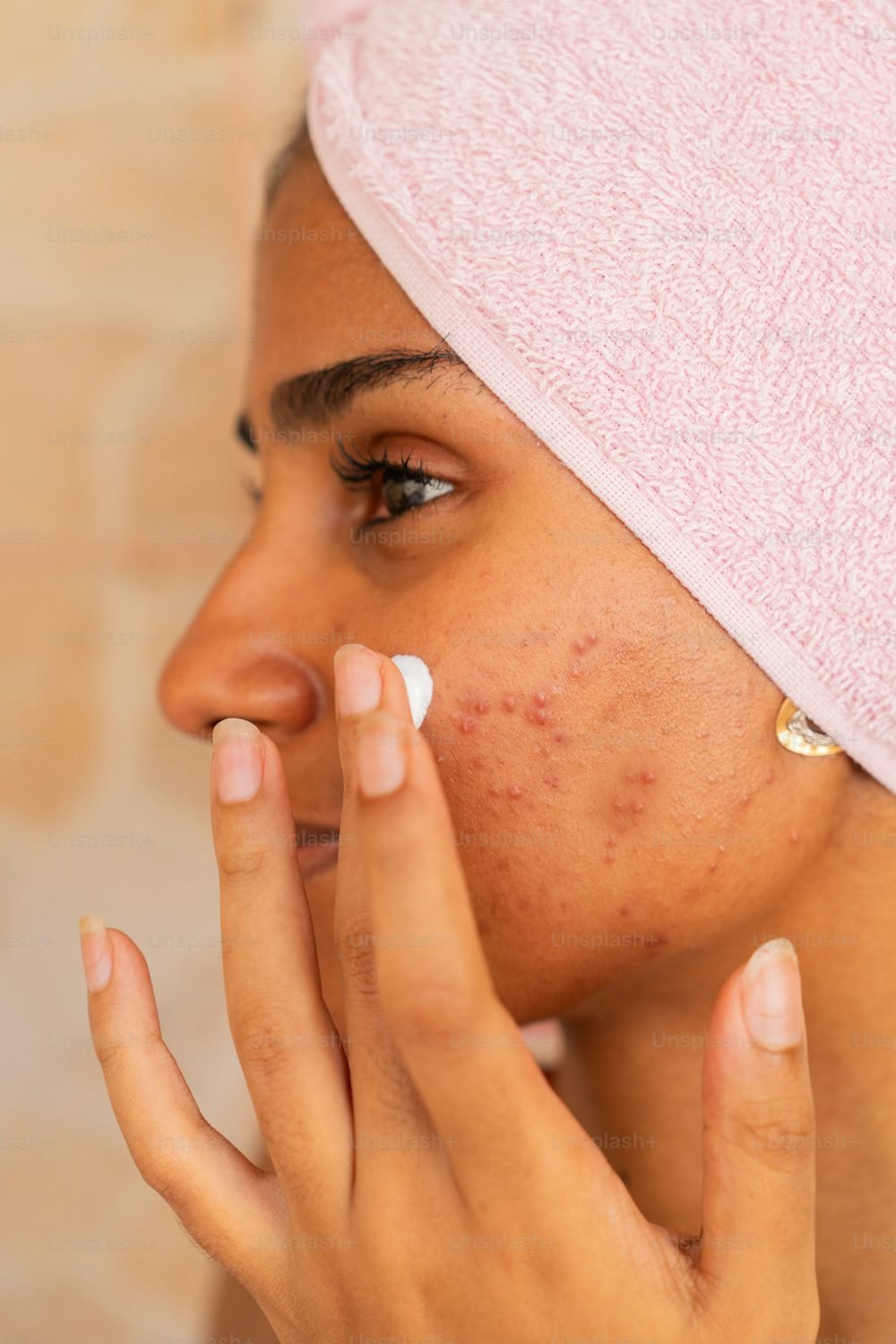
Dealing with unexpected breakouts can feel deeply frustrating, especially when pimples appear consistently despite your best efforts to maintain clean skin. Finding an effective solution often requires looking past surface-level washes and choosing active ingredients that target the root causes of congestion. When you introduce the many salicylic acid benefits into your daily skincare routine, you gain targeted control over blemishes and help restore a balanced, clear complexion.
If you have never used a skincare product containing this popular acne-fighting beta-hydroxy acid, understanding what it achieves can transform your approach to clearing breakouts. Rather than masking skin trouble with heavy makeup or harsh scrubbing, a clarifying exfoliant addresses the cellular blockages that lead to blackheads and whiteheads in the first place.
Why Beta-Hydroxy Chemistry Penetrates Pores Better Than Traditional Acids
Salicylic acid stands apart from traditional water-soluble chemical exfoliants because its unique oil-soluble chemical structure allows it to dissolve sebum and deep-seated pore debris directly.
Many skincare enthusiasts are familiar with alpha-hydroxy acids, such as glycolic or lactic acid. While those water-soluble acids perform well for surface brightening and smoothing dry texture, they cannot penetrate deep inside oil-filled glands. Salicylic acid, categorized as a beta-hydroxy acid, easily slips past surface sebum to reach the lining of pores. This distinct ability to dissolve oily plugs makes salicylic acid uniquely suited for managing acne-prone skin types that struggle with persistent congestion.
Transformative Advantages for Blemish-Prone Complexions
The primary advantages of this clarifying ingredient span deep pore cleansing, gentle exfoliation, inflammation reduction, oil control, and enhanced product absorption.
First, deep pore cleansing remains one of the most celebrated advantages. By breaking down trapped oil and cellular debris, salicylic acid clears out active clogs and stops the blemish formation cycle before pimples can fully surface.
Second, chemical exfoliation occurs as the acid gently loosens the tight cellular bonds connecting dead skin cells to the outer skin layer. This encourages natural shedding without requiring abrasive physical scrubs that can tear delicate skin tissue.
Third, soothing inflamed blemishes is crucial for anyone dealing with painful pustules or cysts. Salicylic acid helps reduce visible redness and swelling around active breakouts, promoting faster healing and greater daily comfort.
Fourth, oil regulation plays a massive role in maintaining long-term skin clarity. Overactive sebaceous glands frequently feed the acne cycle, but regular use of salicylic acid helps keep excessive sebum production balanced.
Fifth, incorporating this beta-hydroxy acid primes your skin to receive other treatments much more effectively. By sweeping away dead buildup, subsequent hydrating serums or specialized spot treatments absorb more deeply into clean skin tissue.
Establishing a Balanced Regimen and Protecting Your Moisture Barrier
Introducing salicylic acid safely requires starting slowly with lower concentrations and pairing your regimen with daily sun protection to prevent irritation.
Because chemical exfoliants actively alter skin turnover rates, jumping straight into daily application can compromise your natural moisture barrier and trigger excessive dryness. Dermatologists generally recommend beginning with a wash-off cleanser or applying a leave-on formula only two or three times a week. Monitoring how your skin responds helps prevent unwanted flaking or stinging.
Additionally, removing dead surface layers naturally increases your skin’s sensitivity to ultraviolet radiation. Applying a broad-spectrum sunscreen every morning is an essential final step when using any exfoliating acid. Selecting suitable product formulations, whether a gentle daily cleanser, a targeted spot gel, or a hydrating toner, depends entirely on your specific skin tolerance and sensitivity levels.
For more insights on handling unexpected challenges in daily life, readers can explore our guide on property and casualty insurance protection.
Common Inquiries Regarding Topical Blemish Management
What percentage of salicylic acid is best for daily use?
Over-the-counter products typically feature concentrations between 0.5% and 2%. Beginners should start with a lower 0.5% or 1% formulation to test skin tolerance before moving up to stronger percentages.
Can salicylic acid cause skin purging?
Yes, accelerated cell turnover can push micro-comedones trapped deep beneath the surface out all at once, leading to a temporary breakout period that usually clears within a few weeks.
Is salicylic acid suitable for sensitive skin?
Sensitive skin types can use salicylic acid, but they should choose gentle, lower-concentration cleansers and limit application to just a couple of times per week to avoid irritation.
Can I use salicylic acid alongside vitamin C?
While possible, layering two strong actives at the exact same time can sometimes cause irritation. Many people prefer using vitamin C in the morning and salicylic acid in the evening.
How long does it take to see results from salicylic acid?
Most individuals notice a reduction in active breakouts and smoother skin texture within four to six weeks of consistent, proper use.
Can salicylic acid be used on the body for back acne?
Yes, body washes containing salicylic acid are exceptionally effective at treating clogged pores and blemishes on the back, chest, and shoulders.
Disclaimer: The information provided in this article is for educational purposes only and should not replace professional medical advice. Skincare needs vary individually, so consult a dermatologist or healthcare provider before introducing new active ingredients or making major changes to your routine.


