

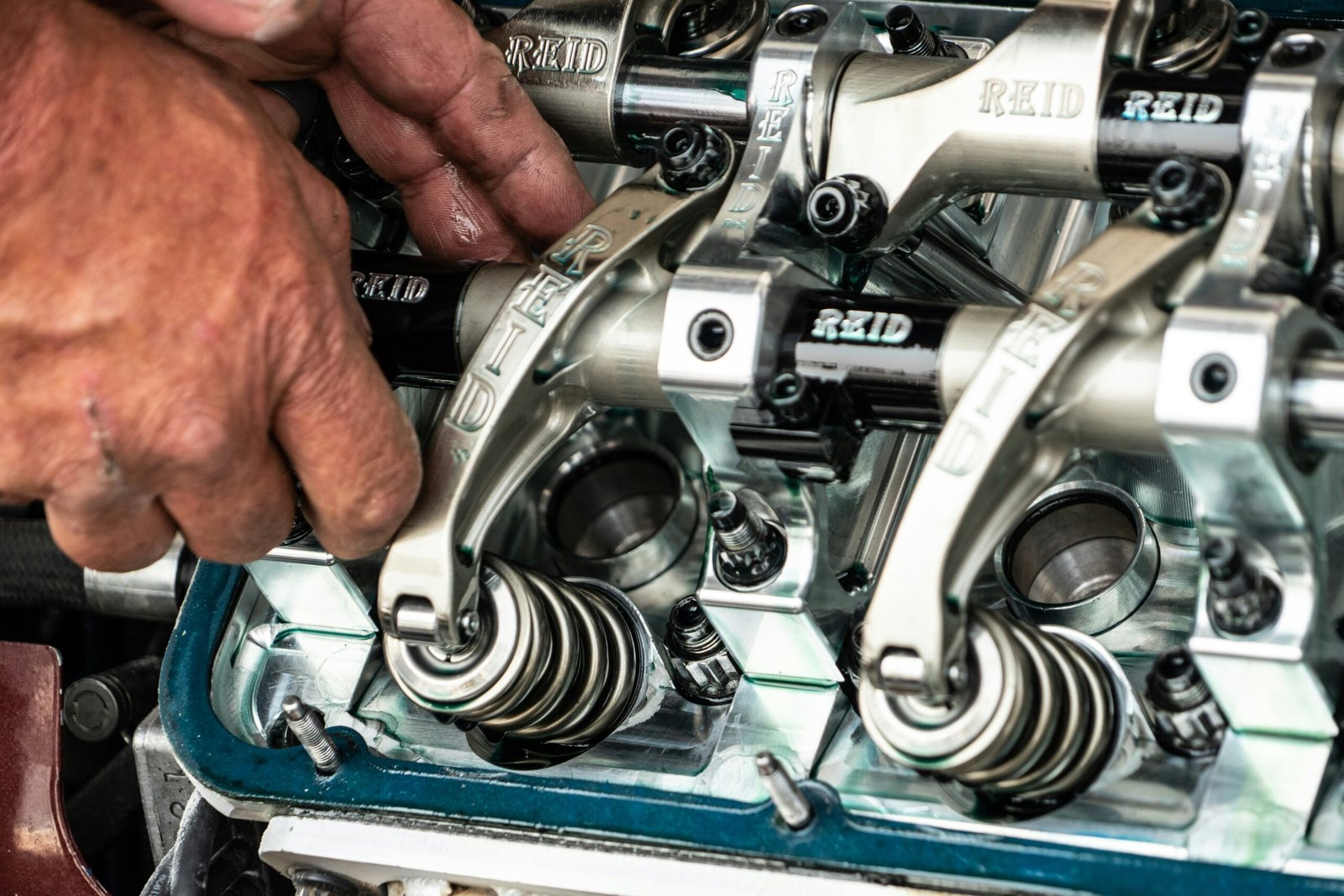
Photo by Mike Newbry on Unsplash
Owning a classic car is more than just possessing an older vehicle; it represents a dedicated commitment to preserving rolling history. Whether your garage houses a vintage Ford Mustang, a chrome-laden Chevrolet Corvette, or a handcrafted Jaguar E-Type, these mechanical treasures require an attentive, hands-on approach that bears little resemblance to servicing modern daily drivers. Because vintage engineering relies on tighter tolerances of a different era and simpler electrical architectures, keeping your investment running reliably demands both mechanical patience and specialized care. Here is your comprehensive guide to classic car maintenance, designed to keep your vintage ride in prime operational order.
Understanding Classic Car Engineering and Parts
Understanding the unique mechanical design and metallurgy of older vehicles forms the foundation of proper classic car upkeep.
Unlike contemporary cars controlled by advanced computers and direct-injection systems, traditional vintage vehicles rely heavily on mechanical carburetors, points-and-condenser ignitions, and non-synchronized gearboxes. These simpler systems require manual adjustment, regular tuning, and a deep appreciation for how thermal expansion affects older metal alloys and casting materials. Before starting any major garage overhaul, consult authentic factory workshop manuals and connect with marque-specific car clubs. Fellow enthusiasts on specialized forums can offer invaluable real-world advice on sourcing correct replacement parts, avoiding counterfeit reproduction components, and diagnosing stubborn ignition or fueling quirks.
Fuel System Protection in the Modern Era
Protecting vintage carburetors and unlined steel fuel tanks from modern ethanol-blended gasoline is essential for preventing catastrophic engine failures.
Contemporary pump fuels commonly feature ten to fifteen percent ethanol content, a solvent compound that readily absorbs atmospheric moisture and accelerates internal corrosion. Because classic fuel systems were engineered decades before ethanol blends existed, this moisture-laden fuel corrodes brass carburetor jets, dissolves older rubber flexible lines, and plugs microscopic fuel filters with varnish deposits. To combat this issue, dedicated classic car owners should consistently add a quality fuel stabilizer whenever the vehicle is parked for more than a few weeks, or seek out ethanol-free fuel where available. Regularly inspecting rubber fuel hoses for weeping or cracking and upgrading to ethanol-resistant hosing will prevent dangerous under-hood fuel leaks.
Routine Mechanical and Fluid Inspections
Routine mechanical inspections serve as the vital frontline defense against unexpected breakdowns and costly component degradation.
Classic car engines and transmissions frequently utilize cork, felt, and early synthetic rope seals that inevitably weep small amounts of fluid over time, making frequent checks non-negotiable. Review the comparison table below to identify primary fluid and mechanical inspection schedules tailored for vintage automobiles.
| Subsystem | Primary Inspection Focus | Recommended Maintenance Interval |
|---|---|---|
| Engine Lubrication | Check oil level and viscosity; verify high-zinc (ZDDP) additive presence for flat-tappet cams. | Every 3,000 miles or annually |
| Braking Mechanics | Inspect drum brake linings, wheel cylinders, rubber flexible lines, and master cylinder fluid. | Every 6 months or before long trips |
| Cooling Circuit | Inspect core condition, radiator cap pressure rating, hose flexibility, and coolant clarity. | Monthly check / flush every 2 years |
| Electrical Storage | Clean terminal corrosion and verify charging voltage, especially on vintage generator setups. | Monthly check / use a smart trickle charger |
Braking systems deserve exceptional scrutiny because many classic models utilize non-assisted drum brakes that demand precise mechanical adjustment and firm pedal pressure to stop effectively. Furthermore, tire management requires balancing historical authenticity against modern safety standards. Many classic cars sit parked for extended periods, making them vulnerable to sidewall dry rot, flat-spotting, and tread separation even when tread depth appears sufficient. Owners must carefully evaluate whether to use authentic bias-ply tires for judged car shows or safer, more predictable radial tire alternatives for everyday street driving.
Body, Paint, and Rust Prevention
Preserving the exterior sheet metal and interior trim requires diligent washing, protective waxing, and careful control of storage humidity.
A classic car’s aesthetic presentation is just as important as its mechanical health, but older paint formulations and unprotected sheet metal are highly susceptible to environmental decay. Regular washing removes abrasive road grime, acidic bird droppings, and industrial fallout that can etch single-stage paints and vintage clear coats. Applying a quality carnauba wax or synthetic polymer sealant every few months establishes a physical barrier against moisture and ultraviolet radiation. Proactive rust prevention is equally vital; inspect hidden areas like rocker panels, floor pans, and wheel arch lips frequently. Treat any early bubbling or surface corrosion immediately with rust-neutralizing chemical converters and appropriate touch-up paint before structural degradation sets in. When storing your vehicle for extended periods, secure a dry, well-ventilated garage environment to protect the delicate leather, vinyl, and wood interior trim from extreme temperature swings.
Maintaining Complete Service Records
Maintaining meticulous written logs of every repair, fluid change, and parts replacement safeguards your automotive investment and simplifies future troubleshooting.
A well-organized paper trail provides clear historical insight into what maintenance work has been completed and what services remain due. Prospective buyers and specialized mechanics appreciate a comprehensive binder containing receipts, part numbers, and chronological mileage records. While broader technological innovations continue to transform modern vehicle engineering, keeping detailed service logs remains a timeless hallmark of a responsible vintage enthusiast. This meticulous record-keeping not only helps diagnose persistent running issues but also commands stronger resale value when you decide to pass your cherished machine to a new custodian.
Frequently Asked Questions
How often should I change the oil in a classic car?
Most classic cars require an oil change every 3,000 to 5,000 miles, or at least once a year if you drive fewer miles annually. Older flat-tappet engines also benefit from specialized oils containing higher levels of zinc (ZDDP) to prevent premature camshaft wear.
Can I use modern gasoline in a vintage car?
While modern gasoline works in most classic engines, the ethanol content can corrode older rubber fuel lines, carburetors, and fiberglass tanks. Using a dedicated fuel stabilizer or seeking out non-ethanol fuel is highly recommended for older vehicles.
How do I prevent rust on a classic car?
Prevent rust by washing away road salt and grime promptly, waxing the paint regularly, and keeping the car in a dry, well-ventilated garage. Inspect hidden areas like the floorboards and undercarriage frequently to catch corrosion early.
Should I use bias-ply or radial tires on my classic car?
Bias-ply tires offer an authentic period-correct appearance for judged car shows, while radial tires provide superior handling, braking grip, and comfort for regular street driving. Choose based on whether your priority is historical accuracy or everyday road safety.
What is the best way to store a classic car for the winter?
Prepare your car for winter storage by washing it thoroughly, changing the oil, filling the fuel tank and adding a fuel stabilizer, and connecting the battery to a smart trickle charger. Using a breathable indoor car cover will protect the finish from dust and moisture.
How do I find the right mechanic for my vintage vehicle?
Look for independent repair shops that specialize specifically in vintage cars, carburetors, or older electrical systems. Recommendations from local classic car clubs and enthusiast forums are often the most reliable way to find trusted expertise.
Disclaimer: Classic car maintenance guidelines can vary widely depending on the specific make, model year, and degree of modification. Readers should verify all technical specifications, fluid requirements, and restoration procedures using official factory workshop manuals and verified professional mechanics before undertaking major repairs.


