

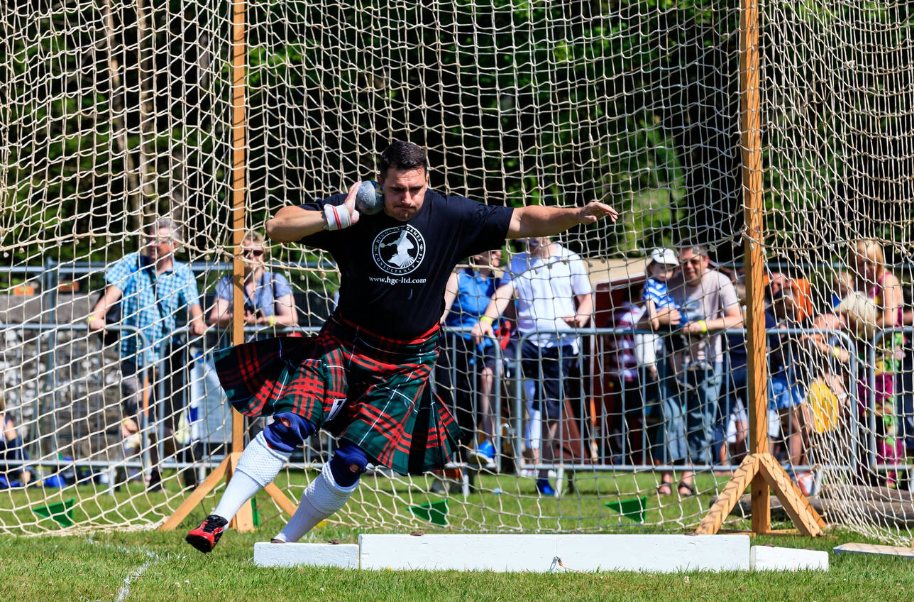
Introduction: Redefining Athletic Attire with the Modern Sports Kilt
A sports kilt is a specialized activewear garment engineered to provide maximum breathability, comfort, and unrestricted leg mobility during high-intensity physical activities. Unlike traditional formal wear, sports kilts utilize lightweight technical fabrics and synthetic blends designed to handle sweat, heavy physical strain, and dynamic motion. Modern athletes often choose these garments as a genuinely practical alternative to standard athletic shorts or trousers. From obstacle course racing to long-distance hiking, sports kilts have evolved into a functional and reliable piece of performance gear.
The Evolution from Traditional Tartan to Athletic Utility
Performance kilts trace their foundational roots back to historical sporting contexts where active Scotsmen required garments that allowed agile movement without the restriction of heavy wool trousers. In traditional Highland games and stick-and-ball sports like shinty, participants needed clothing that offered ventilation and total freedom of movement on foot. Over time, athletes adapted the classic wool tartan into lighter, more durable formats suitable for rigorous physical exertion. This historical shift laid the groundwork for today’s specialized activewear kilts, bridging centuries-old cultural customs with modern sportswear engineering.
Sports Kilts vs. Traditional Kilts: Key Differences Explained
Understanding the core differences between a formal traditional kilt and an athletic sports kilt helps ensure the right choice for specific physical activities. Traditional kilts are typically constructed from heavy wool or acrylic blends intended for formal gatherings, weddings, and cultural ceremonies, complete with heavy pleats and ceremonial accessories. In contrast, sports kilts prioritize moisture management, lightweight construction, and machine-washable convenience. The table below outlines the primary distinctions in materials, weight, and intended use across both garment categories.
| Feature | Traditional Kilt | Sports Kilt |
|---|---|---|
| Primary Fabric | Heavy wool or heavy acrylic tartan | Polyester, cotton blends, or lightweight poly-viscose |
| Weight & Feel | Heavier, structured, and warm | Lightweight, soft, and airy |
| Maintenance | Dry clean only or careful hand washing | Machine washable and quick-drying |
| Primary Use | Weddings, formal events, and cultural festivals | Running, hiking, CrossFit, and obstacle course racing |
Top Performance Features to Look For
Modern sports kilts incorporate technical specifications that cater directly to the needs of active individuals on the move. High-performance fabrics often feature moisture-wicking properties to keep sweat away from the skin during intense workouts, preventing chafing and overheating. Secure waistbands utilizing Velcro closures, heavy-duty snaps, or adjustable buttons ensure the garment stays firmly in place during running, jumping, or climbing. Additionally, many athletic designs include deep utility pockets or integrated cargo storage, allowing athletes to carry essential small items safely without bouncing or impeding their stride.
Best Activities for Wearing a Sports Kilt Today
Athletes frequently wear sports kilts during outdoor endurance events, marathons, obstacle course races, and casual gym training sessions where ventilation and mobility are paramount. Hiking enthusiasts particularly appreciate the airflow and freedom that a sports kilt provides on steep mountain trails, as the open design eliminates leg friction common in tight athletic pants. Furthermore, cultural sporting events, charity fun runs, and rugby matches regularly feature participants wearing athletic kilts to stand out while enjoying maximum physical comfort.
Maintaining and Caring for Your Athletic Kilt
Proper maintenance ensures your sports kilt remains durable and comfortable across hundreds of miles of running or hiking. Because modern athletic kilts utilize synthetic or poly-blend fabrics, they generally do not require specialized dry cleaning and can withstand routine machine washing in cold water. Air drying is typically recommended to preserve the integrity of technical elastic waistbands and snap closures. Storing the garment properly by hanging it up rather than folding it tightly prevents unwanted creasing in the pleats, keeping your athletic gear ready for your next training session.
For more insights on specialized gear and physical conditioning, see our guide on signs you may have a serious sports knee injury.
Frequently Asked Questions
What is a sports kilt made of?
Sports kilts are typically constructed from lightweight synthetic materials such as polyester blends, poly-viscose, or lightweight cotton rather than heavy wool, ensuring quick drying and easy maintenance.
Do sports kilts have pockets?
Yes, most modern sports kilts include functional utility pockets or cargo compartments designed to hold small personal items securely while you are on the move.
Are sports kilts machine washable?
Unlike traditional wool kilts that often require professional dry cleaning, sports kilts are designed for convenience and can generally be washed safely in a standard washing machine.
How do sports kilts stay secure during running?
Sports kilts secure around the waist using adjustable waistbands, heavy-duty snaps, or strong Velcro closures to prevent slipping during high-impact exercises like running and jumping.
Can women wear sports kilts?
Sports kilts are versatile, gender-neutral athletic garments worn by both men and women for running, hiking, and various team sports.
Do you wear anything underneath a sports kilt?
Yes, athletes typically wear standard athletic compression shorts or moisture-wicking underwear beneath a sports kilt for added support and chafing prevention.
Disclaimer
This guide is for informational purposes only. Fabric blends, sizing standards, and care instructions can vary significantly between different kilt manufacturers. Always verify final specifications and sizing charts directly from the official brand before making a purchase.


