
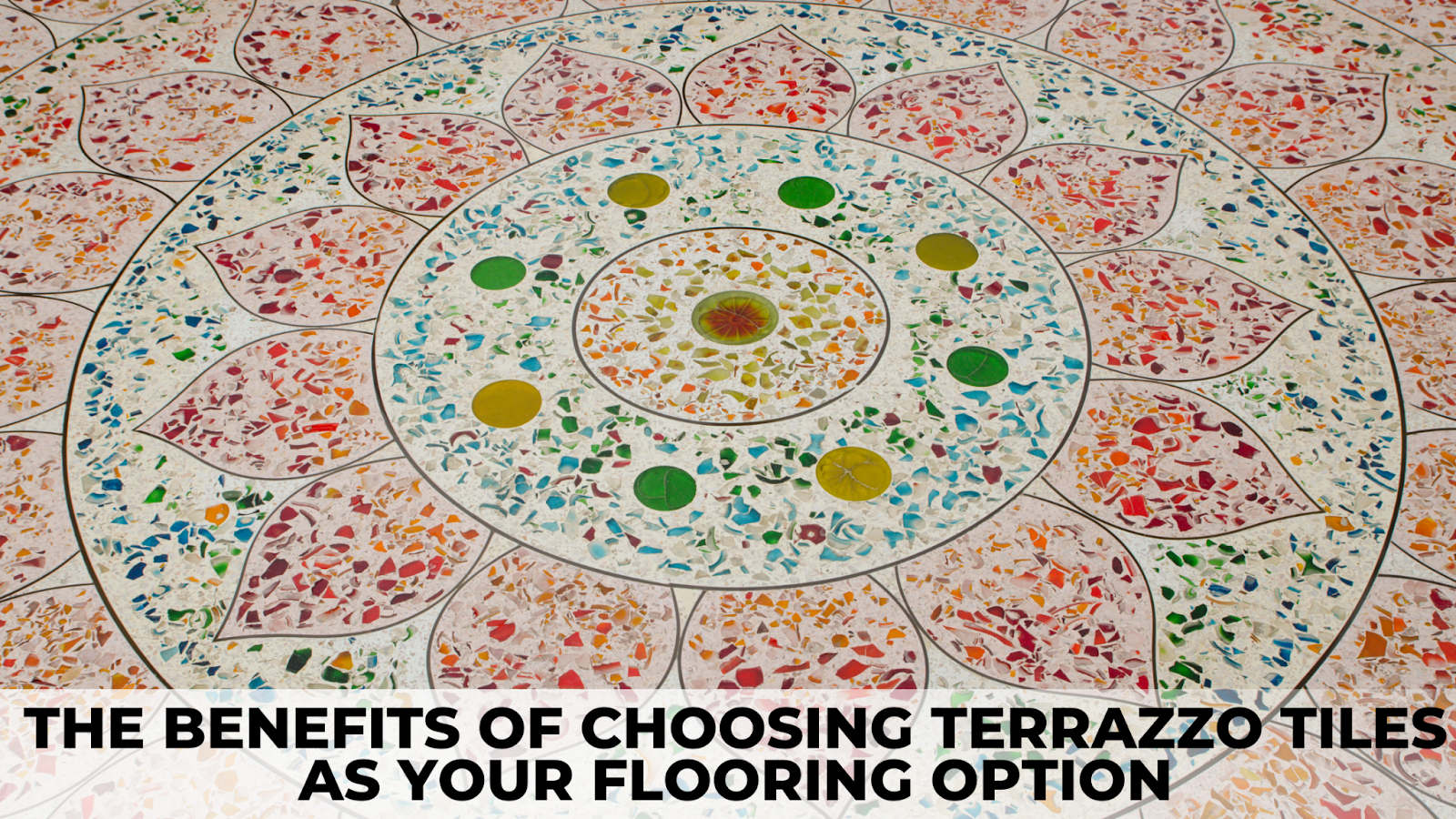
Selecting the right surface material for a demanding residential or commercial renovation requires a careful balance between everyday performance and long-term aesthetic impact. Property owners frequently encounter standard tile or wood solutions that wear down under heavy foot traffic or lose their visual appeal within a decade. Terrazzo tiles provide a time-tested architectural alternative that combines decorative stone chips with robust binding matrices. Understanding how these specialized tiles function across different structural environments helps clarify their unique advantages over conventional flooring choices.
Epoxy Resin Versus Cement Matrices in Terrazzo Tile Fabrication
Terrazzo tiles are fabricated using either a cementitious or epoxy binder that locks marble, quartz, granite, or recycled glass aggregate fragments into a solid, unyielding surface layer. Epoxy-based terrazzo tiles feature thinner profiles, lighter overall weights, and vibrant uniform color palettes, making them ideal for multi-story residential buildings where structural load limits matter. Traditional cement-based terrazzo tiles provide greater thickness and rugged resilience, allowing them to withstand harsh exterior weather conditions and industrial environments without losing their structural integrity.
Withstanding Heavy Commercial Foot Traffic and Mechanical Impacts
Terrazzo tiles absorb intense mechanical impacts and heavy daily foot traffic without suffering premature surface fatigue, cracking, or edge chipping. Commercial entryways, bustling office corridors, and active family kitchens demand surfaces that resist the crushing weight of frequent foot movement and rolling equipment. The dense stone aggregate matrix handles these rigorous demands effortlessly, ensuring that the floor maintains its structural integrity over decades of continuous use.
Tailoring Aggregate Chips and Binder Tints for Bespoke Interior Designs
Terrazzo tiles act as a flexible canvas for interior designers because architects can control every variable from aggregate chip size to background resin tint. Specifiers can arrange intricate geometric patterns, minimalist monochrome fields, or bold multicolored layouts tailored to precise design specifications. Whether a project requires industrial chic aesthetics, mid-century modern flair, or warm organic tones, the custom arrangement of stone pieces achieves seamless visual continuity.
Regulating Indoor Temperatures via Natural Thermal Mass
Terrazzo tiles regulate indoor building temperatures effectively by leveraging natural thermal mass to stay cool during hot weather and retain ambient warmth. When paired with modern underfloor radiant heating systems, these dense stone surfaces distribute thermal energy evenly across the entire room. This efficiency helps stabilize indoor climate conditions while reducing the energy consumption required to heat large living or working spaces.
Eliminating Allergen Reservoirs for Improved Indoor Air Quality
Terrazzo tiles protect indoor air quality by eliminating the hidden reservoirs for dust mites, pet dander, pollen, and mold spores commonly found in wall-to-wall carpets. The completely non-porous, smooth surface prevents microscopic allergens from settling into deep fibers or porous grout lines. This natural barrier makes terrazzo an ideal flooring choice for healthcare facilities, schools, and homes inhabited by allergy sufferers.
Extending Terrazzo Applications Beyond Horizontal Flooring Planes
Terrazzo extends far beyond traditional floor installations to serve as a high-performance material for custom stair treads, wall cladding, kitchen countertops, and seamless shower surrounds. Designers frequently specify matching terrazzo slabs to create unified visual transitions between horizontal and vertical planes throughout a building. This cross-application capability allows for cohesive interior designs that feel structurally connected and visually balanced.
Comparative Performance Analysis Across Popular Materials
Evaluating terrazzo tiles alongside other common flooring choices highlights how different materials perform across core operational metrics.
| Feature | Terrazzo Tiles | Hardwood | Ceramic Tiles | Luxury Vinyl |
| Durability | Extremely high | Moderate | High | Moderate |
| Lifespan | 50+ years | 20-30 years | 15-20 years | 10-15 years |
| Maintenance | Simple damp mop | Specialized wood care | Easy cleaning | Low maintenance |
| Design Options | Virtually limitless | Natural wood tones | Extensive variety | Printed patterns |
| Eco-Friendliness | High recycled content | Renewable harvest | Moderate energy | Synthetic polymers |
| Cost | High upfront | Moderate to high | Varies widely | Budget-friendly |
| Indoor Air Quality | Non-allergenic surface | Good performance | Non-porous surface | Standard emissions |
Balancing Upfront Installation Expenses Against Multi-Decade Savings
Terrazzo tiles require a substantial initial investment in specialized materials and professional installation labor compared to budget vinyl or laminate alternatives. However, this upfront cost is offset over time by the complete absence of replacement expenses and the minimal requirement for intensive repairs. Because the floor can be periodically re-polished to restore its original factory shine, the lifecycle cost drops well below that of short-lived flooring products.
Meeting Green Building Standards Through Recycled Aggregate Content
Terrazzo tiles support sustainable construction practices by incorporating recycled post-consumer glass, discarded marble chips, and locally sourced stone aggregates. The exceptional multi-decade lifespan of the material dramatically reduces landfill waste associated with frequent flooring renovations and short replacement cycles. Additionally, many modern epoxy binders comply with stringent low-VOC emission standards, ensuring a safer building ecosystem during and after installation. For property owners seeking comprehensive green building options, exploring alternative eco-conscious finishes like a sustainable timber alternative for secondary flooring applications complements broader renovation strategies.
Frequently Asked Questions
How long do terrazzo tiles typically last?
Terrazzo tiles easily endure for 50 years or more with routine maintenance and occasional diamond polishing, frequently outlasting the surrounding building structure.
Can terrazzo tiles be installed outdoors?
Yes, specific epoxy or cement-based terrazzo formulations are engineered to withstand exterior weather exposure, freeze-thaw cycles, and heavy outdoor foot traffic.
What happens if a terrazzo tile gets chipped or stained?
Minor surface damage can be seamlessly repaired by a professional technician using matching epoxy fillers, stone dust, and specialized polishing equipment.
Are terrazzo floors slippery when wet?
Polished terrazzo can become slick when wet, but anti-slip chemical sealants and textured matte finishes can be applied to improve traction in high-moisture areas.
Do terrazzo floors require special cleaning equipment?
No heavy machinery is required for everyday upkeep; standard pH-neutral cleaning agents and a soft microfiber mop keep the surface pristine.
Can terrazzo tiles be used with radiant floor heating?
Terrazzo functions exceptionally well with underfloor heating systems due to its high thermal mass, which distributes warmth evenly across the room.
Disclaimer: The details provided in this guide are for informational purposes only. Readers should consult local certified flooring contractors and structural engineers for specific project pricing, weight load limits, and professional installation requirements.

Daniel J. Morgan is the founder of Invidiata Magazine, a premier publication showcasing luxury living, arts, and culture. With a passion for excellence, Daniel has established the magazine as a beacon of sophistication and refinement, captivating discerning audiences worldwide.


