

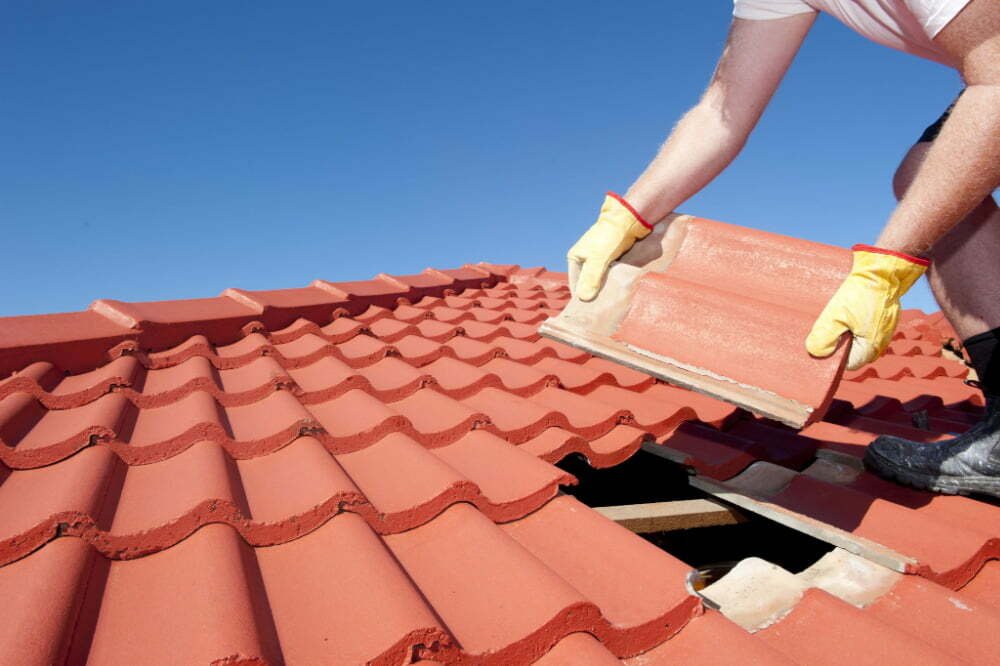
Your home relies on a complex network of protective layers, but few components work as hard as the overhead structure. When weather patterns shift and seasonal storms roll through, your upper protective shield takes the brunt of the impact. While many property owners only think about repairs after a major leak appears, proactive upkeep changes the entire equation. Investing in structured residential roofing services transforms homeownership from a cycle of stressful emergency fixes into a predictable, manageable routine that safeguards your property value.
Understanding how preventative care preserves your overhead investment requires looking closely at material durability, seasonal vulnerabilities, and the specific mechanics of professional roof maintenance.
Why Preventative Care Outperforms Reactive Emergency Repairs
Proactive residential roofing services stop minor weather wear from escalating into severe interior water damage and expensive structural overhauls.
When wind and rain loosen a single valley shingle or crack a rubber pipe boot, the damage rarely stays confined to that exact spot. Water slips underneath the protective layers, soaking wooden decking boards and framing before you ever notice a stain on your living room ceiling. By scheduling routine professional checks, trained technicians identify these hidden entry points early. Stopping a leak when it is still a minor sealant fix saves thousands of dollars compared to waiting until roof trusses begin to rot.
How Material Durability Influences Your Maintenance Schedule
Different roofing systems require specialized upkeep approaches to match the distinct aging patterns of asphalt, metal, or tile materials.
Standard architectural asphalt shingles depend heavily on protective surface granules and balanced attic ventilation to achieve their full twenty-to-thirty-year lifespan. Metal roofs, by contrast, demand careful inspection of exposed fastener seals, seam integrity, and expansion joints to prevent corrosion. Clay and concrete tile systems need periodic checks for cracked mortar and slipped underlayment rather than surface wear. Recognizing these material-specific needs ensures that your maintenance routine actually addresses what your particular roof requires to endure local climate extremes.
The Direct Link Between Roof Upkeep and Household Energy Efficiency
Properly maintained ventilation channels and insulated attic spaces drastically reduce the daily workload on your heating and cooling equipment.
Your roof does more than block rain; it acts as a thermal regulator for the entire house. When exhaust vents clog with debris or intake vents become blocked by insulation, trapped attic heat builds to extreme levels during summer months. This trapped thermal energy radiates downward into your living quarters, forcing your air conditioner to run almost continuously. Routine servicing clears these ventilation pathways, allowing natural air exchange to stabilize indoor temperatures and lower your monthly utility expenses.
Safeguarding Manufacturer Warranties Through Documented Upkeep
Keeping up with professional inspection logs prevents insurance denials and satisfies the strict compliance clauses found in modern shingle warranties.
Many major roofing material manufacturers include clauses in their warranty documentation stating that coverage becomes void if the owner neglects basic upkeep or fails to address documented wear. Having a licensed contractor perform scheduled bi-annual tune-ups provides you with an official paper trail. If a sudden storm damages your roof, having verified maintenance records makes navigating insurance claims and warranty replacements significantly smoother.
What Professional Contractors Evaluate During Bimonthly Site Visits
Experienced roofing specialists inspect critical architectural junctions, including flashing around chimneys, valley transitions, and penetration seals.
A true professional evaluation extends far beyond looking at shingles from the driveway. Technicians walk the surface to test the adhesion of metal flashing around skylights and plumbing vents, where water is most likely to pool. They clear accumulated pine needles and leaves from roof valleys to prevent standing water from rotting the underlying underlayment. They also check the attic interior for early signs of mold, rusted nail heads, or damp insulation fibers that indicate minor exterior leaks.
Balancing Ground-Level Visual Checks With Specialized Contractor Work
Homeowners can safely monitor daily exterior conditions from the ground, but high-altitude structural work requires professional safety gear and expertise.
You can easily spot obvious red flags such as missing shingles, sagging rooflines, or dark algae streaks using binoculars from your lawn. Checking your ground-level gutters also helps you see if excessive granule shedding is clogging your drainage system. However, climbing onto a sloped, slick, or aging roof introduces severe fall hazards and risks fracturing brittle roofing materials. For more guidance on managing domestic routines, you can review regular home maintenance enhances your lifestyle and comfort by minimizing property stress.
Frequently Asked Questions
How frequently should professional roof maintenance be scheduled?
Most roofing professionals recommend scheduling a comprehensive inspection and maintenance visit twice a year, typically in spring and autumn.
Can routine maintenance completely prevent the need for a full roof replacement?
While normal aging will eventually require replacement, routine maintenance stops premature failure caused by trapped moisture, loose flashing, and neglected minor leaks.
Do material manufacturers require proof of professional maintenance for warranties?
Yes, many shingle warranties specify that owners must maintain the roof and address minor flaws promptly to keep their coverage valid.
What are the most common warning signs of hidden roof damage?
Water stains on interior drywall, curled shingle edges, heavy granule accumulation in downspouts, and daylight visible in the attic are major warning signs.
Is it safe for homeowners to perform their own roof inspections?
Ground-level visual checks using binoculars are safe, but walking on a sloped roof should be left to insured professionals to prevent injury.
How does attic ventilation impact overall roof health?
Proper ventilation prevents heat and moisture from building up in the attic, which protects wooden decking from rot and prevents shingles from baking from underneath.
Disclaimer: Roofing material lifespans, local weather impacts, and warranty terms vary widely based on your geographic region and installation quality. Homeowners should verify final service details directly with licensed local roofing contractors.


[…] roof deck. Furthermore, for related home maintenance considerations, homeowners often look into residential roofing maintenance routines to preserve their exterior structures over the long […]