

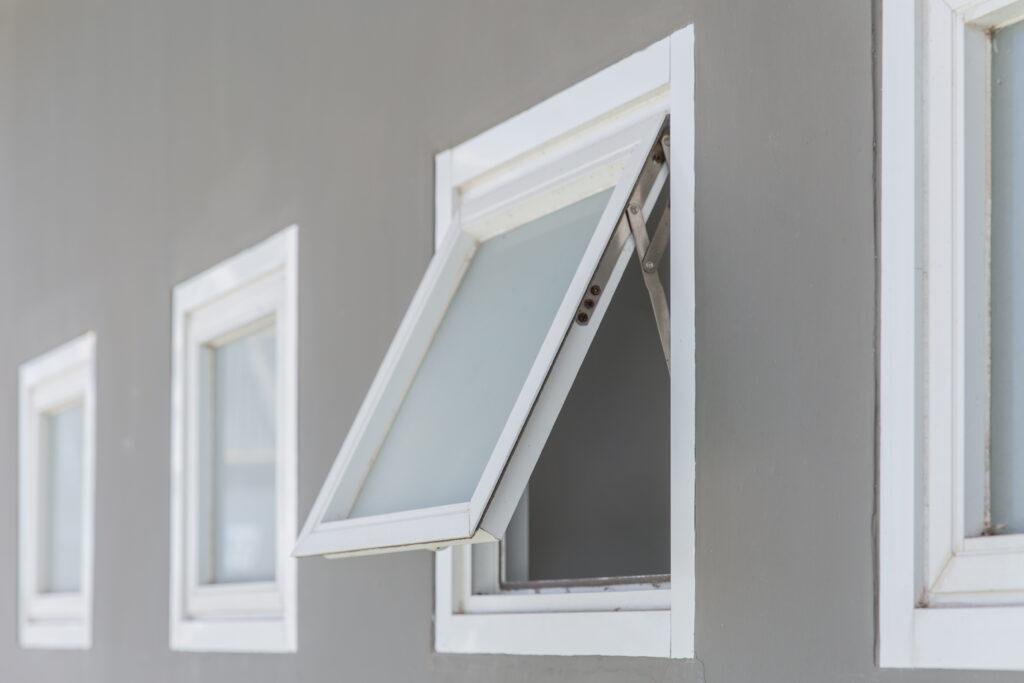
When violent storms approach, protecting a residential property requires looking closely at how exterior glass walls handle severe atmospheric pressure and high-velocity wind loads. Property owners frequently debate whether installing impact-resistant glass provides genuine safety advantages over standard single or double-pane window setups, especially when preparing for unpredictable inland wind events. Understanding the mechanical behavior of these window systems helps clarify why ordinary glass shatters under duress while engineered alternatives maintain structural integrity.
While basic residential glazing handles standard weather exposure, heavy wind events demand specialized defense mechanisms that prevent catastrophic pressure changes inside living spaces. Examining how these products differ in design, resilience, and building code compliance highlights their distinct roles in property protection.
Anatomy of Standard Residential Glass Assemblies
Standard residential windows rely on single or double panes of annealed glass housed in lightweight frames designed primarily for ventilation and natural light.
Most conventional homes utilize standard glass configurations held in place with simple glazing stops and silicone seals. A typical double-pane window encloses a pocket of air or argon gas to slow thermal transfer, reducing heating and cooling costs during mild seasons. However, these basic units possess minimal resistance against physical impacts or rapid pressure fluctuations.
When airborne debris strikes an ordinary glass pane during a severe storm, the material shatters completely into sharp, dangerous shards. This sudden failure opens a direct path for heavy wind currents to flood the interior, frequently causing roof lift-off and wall destabilization.
How Impact-Resistant Window Engineering Works
Impact-resistant windows utilize bonded glass layers and resilient plastic interlayers that absorb severe blows without separating or collapsing.
The core engineering of a hurricane window centers on laminated glass construction, where two panes sandwich a tough inner membrane made of polyvinyl butyral (PVB) or ethylene-vinyl acetate (EVA). If a flying object impacts the exterior surface, the glass may crack into a spiderweb pattern, but the plastic interlayer stretches and anchors the fragments securely.
Alongside specialized laminated glazing, these heavy-duty systems use reinforced aluminum or rigid vinyl frames anchored deeply into concrete masonry or wood framing studs. This robust mounting prevents the entire assembly from bowing or blowing inward under extreme wind loads.
Wind Dynamics: Comparing Tornadoes and Hurricanes
Tornadoes and hurricanes inflict very different mechanical forces upon a house, yet both require reinforced window barriers to maintain airtight building envelopes.
Hurricanes generate wide-area, sustained high-velocity winds that batter structures continuously for hours while hurling dense tree branches and outdoor items. Tornadoes produce extremely concentrated, highly destructive vortex winds characterized by erratic multi-directional pressure changes and extreme projectile velocities over shorter durations.
Despite these differences in duration and scale, both phenomena threaten homes with sudden pressure spikes if windows give way. Keeping the building envelope sealed prevents interior air pressure from expanding upward against roof trusses, minimizing the risk of total structural failure.
Building Code Benchmarks and Missile Impact Tests
Certified impact windows must survive standardized missile impact drills and intense pressure cycling set by governing building authorities.
To verify their strength, impact windows undergo the famous large-missile test, where a laboratory cannon fires a nine-pound two-by-four board at high speeds against the glass. The assembly must absorb the severe blunt force without letting the projectile pierce through to the interior living space.
Following impact testing, the windows endure cyclic air pressure tests that simulate the surging positive and negative vacuums of a major storm system. Organizations such as the American Society for Testing and Materials (ASTM) define these strict performance benchmarks for code-compliant manufacturing.
Financial Realities: Upfront Costs and Insurance Returns
Upgrading to certified impact windows involves significant initial expenses, but long-term savings through insurance reductions and energy efficiency help offset the investment.
Because specialized laminated glass, heavy-duty framing, and professional installation require substantial labor and materials, hurricane windows cost considerably more than standard replacements. However, many insurance providers reward homeowners with sizable annual premium discounts for installing certified wind-mitigation assemblies.
Furthermore, multi-pane insulating layers improve thermal performance, lowering year-round utility consumption. Much like maintaining your home to elevate everyday comfort, investing in durable structural upgrades preserves property value while shielding interiors from devastating storm damage.
Everyday Perks Beyond Severe Weather Defense
Impact-resistant windows provide continuous, daily benefits in noise suppression, ultraviolet filtration, and residential security.
The thick laminate structure functions as an effective acoustic dampener, sharply reducing traffic sounds and neighborhood noise for a quieter indoor atmosphere. Additionally, the interlayer blocks a vast majority of ultraviolet radiation, preventing carpets, window treatments, and furniture from fading due to sun exposure.
For security-minded residents, the tough multi-layered glass acts as a formidable barrier against forced entry and break-ins. Intruders cannot easily smash through the laminated panes, offering constant peace of mind regardless of the season.
Frequently Asked Questions
Do hurricane windows shatter completely when hit by debris?
The outer glass layer can crack upon heavy impact, but the internal PVB or EVA plastic membrane keeps the broken pieces locked together so the window remains sealed.
Can homeowners install impact windows as a DIY project?
Professional installation is strongly advised and frequently mandated by local building codes to ensure the frames are anchored and sealed correctly.
Do impact-resistant windows block ultraviolet light?
Most laminated impact glass configurations filter out a high percentage of ultraviolet radiation, helping protect interior furnishings from sun fading.
How do hurricane windows help lower monthly utility bills?
The multi-layered construction provides superior thermal insulation, stabilizing indoor temperatures and reducing the workload on air conditioning and heating systems.
Are impact windows completely resistant to forced entry?
While they are not completely impenetrable, they make unauthorized break-ins extremely difficult compared to standard residential window glass.
Do insurance companies offer financial incentives for impact windows?
Many property insurers provide reduced homeowner insurance premiums for homes equipped with certified wind-mitigation improvements.
Disclaimer: Building codes, structural requirements, and product certifications vary significantly by region. Homeowners should consult local municipal building authorities and certified installation professionals to verify exact requirements for their specific property.


