

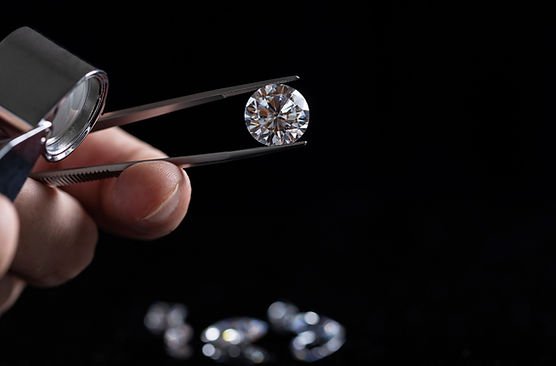
Diamonds have long symbolized commitment and endurance, but today’s buyers care deeply about the moral footprint behind their jewelry. Modern consumers want assurance that their purchases do not finance regional conflicts or cause irreversible environmental harm. Rare Carat addresses these concerns by functioning as an open, transparent marketplace that connects shoppers with verified wholesalers who prioritize accountability. By aggregating stones from vetted suppliers and pairing them with independent grading reports, the platform empowers buyers to make conscious decisions. To explore current inventory and evaluate pricing across various vendors, many shoppers choose to browse verified listings on Rare Carat.
The Hidden Realities of Traditional Earth-Mined Stones
Traditional diamond extraction carries a complex history tied to geopolitical instability and severe ecological degradation.
Historically, stones extracted from certain conflict-affected regions generated revenue used to fund armed insurgencies, earning them the label of blood diamonds. Beyond regional warfare, conventional extraction methods frequently cause massive environmental damage, including deforestation, topsoil erosion, and toxic chemical runoff in local watersheds. As public awareness of these impacts expands, buyers demand verifiable proof that their luxury investments do not contribute to human suffering or planetary harm.
Moving Beyond Basic Kimberley Process Compliance
Standard industry frameworks provide a baseline regulatory check, but conscious consumers today require much deeper corporate due diligence.
The Kimberley Process was launched in 2003 to stem the trade of rough conflict stones through government-backed certification schemes. While it marked a major milestone in international trade regulation, the framework contains notable systemic limitations. The system focuses exclusively on cutting off funds used by rebel groups to overthrow recognized governments, ignoring broader labor rights violations, worker safety, and environmental stewardship. Recognizing these gaps, platforms like Rare Carat look past basic compliance to evaluate the entire supply chain of every listed gemstone.
To understand how marketplace aggregators evaluate market valuation and supply chain integrity, shoppers can also review market trends and data provided by Rare Carat to ensure complete transparency before purchasing.
Rare Carat’s Four Core Sourcing Standards for Conscious Buyers
Rare Carat enforces strict vendor guidelines focused on conflict-free verification, environmental protection, fair labor standards, and supply chain traceability.
1. Conflict-Free Verification Protocols
Every gemstone listed through the marketplace must originate from peaceful regions unaffected by civil war or state-sponsored human rights violations. Suppliers must demonstrate strict adherence to international trade laws and compliance standards. This ensures that every natural diamond on the platform meets rigorous anti-smuggling and conflict-free regulations.
2. Sustainable Mining Partnerships
Environmental stewardship remains a core priority when selecting wholesale partners and mining conglomerates. Rare Carat favors suppliers who utilize responsible extraction techniques designed to minimize land disruption. These practices include reducing carbon emissions, treating wastewater before discharge, and actively funding land reclamation projects once mining operations conclude.
3. Fair Labor Standards and Living Wages
Worker welfare is a critical metric for evaluating responsible supply chains across developing nations. Suppliers partnering with the platform must guarantee safe working conditions, provide fair living wages, and respect collective bargaining rights. Furthermore, these companies often invest heavily in local infrastructure, schools, and healthcare facilities to support mining communities directly.
4. Supply Chain Traceability Mechanisms
Absolute transparency builds consumer trust in an industry historically shrouded in secrecy. Rare Carat provides detailed origin data for available stones, allowing buyers to trace their purchase back to specific countries and cutting facilities.
Assessing Lab-Grown Alternatives for Eco-Conscious Buyers
Lab-grown diamonds offer an increasingly popular, eco-friendly alternative for buyers who want zero mining impact.
Created in controlled laboratory environments using advanced technological processes like HPHT and CVD, these stones are chemically and optically identical to mined diamonds. Because they bypass traditional earth extraction entirely, they eliminate land disruption, heavy machinery emissions, and local community displacement. For environmentally conscious consumers, lab-grown alternatives provide a reliable path to purchasing a certified gemstone without the associated ecological footprint.
Frequently Asked Questions
Are all diamonds on Rare Carat certified?
Yes, every diamond listed on the platform is accompanied by grading reports from reputable independent laboratories such as the GIA or IGI.
Does Rare Carat sell lab-grown diamonds?
The marketplace features a vast inventory of both natural mined diamonds and lab-created stones to accommodate different buyer preferences.
How does Rare Carat verify ethical suppliers?
The platform works exclusively with vetted wholesalers and cutters who comply with international regulations, fair labor laws, and responsible mining practices.
Is the Kimberley Process enough to guarantee ethical sourcing?
While the Kimberley Process prevents conflict diamond trading, it does not cover environmental impact or labor conditions, which is why Rare Carat applies extra oversight.
Can I check the origin of my specific diamond?
Detailed provenance information is provided for many listed stones, helping buyers trace their gemstone’s journey from origin to finished product.
Are lab-grown diamonds more ethical than natural diamonds?
Lab-grown diamonds generally have a much smaller environmental footprint because they eliminate traditional mining risks, though natural diamonds can also be sourced responsibly.
Disclaimer: Diamond sourcing standards and industry certifications may evolve over time. Buyers should verify specific gem details, grading reports, and supplier ethics directly through official platform channels before making a final purchase.


