

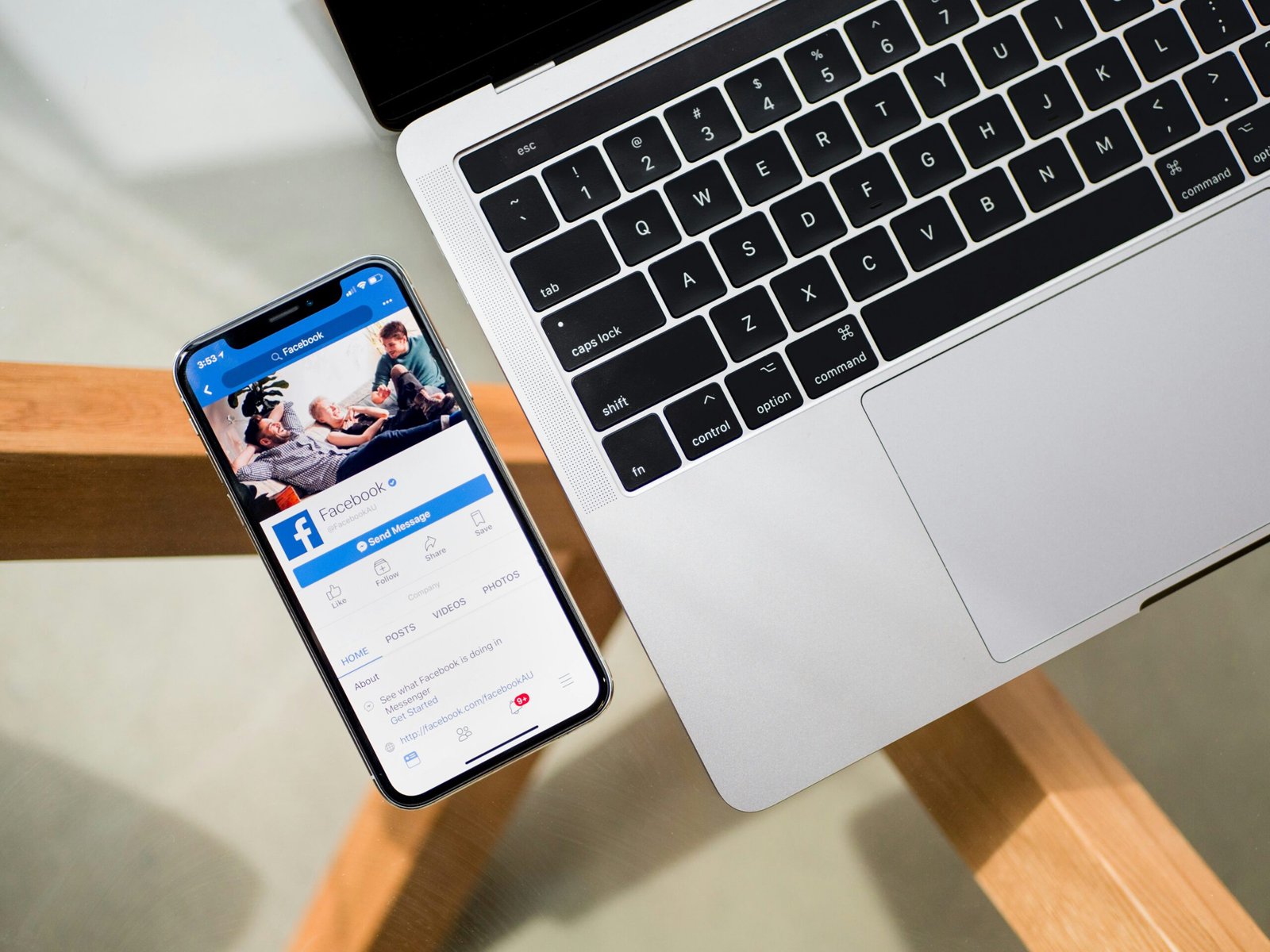
Photo by Timothy Hales Bennett on Unsplash
Why Neighborhood Discoveries Now Start on Algorithm Feeds
Modern consumer habits dictate that independent shops and local service providers must capture attention through dynamic algorithm feeds rather than relying on outdated yellow pages or passive word-of-mouth.
Independent brick-and-mortar storefronts constantly navigate a digital landscape where visibility determines survival. Social media platforms provide a direct line to nearby residents who actively search for neighborhood recommendations. When independent business owners establish an active online presence, they stop waiting for walk-in traffic and instead invite local buyers straight through their doors. Platforms like Facebook and neighborhood-focused groups give community businesses a voice, transforming casual scrollers into loyal, recurring patrons.
Beyond simple brand awareness, maintaining an active digital footprint allows neighborhood stores to showcase their unique identity. People prefer supporting businesses that reflect local values and personality. By sharing daily updates, highlighting staff members, and documenting the craft behind products, owners build an authentic digital persona that traditional advertising flyers can never replicate. This ongoing dialogue creates a foundation of trust essential for long-term neighborhood success.
Selecting the Right Digital Channels for Your Neighborhood Audience
Choosing where to invest limited daily marketing hours requires understanding exactly which apps your specific local customer base checks throughout the day.
Not all digital channels serve independent storefronts equally, making strategic platform selection vital for efficient operations. While Facebook remains useful for hyper-local community groups and event announcements, visual platforms capture attention much faster for retail shops. For instance, why Instagram Reels matter becomes clear when observing how short video clips showcase products in action and drive spontaneous weekend visits. Meanwhile, business-to-business local contractors and service providers find professional networking value on LinkedIn, whereas short-form text platforms help handle immediate customer service questions in real time.
| Social Platform | Ideal Local Business Application | Primary Format |
|---|---|---|
| Community groups, local event promotion, and reviews | Text announcements, event listings, and community photos | |
| Instagram / TikTok | Visual discovery, behind-the-scenes clips, and local trends | Short-form video and high-resolution imagery |
| X (formerly Twitter) | Real-time service updates, urgent news, and customer inquiries | Concise text updates and direct links |
| Local B2B services, professional networking, and recruiting | Professional articles and text updates |
Translating Digital Views into Physical Store Foot Traffic
Turning online interest into real-world cash registers requires publishing practical, community-centered content that speaks directly to everyday local needs.
Traditional advertising methods often demand high budgets with uncertain returns, whereas digital networking offers incredible cost-effectiveness for independent shops. Business owners can target specific geographic radii to ensure their marketing dollars reach people living just miles away. Local cafes and bakeries, for example, frequently use visual storytelling to showcase fresh morning pastries or slow-afternoon specials, enticing nearby workers to step away from their desks.
Implementing a focused promotional approach ensures that every piece of published content serves a distinct operational purpose rather than adding digital noise. When owners highlight limited-edition local merchandise or host weekend community workshops online, they give neighbors a compelling reason to visit the physical store rather than buying from big-box competitors.
Establishing Sustainable Daily Routines Without Burnout
Managing digital channels alongside daily store operations demands a realistic weekly routine that prevents content creation from overwhelming the business owner.
Consistency builds reliability in the eyes of local consumers, but trying to post multiple times every single day leads straight to exhaustion. Successful independent owners typically dedicate a few focused hours each week to batch-create photos, record short video clips, and schedule posts in advance. This organized planning leaves plenty of time during the actual workday to respond promptly to direct messages, answer comments, and greet customers who walk in after seeing an online post.
Tracking the right operational numbers also prevents wasted effort on vanity metrics like follower counts. Local business owners focus their analytical review on actionable indicators, such as profile link clicks, direct appointment bookings, map direction taps, and local hashtag mentions. Understanding which specific posts drive real customer visits allows management to refine future efforts with surgical precision.
Common Pitfalls That Undermine Neighborhood Marketing Efforts
Avoiding recurring strategic errors keeps independent businesses from alienating their core local audience and wasting precious marketing hours.
Over-promotion stands out as a frequent trap where pages turn into digital billboards broadcasting nonstop sales pitches instead of engaging content. Followers quickly tire of relentless selling, which is why balancing promotional flyers with helpful tips, local history stories, and staff spotlights maintains healthier audience interest. Ignoring customer feedback or delaying responses to public reviews can also damage a store’s local reputation, making prompt and polite customer service vital across every digital touchpoint.
Frequently Asked Questions
How many hours per week should an owner spend on social media?
Most independent business owners achieve consistent results by investing three to five weekly hours into planning, filming, and scheduling content.
Are paid ads mandatory for local storefront visibility?
Paid advertisements are not required to begin, though small targeted budget boosts help accelerate reach when launching special local events.
Which platform works best for a local retail boutique?
Instagram and Facebook typically deliver the strongest retail results because visual product showcases and check-in features inspire physical visits.
How should negative online feedback be handled?
Business owners should address negative comments calmly and professionally in public before moving the conversation to direct messages to find a solution.
Is it smart to publish identical content across every platform?
Cross-posting saves time, but adjusting the caption style and video length to fit each unique app yields significantly better local engagement.
Which online metrics matter most for storefronts?
Map directions requests, direct messaging inquiries, and profile link clicks matter far more for local growth than total follower numbers.
Disclaimer: Social media platform features and algorithmic rules change frequently. Local business owners should verify operational guidelines directly from official platform sources before committing to major advertising budgets.


