

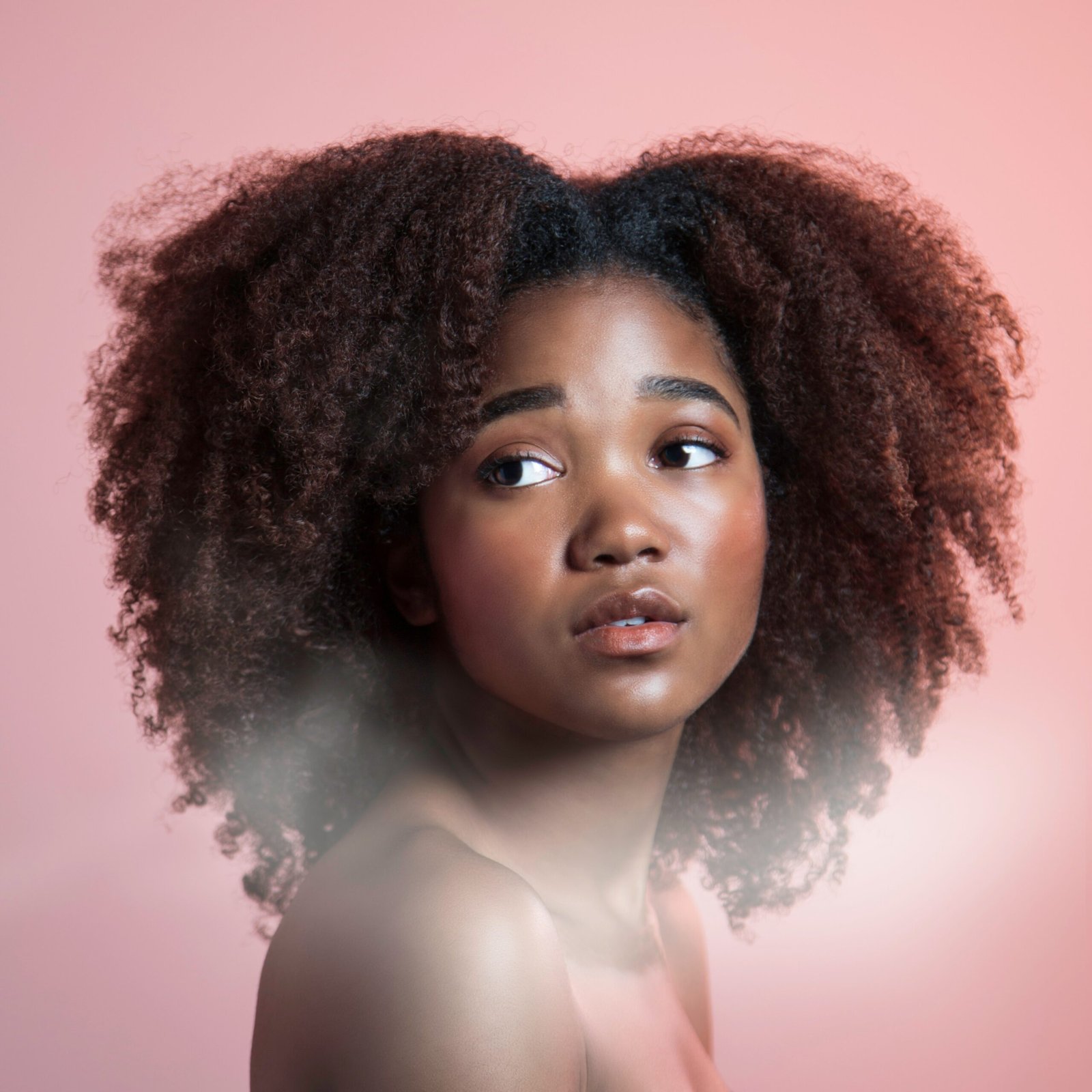
Clip in extensions offer a simple way to transform your hairstyle instantly without any permanent commitment. These temporary pieces allow for creative expression and bring remarkable versatility to your look. Whether you are completely new to hair styling or already familiar with extensions, clip in extensions open up endless styling possibilities.
Understanding the details of hair materials, correct application methods, and proper maintenance routines ensures your clip in extensions look natural and last a long time. This guide covers everything you need to know about choosing, blending, and caring for temporary hair enhancements.
Choosing 100% Remy Human Hair Versus Synthetic Clip In Wefts
Human hair clip in extensions provide the most natural look, feel, and styling versatility compared to synthetic alternatives.
When shopping for clip in extensions, you will generally encounter two primary material choices: 100% Remy human hair and synthetic fibers. Remy human hair means that all the cuticles run in the same direction from root to tip, which drastically reduces tangling and matting. Human hair clip in extensions can be washed, blow-dried, curled, and straightened just like your natural hair using heated styling tools.
Synthetic clip in extensions, on the other hand, are made from manufactured polymer fibers. While synthetic sets are typically much cheaper upfront, they have severe limitations. Most synthetic fibers cannot handle heat styling, meaning you cannot use a curling iron or flat iron on them. They also tangle easily and have a much shorter lifespan than human hair. If you plan to wear your extensions frequently or style them in different ways, investing in human hair is almost always the better choice.
Selecting the Correct Gram Weight and Piece Count for Your Density
Choosing the correct gram weight and piece count for your clip in extensions ensures they blend seamlessly with your natural hair density.
Hair extensions are sold by weight, usually measured in grams. A standard set ranges from 100 grams to 220 grams or more. If you have fine or thin hair, a lighter set around 100 to 120 grams works best because heavier sets can weigh down your roots and cause discomfort. If you have thick hair or a blunt haircut, you will need a heavier set between 160 and 220 grams to ensure the ends look full and even rather than sparse.
Piece count also matters significantly. A typical full-head set includes anywhere from 7 to 10 individual wefts of varying widths. Wider wefts with four clips go at the back of the head where hair density is greatest, while smaller wefts with one or two clips are placed near the temples and sides of the head for framing and blending.
| Hair Density / Type | Recommended Gram Weight | Best Piece Configuration |
|---|---|---|
| Fine / Thin Hair | 100g – 120g | 5 to 7 pieces (lighter wefts) |
| Medium / Normal Hair | 140g – 160g | 7 to 8 standard pieces |
| Thick / Coarse Hair | 180g – 220g+ | 8 to 10 wide wefts |
Mastering Sectioning Techniques for Invisible Clip-In Blending
Blending clip in extensions successfully requires strategic sectioning, color matching, and joint styling with your natural hair.
Start by brushing your natural hair to remove any tangles. Create a clean horizontal parting near the nape of your neck, clipping the rest of your hair up and out of the way. Tease the root area slightly right below the parting to create a secure anchor for the clips. Snap the clips securely onto the teased section, making sure the weft lies flat against your scalp.
Repeat this process as you move upward, placing wider wefts across the back of your head and narrower wefts near the sides above your ears. Avoid placing wefts too high near your crown or too close to your hairline, as visible clips ruin the illusion. Once all pieces are secured, run a brush through your hair to blend the strands together, and style both your natural hair and the extensions simultaneously.
Establishing Washing and Storage Routines to Prevent Tangle Matting
Proper daily care and correct storage methods significantly extend the lifespan of human hair clip in extensions.
Unlike permanent hair extensions that receive natural oils from your scalp, clip in extensions do not produce sebum. Because of this, they dry out faster and require regular hydration. Wash your clip in extensions every 10 to 20 wears, or whenever product buildup becomes noticeable. Use a sulfate-free shampoo and a nourishing conditioner, washing gently in lukewarm water without scrubbing or twisting the hair.
After washing, lay the wefts flat on a towel to air dry completely before storing them. Never brush wet extensions aggressively. When you are not wearing them, store clip in extensions in a hanging garment bag or a dedicated storage box to keep them tangle-free and dust-free.
Preventing Traction Alopecia and Root Stress From Weft Clips
Following essential safety guidelines prevents hair damage and keeps your extensions looking pristine over time.
Do choose seamless clip in extensions if your natural hair is exceptionally fine, as silicone-based wefts lie much flatter against the scalp than traditional lace wefts. Do apply a heat protectant spray before using flat irons or curling wands on human hair sets. Do remove your extensions before going to sleep or swimming.
Don’t wear your extensions too tightly, as excessive tension on the roots can cause breakage and traction alopecia. Don’t bleach or lighten dark human hair extensions yourself at home, because chemical processing can easily ruin the cuticle structure. If you need to change their color, take them to a professional stylist or buy a lighter shade initially.
Frequently Asked Questions
Can you sleep with clip in extensions in your hair?
Sleeping in clip in extensions is strongly discouraged because friction from your pillow can cause severe tangling, matting, and pulling at your natural roots.
How long do high-quality human hair clip in extensions last?
With proper care, gentle washing, and regular conditioning, quality Remy human hair clip in extensions typically last anywhere from six months to over a year.
Can you swim or shower while wearing clip in extensions?
You should never swim or shower with clip in extensions attached, as chlorinated water, saltwater, and excess moisture will damage the hair and weaken the clips.
How do you wash clip in extensions properly?
Fill a basin with lukewarm water, mix in a small amount of sulfate-free shampoo, submerge the wefts gently, and rinse downward from top to ends without rubbing.
Do clip in extensions damage your natural hair?
Clip in extensions are considered one of the safest hair enhancement methods because they do not use glue, tape, or beads, provided they are not attached too tightly.
Can you dye clip in extensions a different color?
You can dye human hair clip in extensions darker, but bleaching them lighter is risky and can permanently damage the hair integrity.
What should you look for when buying clip in extensions online?
Look for clear specifications regarding material type, exact gram weight, total piece count, and trusted return policies to ensure you receive genuine human hair.
For individuals exploring broader appearance-related options or contemplating surgical aesthetic choices, our guide on surgical aesthetic options and preparation offers additional insights. Always verify final product details, return guidelines, and material certifications directly from official manufacturer sources before making a purchase.


