

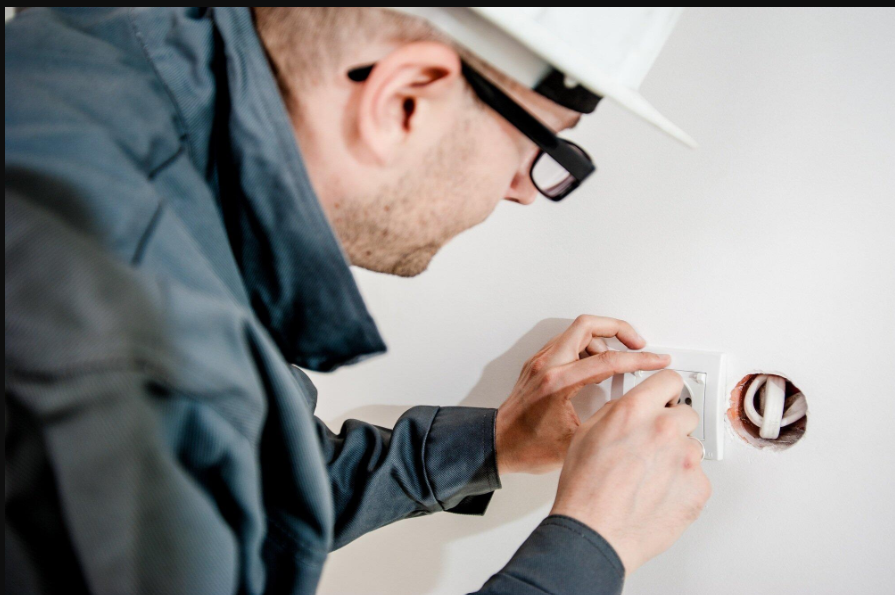
Residential electrical systems operate under constant stress, powering everything from heavy HVAC compressors and kitchen appliances to delicate smart home hubs and electric vehicle chargers. Because electricity carries inherent hazards like arc flashes and invisible wiring faults, handling household electrical projects without professional training creates severe personal and structural risks. Working with licensed residential electrician services ensures that your home’s electrical grid remains safe, dependable, and compliant with current building codes.
Attempting to perform electrical installations or panel troubleshooting as a do-it-yourself project frequently results in dangerous code violations, ruined appliances, or hidden fire hazards behind your drywall. Certified electricians bring rigorous technical training, specialized diagnostic gear, and practical field experience to every residential service call. Exploring why professional electrical interventions are indispensable helps homeowners protect their families and maintain long-term property value.
Navigating Complex Residential Electrical Codes and Permitting Laws
Certified residential electricians possess the regulatory knowledge required to ensure all wiring modifications comply with strict national and local electrical codes. Electrical standards undergo regular revisions to incorporate new safety thresholds for grounding, arc-fault circuit interrupters, and dedicated high-voltage appliance circuits. Without professional guidance, DIY modifications often violate municipal laws, which can trigger costly fines or complicate future property sales when home inspectors flag unpermitted work.
Beyond mere paperwork, adherence to official codes guarantees that your electrical infrastructure can safely handle contemporary power demands without overheating. Licensed professionals understand how to calculate total household load requirements, preventing overloaded circuits and tripped breakers before they develop into dangerous situations. They also manage the municipal permit acquisition process from start to finish, ensuring that your installation undergoes proper official review and approval.
Mitigating Fire Risks and Preventing Hidden Wiring Failures
Professional residential electrician services deliver the precision craftsmanship necessary to eliminate common household fire hazards associated with faulty wiring or loose connections. Electrical fires often originate from deteriorated wire insulation, undersized conductors, or improper outlet installations hidden deep inside wall cavities. When an experienced electrician installs switches, fixtures, or breaker sub-panels, they verify that every connection maintains proper torque and thermal stability.
Furthermore, professional technicians conduct thorough system diagnostics to uncover dormant faults that amateur inspections easily overlook. Identifying micro-frays in wiring or corrosion within older service panels protects your household from sudden short circuits and catastrophic power surges. Investing in skilled electrical labor secures peace of mind, knowing that your home’s hidden infrastructure meets the highest possible safety benchmarks.
Integrating Modern Smart Tech and Electric Vehicle Charging Stations
Licensed residential electricians specialize in upgrading aging electrical panels to support modern energy-hungry technologies like electric vehicle chargers and home automation systems. Many older residential properties operate on 60-amp or 100-amp electrical services that simply cannot accommodate the continuous electrical draw demanded by modern appliances and vehicle charging ports. Bringing in a qualified contractor allows homeowners to safely upgrade their main service panels and run dedicated heavy-duty circuits.
Installing sophisticated smart home lighting, automated thermostats, and whole-house surge protection devices also requires specialized wiring configurations that standard DIY methods cannot safely accomplish. Professional electricians calibrate these advanced integrations carefully, ensuring that your home’s distribution board balances power efficiently across all connected micro-systems without risking equipment damage.
Preventing Expensive DIY Mistakes and Streamlining Project Timelines
Hiring a certified technician protects homeowners from costly troubleshooting errors and the steep financial burden of correcting failed amateur wiring attempts. When an untrained individual attempts to replace a breaker or wire a new room addition, minor miscalculations can instantly fry expensive electronics or require tearing out finished drywall to fix crossed wires. Partnering with a professional from the outset guarantees that the work gets completed accurately and efficiently on the very first try.
Property owners juggling demanding careers and family obligations rarely have spare weekends to dedicate to complex electrical diagnostics, wire pulling, and hardware store runs. Entrusting these technical demands to licensed professionals saves valuable personal time while keeping your household routine uninterrupted. For broader property upkeep considerations, many homeowners also look into professional property management support to keep their overall real estate investments running smoothly and safely.
Frequently Asked Questions About Residential Electrician Services
What are the primary signs that my home requires a professional electrical panel upgrade?
Frequent breaker trips, flickering lights when appliances turn on, warm service panel doors, and the presence of an outdated fuse box indicate an urgent need for an electrical panel upgrade.
Can I install a smart thermostat or smart switches without hiring an electrician?
While some basic smart devices operate on low voltage, switches requiring direct line voltage connections or neutral wires should be handled by a professional to prevent shock or short circuits.
Why do professional electricians use thermal imaging during inspections?
Thermal imaging cameras detect hidden hot spots caused by overloaded circuits, loose connections, or failing breakers before those issues ignite electrical fires.
Are DIY electrical repairs covered under standard homeowner insurance policies?
Insurance companies frequently deny claims for property damage caused by unpermitted or DIY electrical work because such projects violate basic safety warranties.
How frequently should an older residential home undergo an electrical safety inspection?
Homes older than forty years, or properties undergoing major renovations, should receive comprehensive professional electrical inspections every three to five years.
What differentiates a handyman from a licensed residential electrician?
Licensed electricians complete thousands of hours of rigorous technical apprenticeship, passing stringent state board exams covering complex wiring physics and local municipal codes.
Disclaimer: Electrical regulations and permitting protocols vary significantly by geographic region. Homeowners should always verify contractor licensing, insurance credentials, and local building codes with official municipal authorities before starting any electrical project.


