

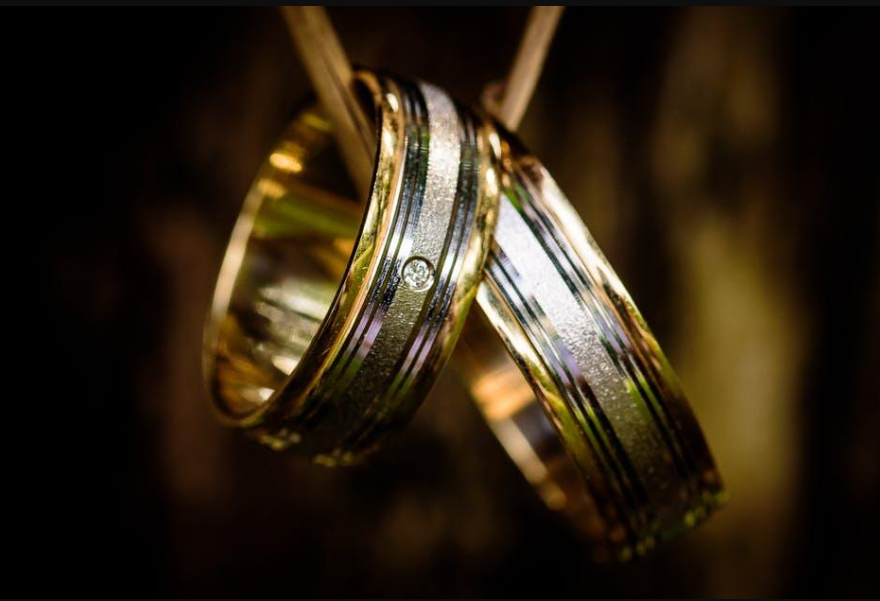
When planning a wedding, choosing the ring often feels like a minor detail until you stand in front of the jeweler’s display case and realize how many physical materials exist. Modern couples frequently debate between high-strength tungsten wedding bands and time-tested traditional metals like yellow gold, white gold, sterling silver, and platinum. Every metal behaves differently on the finger over decades of daily wear, sleeping, working, and hand-washing. Understanding these mechanical and aesthetic properties ensures you select a ring that matches your life rather than just your immediate visual taste.
Understanding Tungsten Wedding Bands
Tungsten wedding bands are crafted from tungsten carbide, which fuses carbon and tungsten powder under immense pressure and heat to create a remarkably dense material. This industrial-grade composition delivers an exceptional level of surface hardness that completely redefines everyday jewelry resilience. While precious metals yield easily to pressure, tungsten carbide resists scratching from almost every common household element, including steel tools, kitchen counters, and masonry. That permanent polish appeals strongly to individuals who work with their hands or want a low-maintenance band that never requires professional buffing.
The Reality of Traditional Metals
Traditional metals like gold, silver, and platinum have anchored marital traditions for centuries because they offer warmth, malleability, and deep historical symbolism. Gold comes in multiple alloy variations like yellow, white, and rose, allowing it to complement diverse skin undertones and coordinate seamlessly with other jewelry collections. Platinum provides a dense, naturally white metal finish that develops a soft, velvety patina over the years rather than wearing away. Unlike industrial alternatives, these traditional metals carry intrinsic material value and can be passed down through family generations as authentic heirlooms.
Durability and Scratch Resistance Compared
Daily life exposes wedding rings to constant friction, impacts, and chemical exposure that test the structural limits of any metal composition. A clear comparison helps illustrate how these materials perform under real-world pressure.
| Performance Metric | Tungsten Wedding Bands | Traditional Gold & Platinum |
|---|---|---|
| Scratch Resistance | Virtually impervious to everyday scratches | Susceptible to surface scuffs and scratches |
| Resizing Flexibility | Impossible to resize due to extreme hardness | Easily resized up or down by a jeweler |
| Impact Behavior | Brittle; shatters under severe point impact | Malleable; bends or dents under harsh pressure |
| Financial Investment | Low cost, highly accessible price point | High cost tied to fluctuating precious metal markets |
Weight, Comfort, and Everyday Feel
The physical sensation of wearing a ring varies dramatically depending on whether you choose a dense industrial compound or a malleable precious metal. Tungsten wedding bands feature a noticeable heft and solid weight that many wearers find comforting and substantial on the hand. Traditional gold and silver bands often feel lighter and less intrusive, making them easier to adjust to for individuals who are not accustomed to wearing hand jewelry. Trying on different band widths and weights at a local jewelry store remains the best way to determine your personal comfort threshold.
The Hidden Downsides: Resizing and Emergency Removal
Choosing a wedding band involves practical safety realities that go far beyond aesthetic preference and initial purchase price. Because tungsten carbide is too hard for traditional jeweler’s saws or torches, tungsten wedding bands cannot be resized if your finger dimensions shift over time. Furthermore, in the event of an emergency hand injury involving severe swelling, standard hospital ring cutters will break rather than slice through a tungsten band; medical staff must instead use locking vise-grip pliers to shatter the ring safely. Traditional gold and platinum rings avoid these specific emergency complications because their malleable metal can be easily cut or stretched.
Price and Value Breakdown
Budget considerations often guide couples toward alternative materials when wedding expenses begin to accumulate across catering, venues, and attire. Raw tungsten is abundant and inexpensive to process, allowing manufacturers to sell tungsten wedding bands at a fraction of the cost of precious metals. Gold and platinum carry market-driven precious metal valuations that reflect their scarcity and long-term resale potential. If you like to coordinate your overall wedding day presentation down to the finer details, you might also explore styling ideas similar to choosing the right tie color for a grey suit when planning complementary attire.
Style Options and Hybrid Designs
Modern jewelry fabrication has expanded far beyond plain metallic bands to offer incredible stylistic variety across both categories. Tungsten wedding bands frequently feature brushed finishes, polished bevels, grooved accents, or rich inlays made of wood, carbon fiber, or gold. Traditional metals accommodate intricate hand-engraving, milgrain detailing, and classic solitaire gemstone settings. Whether you prefer a sleek, contemporary aesthetic or an ornate, timeless pattern, both material families provide extensive customization choices to match your personal expression.
Verdict: Which Is Right for You?
Deciding between modern industrial rings and classic heirloom options ultimately depends on your daily routines, long-term expectations, and comfort preferences. Active professionals, mechanics, and outdoor enthusiasts often benefit most from the scratch-proof resilience of tungsten. Traditionalists who value resizing flexibility, heirloom sentiment, and malleable precious metals will find gold or platinum much more aligned with their lifestyle. Take time to evaluate how your ring will interact with your daily career, hobbies, and personal philosophy before making your final selection.
Frequently Asked Questions
Can tungsten wedding bands be scratched during normal wear?
Tungsten carbide is extremely scratch-resistant and will not show marks from everyday activities, though industrial diamond dust or specialized corundum tools can theoretically scratch it.
Why is it impossible to resize tungsten rings?
The extreme hardness and brittleness of tungsten prevent jewelers from cutting, soldering, or stretching the metal, meaning you must buy a replacement ring if your size changes.
Are tungsten rings safe to wear during heavy manual labor?
Their high scratch resistance makes them very popular for active work environments, but wearers should be mindful of emergency removal protocols in case of finger trauma.
Do tungsten wedding bands trigger skin sensitivities?
Some manufacturing processes use nickel as a binder alloy, which can cause contact dermatitis for sensitive skin, so buyers should specifically seek out nickel-free hypoallergenic options.
How do tungsten prices compare to traditional gold?
Tungsten bands are significantly cheaper than gold or platinum because raw tungsten is widely available and requires less costly refining processes.
Can a tungsten ring crack or shatter if dropped?
Because tungsten is brittle rather than malleable, striking a hard surface with extreme perpendicular force can cause the ring to fracture or crack instead of bending.
Disclaimer: Jewelry manufacturing specifications, alloy binders, and retailer pricing structures can change over time. Readers should always verify final product warranties and return terms directly with authorized jewelers prior to purchase.


