

The United States features diverse landscapes ranging from sweeping coastal beaches to rugged mountain ranges. What truly defines many of these regions are their vibrant cities, each maintaining a distinct cultural heartbeat and daily rhythm. One standout city is Los Angeles, widely recognized as the entertainment capital of the country. This sprawling metropolis has attracted residents and visitors alike through its cultural influence, creative energy, and endless lifestyle options.
Deciding to relocate to Los Angeles or planning an extended visit requires understanding how the city operates beyond its glamorous reputation. Exploring this destination successfully involves examining regional layouts, practical transit considerations, and local neighborhood dynamics that shape day-to-day routines.
Decoding the Sprawling Geography and Distinct Districts of Los Angeles
Los Angeles is organized as a vast, multi-centered metropolis where daily experiences change dramatically depending on the specific neighborhood you inhabit.
Unlike compact cities that center around a single downtown core, Los Angeles functions as a constellation of distinct districts and surrounding municipalities. Downtown Los Angeles serves as a dense commercial hub featuring high-rise residential towers, historic architecture, and major cultural institutions like Grand Central Market and The Last Bookstore. Moving westward brings residents toward the Westside, where coastal proximity influences a more relaxed pace centered around neighborhoods like Santa Monica, Venice, and Westwood. Meanwhile, the Eastside embraces an independent artistic identity with neighborhoods like Silver Lake and Echo Park, known for community gathering spots such as Echo Park Lake. Finally, the San Fernando Valley offers a more suburban rhythm while maintaining its own distinct dining and commercial centers.
Landmarks and Cultural Institutions Shaping the Skyline
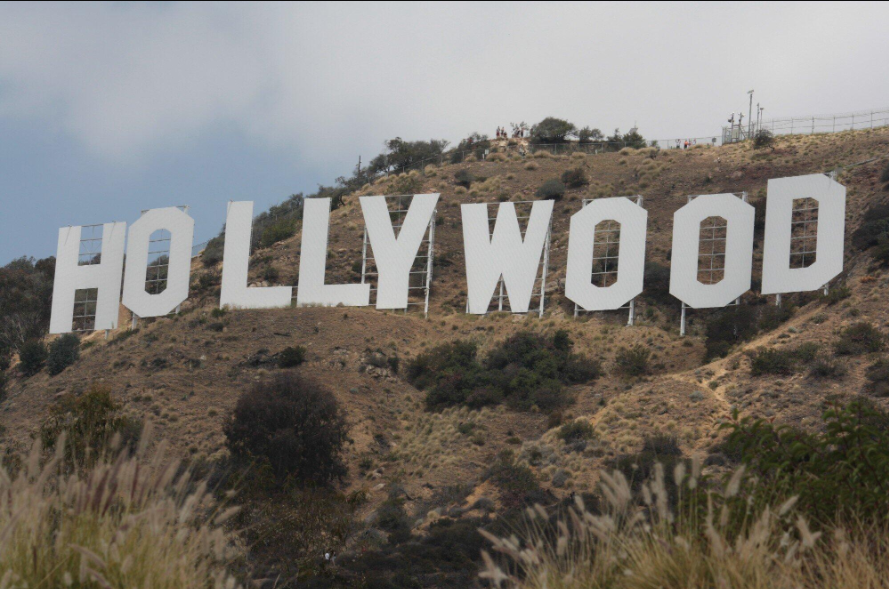
No exploration of Los Angeles is complete without acknowledging the historic landmarks that define its skyline and cultural heritage. The Hollywood Sign remains visible from various vantage points across the basin, with the Griffith Observatory providing both an educational science center and an unmatched panoramic view of the urban sprawl. For art enthusiasts, institutions like The Getty Center offer expansive collections paired with meticulously designed gardens overlooking the city.
Navigating Transit Realities Versus Traditional Car Culture
Navigating urban living in Los Angeles requires balancing the realities of traditional car culture with an expanding public rail and bus network.
While driving remains the primary method for crossing large geographic distances between different regions of the county, traffic congestion during peak hours is a daily reality that shapes travel planning. At the same time, the Los Angeles County Metropolitan Transportation Authority continues to expand its rail infrastructure, including the Metro A, B, C, D, E, and K lines, as well as the Regional Connector project that links previously separated rail routes. Utilizing these transit options can significantly reduce commute times within specific corridors, particularly between Downtown, Koreatown, and Santa Monica, allowing residents to bypass street-level traffic entirely.
Practical Commuting Strategies for Daily Life
Successfully managing transportation in the city involves combining multiple methods depending on your destination. Many residents living in dense urban cores rely on rideshare services, bicycles, and walking for short neighborhood trips, saving vehicle use for weekend excursions or cross-region travel.
Embracing Local Food Scenes, Micro-Climates, and Outdoor Life
Daily life in Los Angeles revolves around a rich blend of culinary diversity, neighborhood community events, and year-round outdoor recreation.
The culinary landscape reflects a true melting pot of global cultures, offering everything from authentic street food trucks to Michelin-starred dining experiences across neighborhoods like Koreatown, Thai Town, and Boyle Heights. Beyond food, the favorable Southern California climate supports an active lifestyle rooted in outdoor exploration. Residents frequently take advantage of local hiking trails in the Santa Monica Mountains, coastal paths along the Pacific Ocean, and neighborhood parks that provide a welcome break from concrete environments. Finding the right balance of living space within a dense urban environment often prompts residents to explore smart architectural layouts and interior modifications that maximize functionality. For those interested in expanding urban property layouts to accommodate modern lifestyles, thoughtful home upgrades can make a noticeable difference in comfort and daily efficiency.
Frequently Asked Questions
What makes Los Angeles different from other major American cities?
Los Angeles is defined by its massive geographic spread, decentralized neighborhood structure, and year-round mild climate rather than a single dense downtown core.
Is it possible to live in Los Angeles without a car?
Living without a car is entirely feasible if you reside and work near major Metro rail corridors and dense urban centers, though cross-city travel requires more planning.
How do the micro-climates affect different parts of the city?
Coastal neighborhoods experience cooler temperatures and morning marine layers, while inland areas like the San Fernando Valley experience significantly higher summer temperatures.
What are the primary cultural regions within Los Angeles?
The city is broadly categorized into Downtown, the Westside, the Eastside, South Los Angeles, and the San Fernando Valley, each maintaining unique cultural characteristics.
How has public transportation improved in recent years?
The expansion of new rail lines and connector projects has greatly improved cross-town connectivity, making rail transit a viable alternative for many daily commuters.
What outdoor activities are most popular for city residents?
Popular outdoor pursuits include hiking the local mountain trails, surfing or walking along coastal beaches, and visiting urban green spaces like Griffith Park.
Disclaimer: Details regarding public transit routes, neighborhood pricing, local venue hours, and city regulations change over time. Readers are encouraged to verify final information from official municipal and transit sources before making major relocation or travel decisions.


