

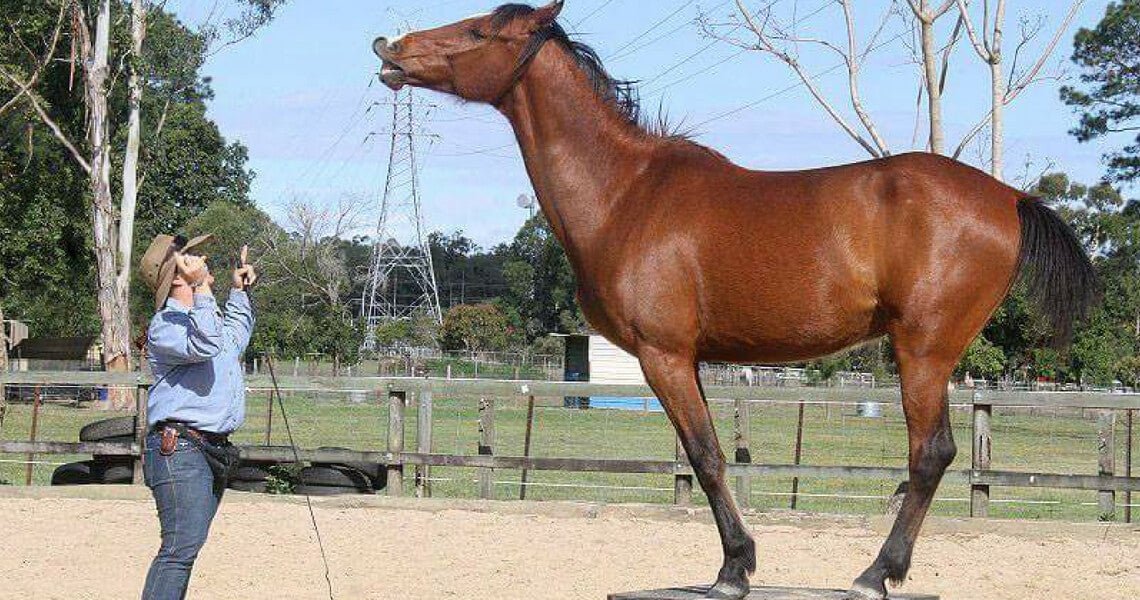
Working alongside domestic horses requires patience, clear signals, and a solid grasp of how large prey animals process cues in an artificial environment. Traditional pressure-and-release techniques have formed the backbone of stable management for generations, yet modern handlers increasingly look for methods that minimize fear and build genuine cooperation. Have you heard about equine clicker training? This progressive learning system utilizes a distinct acoustic marker to communicate correct behavior instantly, fundamentally changing how horses interpret human expectations during daily handling.
In this article, we will examine the precise mechanics behind marker-based learning, exploring why equine clicker training fosters willing learners across different breeds and disciplines. Whether you are addressing basic ground manners or preparing a young horse for future riding foundations, understanding this operant conditioning framework can elevate your routine.
What Is Equine Clicker Training and How Does It Work?
Equine clicker training relies on a precise mechanical sound that bridges the exact gap between a desired action and its subsequent food reward. When a horse performs the requested behavior, the handler clicks immediately to mark that microsecond in time, creating a clear association in the animal’s memory. Because human vocal praise varies in pitch, tone, and timing, a mechanical clicker provides complete acoustic consistency during every single session.
This absolute predictability removes the ambiguity that often causes equine frustration during traditional schooling. When the horse recognizes that the click always predicts an upcoming treat for a specific physical response, anxiety drops and cognitive problem-solving takes over.
The Core Advantages of Using a Clicker for Horses
Positive reinforcement techniques actively reshape the emotional landscape between handler and animal by replacing punitive corrections with rewarding experiences. Traditional training models that rely heavily on physical pressure can sometimes trigger a horse’s natural flight instinct or defensive posture when misunderstandings occur. Clicker methodologies bypass this stress cycle entirely by focusing on voluntary cooperation rather than forced compliance.
As horses realize they will not face correction for experimenting safely, they transform into enthusiastic participants. They begin offering behaviors proactively, testing different movements to figure out how to earn the marker sound and secure their reward.
Providing Vital Mental Stimulation and Preventing Boredom
Domestic horses possess sharp intellects and complex sensory needs that cannot be met by simply standing in a stall or paddock all day long. Equine clicker training stimulates the equine mind by turning routine handling exercises into interactive puzzles that require active thought. This mental workout channels restless energy into productive problem-solving, helping to prevent stable boredom and minimize destructive stress habits like cribbing, weaving, or fence pacing.
Handlers working with high-energy or easily distracted horses find that a brief mental session tires out an active brain much faster than mindless physical exercise alone. The animal finishes the lesson feeling settled, focused, and ready to rest.
Practical Applications for Everyday Handling and Riding
The true value of marker training shines when applied to challenging everyday husbandry tasks that often test a handler’s patience. Equine clicker training adapts easily to scenarios ranging from veterinary examinations to farrier visits, making necessary care safer for everyone involved.
| Husbandry Challenge | Standard Handling Method | Clicker-Based Approach |
|---|---|---|
| Trailer Loading | Backing ropes, whips, and forcing forward movement | Shaping curiosity and rewarding steps toward the ramp |
| Hoof Inspection | Physical restraint and lifting heavy legs manually | Rewarding voluntary weight shifts and leg lifting |
| Catching in Pasture | Cornering, chasing, or pulling on halter lines | Rewarding the animal for turning toward the handler |
These practical adjustments reduce stress during veterinary checks and hoof care. Whether starting an unhandled foal or retraining a rescue animal with a difficult history, the core principles remain remarkably consistent.
Common Pitfalls to Avoid When Clicker Training Your Horse
Achieving long-term success with this methodology requires strict attention to mechanical execution and timing discipline. A frequent beginner mistake involves delayed clicking, where the handler clicks after the horse has already relaxed out of the posture, accidentally reinforcing an unintended movement. Another pitfall is rapid-fire clicking without delivering treats, which devalues the acoustic marker and leaves the animal confused.
Managing treat delivery with clear spatial rules prevents horses from becoming pushy, mugging pockets, or invading personal boundaries. Establishing firm protocols ensures that food rewards build polite manners rather than dangerous nipping behaviors.
Frequently Asked Questions About Equine Clicker Training
What is the primary function of the clicker sound?
The clicker acts as an instantaneous acoustic marker that pinpoints the exact moment a horse performs the correct behavior, bridging the time gap until the physical reward arrives.
Can senior horses learn effectively using positive reinforcement?
Yes, horses of all ages, from unhandled foals to retired senior animals, can successfully learn and adapt to clicker-based instruction.
Does marker training cause horses to become overly demanding for food?
It can if treats are mismanaged, but proper training protocols teach animals to remain polite, wait at a distance, and look away to earn their rewards.
Are food treats required for every single clicker session?
Food serves as the primary reinforcer during initial learning phases, but established behaviors can later incorporate scratching, vocal praise, or rest breaks.
How long should daily clicker sessions run?
Brief sessions lasting 10 to 15 minutes work best because they maintain high mental engagement and prevent cognitive fatigue for both human and horse.
Can clicker training transition into ridden work?
Yes, many trainers successfully transfer ground-training principles into mounted riding foundations and advanced flatwork maneuvers.
How does customized reinforcement compare across different species and disciplines?
Much like the science behind private personal training, equine clicker training relies on structured, individualized progression schedules to optimize learning outcomes.
Disclaimer
The training insights and benefits discussed in this article are based on general equine behavior principles and positive reinforcement methods. Every horse is an individual with a unique temperament, history, and learning curve, so results may vary. Readers should always prioritize safety, assess their horse’s comfort levels, and consult a qualified equine professional or trainer before implementing new training programs.


