

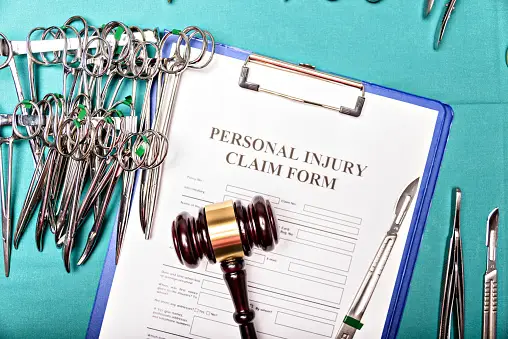
When a sudden accident disrupts your daily routine, sorting through the legal aftermath can feel overwhelming and confusing. A personal injury dispute arises whenever an individual experiences physical harm, emotional distress, or financial loss due to someone else’s carelessness or deliberate misconduct. Protecting your legal rights during such challenging times requires understanding the foundational principles of civil liability and insurance negotiations. By recognizing how legal claims are built and evaluated, injured parties can take deliberate steps to secure the recovery they deserve.
Establishing Civil Liability and Negligence Principles
Establishing liability requires proving that the responsible party failed in their legal duty of care and directly caused your injuries. In everyday scenarios, drivers, property owners, medical professionals, and employers all owe a duty to act reasonably to prevent harm to others. When an individual or entity breaches that duty through reckless behavior or oversight, they open themselves up to civil claims. Demonstrating this connection typically involves reviewing police reports, eyewitness accounts, and expert evaluations to reconstruct how the incident unfolded.
Categorizing Common Accident Scenarios and Incident Types
Civil claims stem from a wide variety of unfortunate events, each governed by specific rules and evidentiary requirements. Motor vehicle crashes involving cars, trucks, or motorcycles frequently happen due to driver distraction, fatigue, or intoxication. Slip-and-fall incidents emerge when commercial property owners or municipal workers ignore slippery floors, broken stairways, or inadequate lighting. Workplace accidents range from construction site hazards to repetitive strain injuries in office environments, often involving workers’ compensation laws alongside third-party liability. Additionally, medical malpractice claims arise when healthcare providers deviate from accepted standards of medical care, resulting in patient injury or worsened health conditions.
Immediate Actions Following an Accidental Injury
The hours and days following an accident are critical for safeguarding your physical recovery and any prospective legal claim. Seeking immediate medical attention ensures that hidden injuries, such as concussions or internal soft-tissue damage, are diagnosed and treated properly by healthcare professionals. Simultaneously, gathering physical evidence at the scene—such as taking wide-angle and close-up photographs, noting weather conditions, and collecting phone numbers from witnesses—establishes an unalterable record of the environment. Maintaining a personal health journal that logs daily pain levels, emotional struggles, and missed work shifts provides concrete proof of how the accident impacts your daily routine.
The Value of Comprehensive Medical Documentation
Detailed medical documentation acts as the primary pillar of proof in establishing the financial value of a civil claim. Physician notes, diagnostic imaging results, physical therapy schedules, and prescription logs create an objective timeline connecting the accident directly to your current medical condition. Insurance adjusters and defense counsel scrutinize these records closely, making consistent attendance at medical appointments vital for demonstrating the true severity of your injuries. Without well-maintained healthcare paperwork, proving the ongoing financial and physical toll of an injury becomes exceptionally difficult during settlement negotiations.
Progression of a Formal Civil Lawsuit
Moving from an initial insurance claim to a formal courtroom lawsuit involves several structured procedural stages designed to promote fairness. The formal litigation process typically begins when plaintiff counsel files a detailed complaint outlining the allegations against the defendant. Following this filing, both legal teams enter the discovery phase to exchange relevant documents, depose witnesses, and gather expert testimonies. Settlement discussions often run concurrently throughout this stage, as both parties seek to resolve the dispute outside of a courtroom. If an equitable agreement cannot be reached, the matter advances to trial, where a judge or jury listens to arguments and renders a final verdict. For a broader perspective on how legal professionals support claimants, you can read more about navigating the personal injury legal process during your case.
Overcoming Insurance Adjuster and Legal Obstacles
Securing fair compensation often means confronting stubborn insurance adjusters who employ various strategies to minimize payouts or deny liability entirely. Insurers may request recorded statements early on, hoping claimants will inadvertently downplay their injuries or admit partial fault. Furthermore, legal hurdles such as comparative negligence rules and strict statutes of limitations can complicate recovery efforts if deadlines or fault allocations are mismanaged. Anticipating these defensive maneuvers helps claimants approach negotiations with caution and resilience.
Advantages of Professional Legal Representation
Partnering with a knowledgeable attorney changes the dynamics of a negotiation by bringing objective analysis and tactical experience to your side. Legal advocates manage all communications with insurance companies, calculate the true long-term costs of your injuries, and handle complex court filings without upfront financial stress. Because many firms offer complimentary initial case evaluations, speaking with an attorney early on allows you to explore your options and plan your next steps effectively.
Frequently Asked Questions
How long do I have to file a personal injury claim?
The statutory deadline, known as the statute of limitations, varies by state and dictates the strict window within which you must file a lawsuit.
Will my personal injury case go to court?
Most personal injury cases are resolved through out-of-court settlements, though a small percentage ultimately proceed to trial if negotiations fail.
How much is my personal injury case worth?
Case value depends on numerous factors, including medical expenses, lost wages, property damage, and the severity of pain and suffering.
What should I say to the insurance adjuster?
It is best to provide only basic factual details and avoid giving recorded statements or admitting fault before consulting an attorney.
Can I still recover compensation if I was partially at fault?
Many jurisdictions follow comparative fault rules that allow you to recover damages even if you share some blame, though your total payout may be reduced accordingly.
What are the upfront costs of hiring an attorney?
Most personal injury lawyers operate on a contingency fee basis, meaning they only get paid if they successfully recover compensation for you.
Disclaimer
The information provided in this article is for general educational purposes only and does not constitute formal legal advice. Personal injury laws and filing deadlines vary significantly by jurisdiction and change over time. Readers should consult with a qualified attorney or official legal resources in their local area to verify current rules before taking action.


[…] When property managers neglect this duty, innocent visitors can suffer severe fractures, back injuries, or head trauma. Documenting the hazardous condition with photographs before it gets cleaned up is vital for a successful premises liability claim. Reporting the incident to the store manager or property owner creates an official incident log that supports later legal proceedings. For further context on how these situations unfold, you can explore insights on navigating legal risk factors. […]
[…] notices help prove that the enterprise took active steps to communicate known risks, much like how navigating legal risk factors requires documenting every standard precaution taken by […]
[…] makes it significantly easier to substantiate your claims when exploring options like understanding the nuances of personal injury cases before […]
[…] For a broader perspective on handling complex civil claims, you can also review insights on navigating legal risk factors within personal injury […]
[…] lubricated. Individuals navigating complex legal and physical recovery journeys often find that understanding the nuances of personal injury cases helps clarify their overall legal and medical […]
[…] events. For those interested in broader protective measures, reviewing resources like our guide on navigating legal risk factors offers helpful context on structured exposure […]