
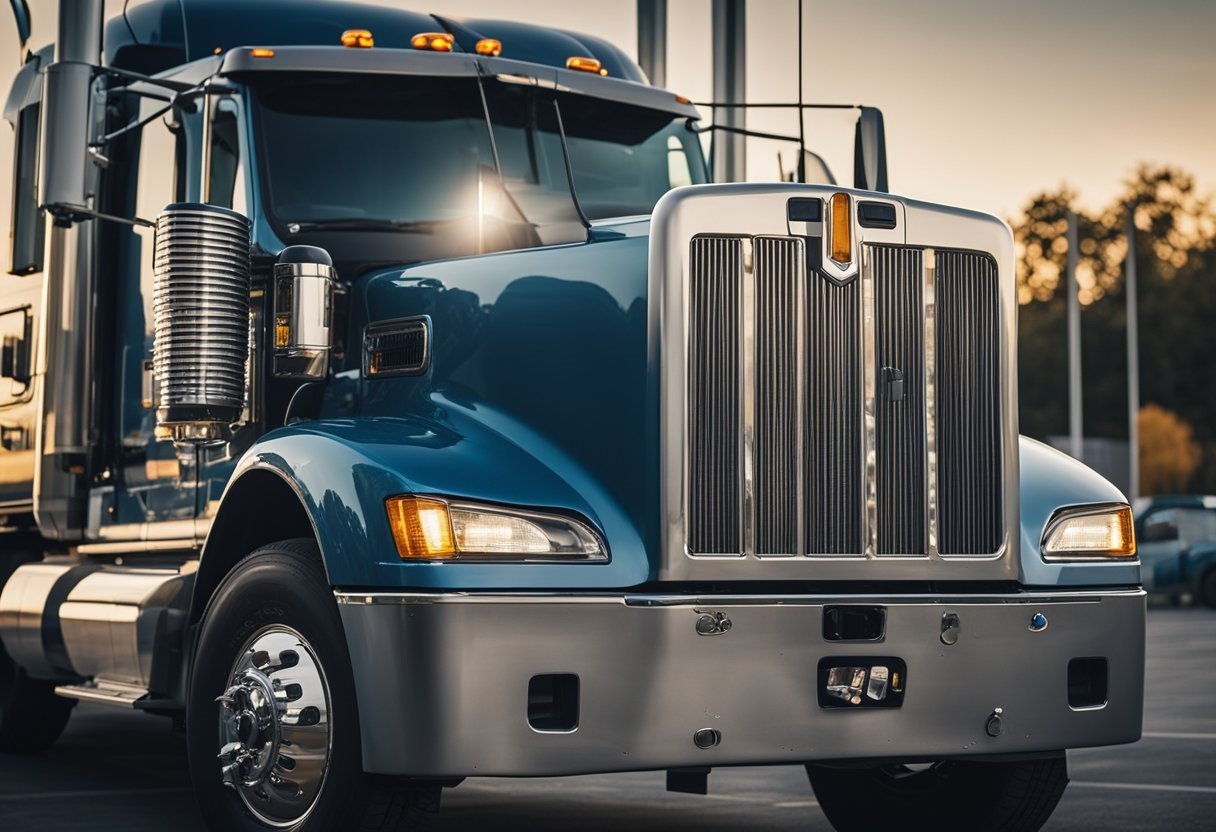
Understanding the nuances of Department of Transportation oversight is essential for anyone operating in the commercial trucking industry. The Federal Motor Carrier Safety Administration and state safety partners have established a comprehensive series of roadside checks designed to ensure the safety and mechanical compliance of commercial motor vehicles on public roads. These examinations range from routine paper checks to exhaustive reviews of vehicle components and driver credentials.
The inspection program consists of six distinct tiers, each with its own specific focus and protocol. Drivers and fleet managers who understand what each tier entails can better prepare for roadside stops and maintain strict adherence to federal motor carrier safety regulations.
Understanding DOT Inspections
Department of Transportation inspections systematically assess commercial vehicle safety and driver fitness to ensure compliance with federal and state regulations.
Overview of the DOT Inspection Program
The North American Standard Inspection Program provides a structured framework for safety officials to evaluate commercial motor vehicles. With tiers ranging from basic driver documentation reviews to complete mechanical overhauls, inspectors look for equipment defects, hours of service violations, and cargo securement failures. Knowing how these evaluations operate helps motor carriers maintain high safety ratings.
Significance of Compliance
Adhering to established safety standards protects commercial drivers, fleet operators, and the general public from preventable highway accidents. Regular compliance checks minimize the risk of mechanical failures that could lead to catastrophic crashes on busy roadways. When a commercial vehicle fails to meet safety standards, enforcement officers can issue heavy fines or halt operations immediately.
The Six Levels of DOT Inspections At-a-Glance
A quick review of the six standard inspection categories highlights how different roadside stops vary in scope and depth.
| Inspection Level | Name | Primary Focus |
|---|---|---|
| Level 1 | North American Standard Inspection | Driver credentials and complete vehicle mechanical components. |
| Level 2 | Walk-Around Driver/Vehicle Inspection | Driver credentials and items visible without crawling underneath. |
| Level 3 | Driver-Only Inspection | Driver documents, logs, and credentials exclusively. |
| Level 4 | Special Inspections | One-time or specific analytical examinations for safety trends. |
| Level 5 | Vehicle-Only Inspection | Thorough mechanical components conducted without a driver present. |
| Level 6 | Enhanced NAS Inspection for Radioactive Materials | Specialized protocols for highway route-controlled quantities of radioactive waste. |
Level 1: The North American Standard Inspection
A Level 1 inspection is the most rigorous and exhaustive roadside examination conducted by certified safety enforcement personnel.
Examination Criteria
The Level 1 procedure covers critical components of both the driver and the commercial vehicle in a single comprehensive evaluation. Inspectors examine braking systems, tires, wheels, steering mechanisms, lighting devices, and exhaust systems. They also check emergency exits and cargo securement devices to guarantee everything remains secure during transit.
Documentation Requirements
The driver must present valid paperwork upon request, including a commercial driver license, medical examiner certificate, and hours of service records. Vehicle registration documents, annual inspection certificates, and insurance papers must also be readily available. If the commercial motor vehicle transports regulated loads, the driver must provide appropriate hazardous materials paperwork.
Level 2: Walk-Around Driver/Vehicle Inspection
A Level 2 inspection involves a thorough examination of the driver and vehicle components that can be inspected without getting underneath the chassis.
During this walk-around check, enforcement personnel evaluate tires, wheels, exterior lighting, windshield wipers, mirrors, and accessible brake components. Inspectors do not crawl under the vehicle during a Level 2 check, but they still verify all required driver credentials, logs, and safety documents just like they would during a Level 1 examination.
Level 3: Driver-Only Inspection
A Level 3 inspection focuses entirely on driver credentials, background documentation, and safety compliance without performing a physical check of the vehicle.
Enforcement officers review the commercial driver license, medical certification card, skill performance evaluations if applicable, and daily hours of service records. They also check for seat belt usage, proper substance abuse compliance, and any outstanding warrants or disqualifications tied to the driver’s identity.
Level 4: Special Inspections
A Level 4 inspection consists of specialized or one-time examinations that evaluate specific items or research safety trends.
These targeted checks are typically part of a specific study, pilot program, or specialized enforcement campaign. A Level 4 review might examine a newly introduced vehicle technology or investigate a specific mechanical failure pattern identified across a particular commercial fleet model.
Level 5: Vehicle-Only Inspection
A Level 5 inspection includes every mechanical and safety check from a Level 1 procedure but is conducted without a driver present.
This type of examination usually occurs during terminal audits, maintenance facility reviews, or specialized joint enforcement operations where the vehicle is stationary. Fleet managers often utilize internal or external facility audits to ensure their equipment meets federal standards before trucks dispatch onto public highways.
Level 6: Enhanced NAS Inspection for Radioactive Materials
A Level 6 inspection provides specialized scrutiny for highway route-controlled quantities of radioactive waste and designated radioactive materials.
Vehicles carrying these sensitive materials undergo rigorous out-of-service criteria, radiological checks, and specific cargo packaging verifications. Passing this inspection successfully allows the vehicle to display a special Commercial Vehicle Safety Alliance decal signifying compliance with extreme safety protocols.
What Happens When You Fail: Out-of-Service Orders and Penalties
Violations discovered during roadside evaluations can result in immediate out-of-service orders that halt vehicle operations until corrections are made.
When an inspector identifies severe safety defects, such as critical brake failures, worn steering components, or extreme hours of service violations, the vehicle or driver is placed out of service. Continuing to drive while under an active order leads to severe financial penalties, carrier safety rating downgrades, and potential legal liabilities for the trucking company.
How to Prepare Your Fleet and Drivers for Any Inspection
Maintaining a proactive maintenance schedule and enforcing strict record-keeping habits help commercial fleets avoid unexpected violations.
Drivers should perform thorough pre-trip and post-trip inspections every single day to catch minor mechanical issues before enforcement officers spot them. Fleets that prioritize driver education, organized documentation systems, and timely equipment repairs dramatically increase their chances of passing roadside checks without incident. Operating professional commercial vehicles also involves understanding broader operational rules, much like how businesses navigate administrative oversight or corporate compliance models when evaluating legal structures or specialized business consultancy models.
Frequently Asked Questions
How often do commercial vehicles undergo DOT inspections?
Every commercial vehicle must receive a comprehensive periodic inspection at least once every twelve months. Additionally, vehicles can be pulled over at any roadside inspection station at the discretion of certified state or federal officers.
What is a CVSA decal and how is it earned?
A CVSA decal is a small sticker issued by certified inspectors when a commercial motor vehicle passes a qualifying Level 1, Level 2, Level 5, or Level 6 inspection without major safety violations.
Can a driver refuse a DOT inspection?
A commercial driver cannot refuse a lawful request for a roadside inspection by an authorized safety official. Refusing an inspection results in immediate out-of-service orders and heavy penalties for both the driver and the motor carrier.
What documents must be kept in the cab at all times?
Drivers must keep their commercial driver license, medical examiner certificate, vehicle registration, lease agreements if applicable, and current hours of service logs accessible in the cab.
What triggers a Level 3 driver-only inspection?
Officers typically conduct Level 3 inspections during routine traffic stops, at weigh stations, or as part of targeted driver compliance sweeps focusing on electronic logging device accuracy.
Who is authorized to perform official DOT inspections?
Only state troopers, highway patrol officers, and state enforcement personnel who have completed official Commercial Vehicle Safety Alliance certification training can conduct these inspections.
Do roadside inspection violations affect safety scores?
Yes, any violation discovered during an inspection feeds into the federal Compliance, Safety, Accountability safety measurement system, which impacts carrier insurance rates and compliance standing.
Disclaimer: Regulatory guidelines, inspection procedures, and federal safety standards are subject to change by enforcement authorities. Drivers and fleet operators should verify final compliance requirements directly with official Federal Motor Carrier Safety Administration resources.

Daniel J. Morgan is the founder of Invidiata Magazine, a premier publication showcasing luxury living, arts, and culture. With a passion for excellence, Daniel has established the magazine as a beacon of sophistication and refinement, captivating discerning audiences worldwide.


