

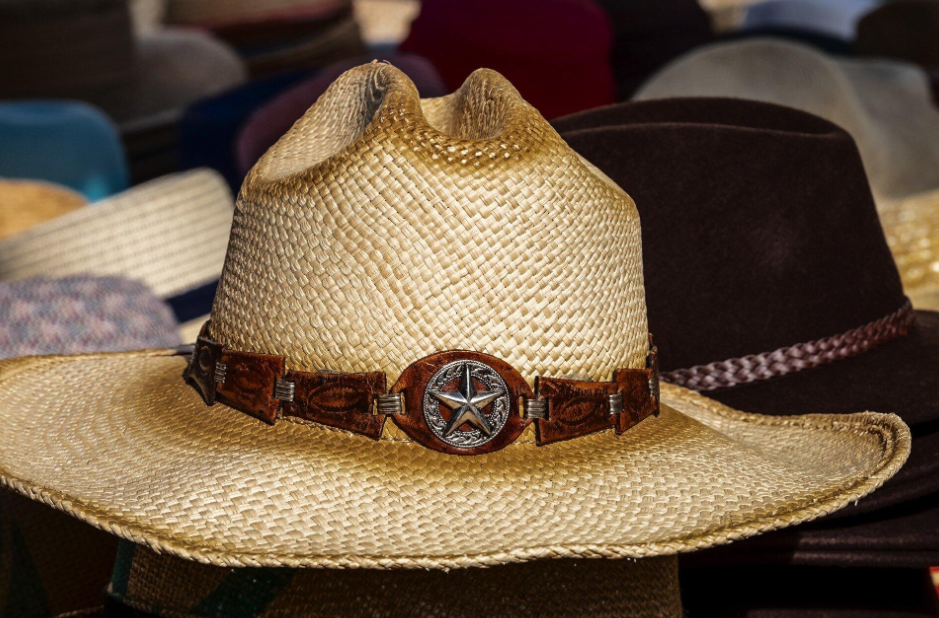
Western hats are far more than a simple fashion accessory, as each distinct silhouette tells a deep story of American heritage, practical utility, and changing modern style. Understanding what makes different western hat shapes unique helps buyers navigate everything from rugged ranch work to contemporary country music fashion trends. From wide brims to tall, striking crowns, every crease carries a specific purpose and visual character. Whether you are entirely new to traditional western wear or a seasoned hat collector, finding the right headwear depends on matching your physical features and everyday lifestyle needs.
Decoding Crown Creases and Brim Pitch
The physical structure of any western hat relies on three primary components: the crown, the center crease, and the brim pitch, which together determine both functionality and visual balance.
Every western hat begins as a blocked felt or straw body featuring an unshaped crown before specialized steam and heavy pressure form the final crease. The crown height dictates how the hat balances out different facial structures, while the brim width and curvature provide essential sun protection and structural framing against harsh winds. Material choice also plays a vital role in maintaining these shapes over time, as high-grade fur felt offers rigid durability for cold weather, whereas traditional straw and palm leaf options deliver lightweight breathability for hot summer climates.
Traditional Workhorse Creases for Rugged Durability
Time-tested western hat shapes like the classic cattleman crease and the Montana mix remain the rugged standard for everyday durability and authentic ranch labor.
The classic cowboy hat features a balanced medium-height crown and a slightly curved brim, making it a versatile staple for working cowboys and outdoor enthusiasts alike. Meanwhile, the cattleman crease incorporates three distinct crown creases that deliver a clean, sharp look designed to shed rain and resist heavy winds on the open range. The Montana mix blends a slightly higher crown with a gently curved brim, offering enhanced ventilation and strong sun protection for long days spent working outdoors. Traditional heritage makers like Stetson and Resistol built their reputations on these dependable silhouettes, which prioritize practical weather defense without sacrificing traditional style.
Iconic Historical Profiles and Statement Silhouettes
High-profile historical styles like the Gus crease, the Tom Mix, and the round-brim gambler hat offer bold character and distinctive silhouettes for individuals looking to make a lasting impression.
The Gus crease features a sloped crown that drops distinctly toward the front paired with a wide brim, creating a rugged profile popularized by both traditional horsemen and silver-screen legends. The Tom Mix hat takes vertical height to an extreme with a tall, dramatic crown and an expansive brim, paying homage to the famous silent film star who made oversized western headwear famous. On the other hand, the gambler hat showcases a flat crown and a wide, round brim that offers a touch of old-West sophistication suited for formal events and tailored outfits.
Contemporary Everyday Favorites and Flat-Brim Styles
Modern western fashion trends favor versatile options like the pinch-front hat and aggressive flat-brim hybrids for casual, everyday streetwear.
The pinch-front hat features a tapered, pointed crown that flatters a wide variety of face shapes while offering a lightweight feel ideal for warm weather and social gatherings. In recent years, modern country music culture and streetwear influences have sparked a massive surge in popularity for flat-brim hats, which feature straight, uncurved brims projecting an edgy, contemporary attitude. These modern silhouettes bridge the gap between traditional heritage and urban casual style, making them a favorite choice for younger generations entering western fashion.
Customizing Open Crowns Into One-of-a-Kind Pieces
An open-crown hat provides a completely unshaped canvas that allows custom hatters and enthusiasts to crease the felt to their exact personal specifications.
Purchasing a hat with an open crown means the buyer receives a smooth, undecorated crown and a flat brim without any factory-pressed creases. Professional hatters use steam blocks and hand-shaping techniques to transform this blank slate into a custom cowboy hat tailored to unique facial geometry and personal taste. This hands-on approach is especially popular among custom makers and individuals who want a truly one-of-a-kind piece that cannot be found on standard retail shelves.
Matching Hat Proportions to Your Face Shape and Activities
Selecting the right western hat shape requires balancing your physical facial structure with your day-to-day functional requirements, such as outdoor ranch labor or weekend social events.
People with round face shapes often benefit from tall, angular crowns like the cattleman or Tom Mix to add vertical proportion, while those with long, angular faces look best in hats with lower crowns and curved brims like the pinch front. For intensive ranch work, a sturdy felt or durable palm leaf hat with a tighter crease provides necessary wind resistance and structural integrity. If you are shopping for special occasions or seeking unique seasonal inspiration, you can also explore how to find unique holiday presents to complete your personal style evolution.
Frequently Asked Questions
What is the most popular western hat shape?
The cattleman crease remains the most widely recognized and popular western hat shape due to its balanced proportions and traditional utility.
How do I know which hat shape fits my face?
Taller crowns with sharp angles balance out round faces, while shorter, rounded crowns help soften the appearance of long or angular jawlines.
Can I shape an open crown hat myself?
Shaping an open crown requires specialized steam equipment and experience, so it is usually best left to a professional hatter.
What is the difference between felt and straw western hats?
Felt hats provide warmth and durability for cooler months, whereas straw and palm leaf hats offer lightweight breathability for hot summer weather.
How should a western hat fit on your head?
A proper western hat should rest comfortably about a finger’s width above your eyebrows and ears without feeling overly tight or leaving red marks.
Are flat-brim western hats considered traditional?
Flat-brims draw inspiration from historical styles like the Boss of the Plains, though extreme flat-brim variations are largely driven by modern fashion trends.
Disclaimer: Fashion trends, material availability, and manufacturing standards are subject to change over time. Readers should consult with professional hatters or official brand retailers to verify specific sizing, materials, and custom fitting options before making a purchase.


