

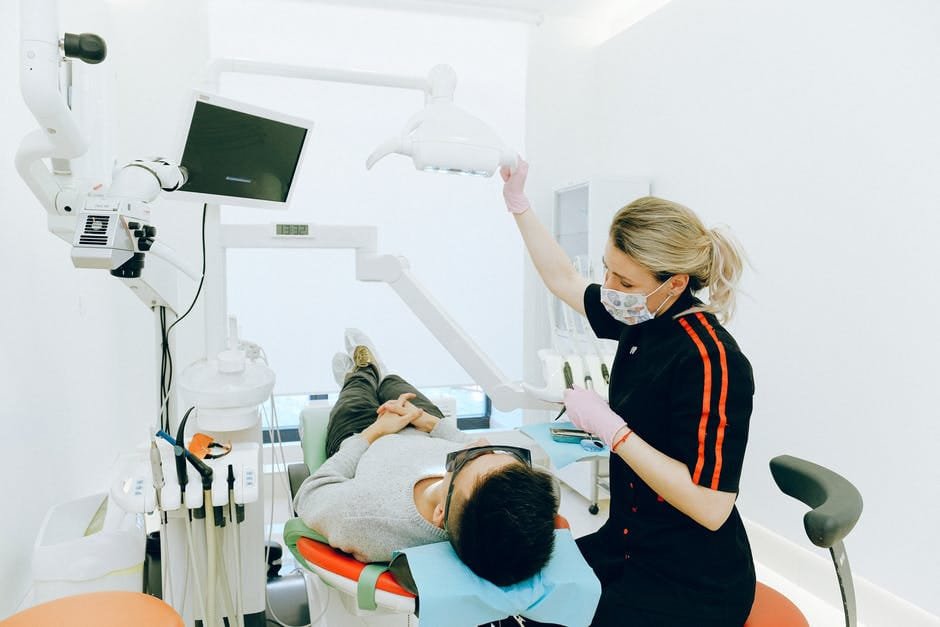
Dental health is closely tied to overall well-being, yet many people overlook early warning signs that indicate a need for professional intervention. Are you experiencing persistent pain or daily discomfort while eating your favorite foods?
Do you notice subtle shifts or changes in the natural alignment of your upper and lower teeth? These physical changes often serve as major warning signs that you might need comprehensive teeth reconstruction to restore normal function.
Other common indicators include excessive enamel wear, visible chips, and chronic issues that do not resolve with routine brushing or flossing. Ignoring these dental red flags often allows underlying problems to progress into more severe structural failures over time.
Let us explore what these key physical indicators mean for your long-term dental health and why timely professional evaluation matters.
Exploring Full Restorative Care Options and Modern Dental Preservation Techniques
Advanced restorative dentistry focuses on utilizing modern bonding agents, biocompatible crowns, and comprehensive techniques to save compromised teeth rather than relying solely on past methods that favored extraction. Teeth reconstruction involves a series of targeted procedures designed to rebuild, repair, and replace severely damaged, worn, or missing structures across the entire mouth. Unlike a simple filling or standard crown that targets an isolated cavity, a full reconstruction addresses widespread dental issues that impact your bite force and jaw stability. Dentists typically recommend this multi-step approach when multiple teeth suffer from extensive decay, deep fractures, or advanced wear that compromises daily speaking and chewing. Understanding the scope of these treatments helps patients recognize that restorative care goes far beyond basic cosmetic improvements, emphasizing structural longevity and oral health preservation.
Decoding Persistent Toothaches and Chronic Nerve Pain
Frequent toothaches and deep-seated chronic pain are primary indicators that structural damage has reached the sensitive inner nerves of the tooth. When you experience recurring toothaches, it often points to extensive internal decay, hidden root infections, or severe structural cracks that allow bacteria to reach the dental pulp. Relying constantly on over-the-counter painkillers only masks the underlying problem without addressing the root cause of the discomfort. Ignoring persistent dental pain frequently leads to irreversible nerve damage or even tooth loss, making early professional intervention essential. Chronic toothaches can also interfere with everyday activities like talking, sleeping, and eating normally, which impacts your overall quality of life.
Identifying Visible Structural Damage and Enamel Breakdown
Visible structural damage like deep cracks, large chips, and severe enamel wear clearly signal that a tooth has lost its natural defense mechanisms. Damaged tooth structures allow bacteria to penetrate deeper layers, which can quickly trigger painful infections and cause further breakdown of the remaining tooth. Waiting too long to address visible chips or cracks usually results in the need for much more invasive and costly dental procedures later on. A qualified restorative dentist can thoroughly evaluate the extent of the damage and recommend appropriate treatments, such as crowns, veneers, or specialized bonding, to restore the tooth to its proper shape and function.
Recognizing Noticeable Shifts in Your Bite and Jaw Alignment
Noticeable shifts in your bite and overall dental alignment often indicate that teeth are moving, wearing unevenly, or shifting due to missing support. When your upper and lower teeth no longer fit together comfortably, everyday tasks like chewing and speaking become significantly more difficult. This misalignment places abnormal physical stress on the temporomandibular joints in your jaw, leading to soreness, clicking, or chronic facial tension. Teeth that sit out of proper alignment also tend to experience accelerated, uneven wear over time, making them far more vulnerable to sudden fractures. Regular professional examinations every six months help dentists catch alignment changes early before they require complex corrective work.
Assessing Functional Difficulties with Chewing and Eating Mechanics
Functional difficulties with chewing and eating reveal that compromised dental health is already interfering with your daily nutritional habits. If biting down on food causes sharp pain or physical resistance, you may be dealing with untreated decay, advanced gum disease, or severe bite misalignment. People experiencing these eating difficulties often alter their diets by avoiding hard, crunchy, or nutritious foods that require heavy chewing. This dietary restriction can negatively impact your overall health, while improper chewing mechanics continue to place destructive pressure on your remaining healthy teeth. Addressing these functional problems promptly prevents minor dental weakness from escalating into a full restorative emergency, and in some severe situations, patients may even need to read about options like a tooth extraction when preservation is no longer possible.
Evaluating Long-Term Risks and Clinical Treatment Timelines
Delaying comprehensive dental treatment allows minor structural weaknesses to multiply into severe oral health complications that require extensive clinical intervention. When damaged teeth and bite imbalances are left uncorrected, the surrounding jawbone can begin to resorb and weaken from a lack of proper chewing stimulation. Furthermore, shifting teeth can destabilize adjacent healthy structures, creating a domino effect of decay, gum recession, and tooth loss across the entire mouth. Addressing these issues early preserves natural tooth structure, reduces long-term financial costs, and protects your general physical well-being. A professional restorative dental evaluation begins with a detailed visual examination of your teeth, gums, and supporting jaw structures by a licensed dentist. Modern dental clinics use advanced diagnostic tools, including digital imaging, 3D scans, and bite-analysis technology, to map out the exact extent of your dental degradation. Your dentist will then review these findings with you, discussing customized treatment options ranging from crowns and bridges to comprehensive full-mouth reconstruction. This personalized roadmap helps demystify the recovery process, outlines expected timelines, and ensures you feel fully informed before making any decisions about your oral care.
Frequently Asked Questions
What is the primary difference between a routine filling and teeth reconstruction?
A routine filling repairs a small, isolated area of decay on a single tooth, whereas teeth reconstruction involves comprehensive procedures to restore multiple damaged teeth and correct your overall bite.
How long does a complete teeth reconstruction process typically take?
The timeline for teeth reconstruction varies widely depending on the complexity of your dental needs, ranging from a few weeks for minor restorative work to several months for multi-stage procedures like implants and crowns.
Is teeth reconstruction a painful medical procedure?
Modern dental techniques and effective local anesthetics ensure that patients remain comfortable and experience minimal discomfort during actual restorative procedures.
Will my dental insurance cover the cost of reconstruction?
Dental insurance coverage depends heavily on your specific policy and whether the procedures are classified as medically necessary restorative care or purely cosmetic treatments.
How can I maintain my restored teeth after the process is finished?
Maintaining restored teeth requires practicing diligent daily hygiene through brushing and flossing, wearing a nightguard if you grind your teeth, and attending regular professional dental check-ups.
Can minor chips heal on their own without dental treatment?
Enamel cannot regenerate once it is damaged, meaning that chips and cracks require professional dental intervention to prevent bacteria from entering the inner tooth.
Disclaimer
This article is provided for general informational and educational purposes only and should not be construed as professional dental diagnosis, medical advice, or treatment planning. Dental conditions vary significantly from person to person, and details regarding treatments may change. Always consult a qualified licensed dentist or dental specialist to discuss your specific oral health needs and verify final information.


