

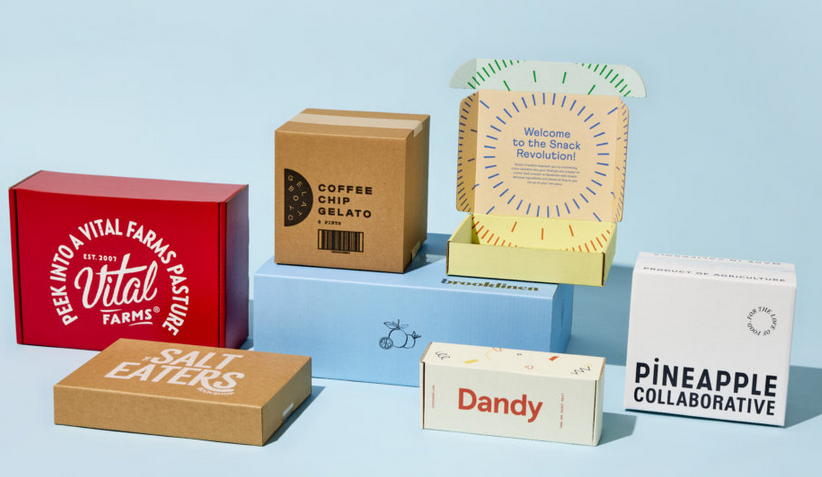
The modern market for subscription boxes continues to thrive as consumers enjoy the recurring delivery of beauty items, snacks, books, and specialty goods. Delivering these items safely while maintaining a delightful unboxing experience relies heavily on exterior containers. For most direct-to-consumer brands, paper-based containers remain the gold standard.
Cardboard packaging provides the structural integrity, visual surface area, and cost balance required for recurring shipping models. Understanding why this material dominates the recurring delivery market helps brands optimize their logistics and customer satisfaction.
The Subscription Box Boom and the Role of Packaging
Subscription boxes succeed because they transform routine product purchases into memorable, anticipated brand experiences.
When a subscriber opens a delivery, the physical container acts as the very first touchpoint for brand interaction. Rigid paper containers offer a reliable canvas that establishes a professional reputation before the customer even sees the items inside. Businesses must balance aesthetic appeal with structural demands, ensuring that the physical presentation reflects the quality of the goods. In competitive consumer markets, the outward appearance of a shipment sets expectations for everything enclosed within.
Furthermore, subscription services rely on consistency. Customers anticipate receiving their curated goods in pristine condition month after month. Using dependable paper-based enclosures removes unpredictability from fulfillment lines, ensuring uniform quality across thousands of concurrent shipments. This consistency builds consumer trust over extended periods, turning casual purchasers into loyal, long-term brand advocates.
Structural Protection and Dimensional Weight Efficiency
Cardboard packaging delivers exceptional physical protection against impact while remaining light enough to keep shipping costs manageable.
Carriers calculate freight charges using dimensional weight, meaning bulky or heavy outer materials quickly eat into profit margins. Corrugated paper constructions provide high strength-to-weight ratios, absorbing shocks during transit without adding unnecessary ounces. This structural rigidity protects delicate items like cosmetics or electronics, ensuring goods arrive undamaged. For broader inspiration on material selection and container design trends, reviewing resources on future packaging design trends can offer valuable context for modern shippers navigating carrier regulations.
Beyond mere weight savings, the multi-layered fluting found inside corrugated sheets acts as a natural buffer. When a parcel experiences drops or shifting during freight transit, these flutes compress to dissipate kinetic energy before it reaches the retail merchandise. This engineering precision eliminates the need for excessive secondary cushioning materials, cutting down on unboxing clutter while safeguarding fragile merchandise effectively.
Brand Customization and the Unboxing Experience
Cardboard packaging turns a standard shipping container into a powerful marketing asset through high-quality printability and custom layouts.
Brands can easily print logos, brand colors, product stories, and custom interior artwork directly onto the paper surface. This flexibility transforms the unboxing ritual into an interactive marketing event that builds emotional loyalty with the consumer. Clean printing and precise cuts create a polished look that reinforces the value of the recurring subscription.
When recipients share their unboxing moments on social media channels, custom exterior printing amplifies organic brand visibility. A well-designed outer container acts as a mobile billboard traveling through postal networks, catching the eye of delivery personnel and neighbors alike. Investing in custom graphics creates a distinct visual identity that separates emerging e-commerce brands from traditional generic competitors.
Sustainability and Eco-Friendly Expectations
Sustainable materials have become a primary consumer demand, making recyclable paper packaging essential for environmentally conscious brands.
Modern buyers scrutinize the environmental footprint of their purchases, often penalizing companies that use excessive plastics or non-recyclable fillers. Paper containers naturally align with zero-waste goals because they are easily recycled curbside by the end consumer. Sourcing certified materials further reassures buyers that the supply chain respects responsible forestry practices.
Eliminating single-use plastics in favor of biodegradable paper solutions significantly lowers corporate carbon footprints. Many fulfillment operations now feature closed-loop recycling programs, ensuring scrap paper generated during manufacturing is immediately repurposed. This circular economic approach satisfies strict environmental regulations while appealing directly to modern ethical shoppers.
Operational Versatility and Storage Practicality
Fulfillment centers benefit immensely from flat-pack storage and the ability of cardboard packaging to accommodate diverse product assortments.
Subscription contents often change from month to month, requiring adaptable containers that fit varying shapes and sizes. Paper containers arrive flat in bulk, saving valuable warehouse floor space until they are needed on the packing line. Packers can quickly fold, tape, and load these containers, keeping fulfillment speeds high and operational overhead low.
This modular adaptability extends to interior inserts, which can be custom-die-cut to hold multiple small items securely in place. Whether a box contains glass perfume bottles, hardcover books, or oddly shaped artisanal soaps, internal dividers keep everything compartmentalized. Such efficiency streamlines warehouse operations, reducing packing errors and speeding up daily throughput during peak seasonal rushes.
Frequently Asked Questions
Why is cardboard preferred over plastic for subscription boxes?
Cardboard offers superior printability, easier recyclability, and lower shipping weights compared to rigid plastics, making it better suited for direct-to-consumer branding.
How does cardboard packaging reduce shipping costs?
The lightweight nature of corrugated paper keeps packages under heavy weight thresholds, reducing carrier fees calculated on dimensional weight.
Can cardboard containers be fully customized with brand colors?
Yes, paper surfaces accept digital, flexographic, and lithographic printing easily, allowing brands to apply full-color graphics and logos.
Are cardboard subscription boxes environmentally friendly?
Most paper boxes are made from renewable resources and are fully recyclable, meeting modern consumer expectations for eco-friendly practices.
How do paper containers protect fragile items inside?
The fluted inner layer of corrugated cardboard acts as a shock absorber, shielding delicate products from drops and impacts during transit.
Do paper shipping boxes take up a lot of warehouse space?
No, these containers are shipped flat and stacked efficiently in storage until assembly, minimizing the footprint required in fulfillment centers.
Disclaimer: Packaging standards, material costs, and carrier requirements can change over time. Brands should consult official supplier specifications and shipping guidelines to verify the best packaging choices for their specific products.


