
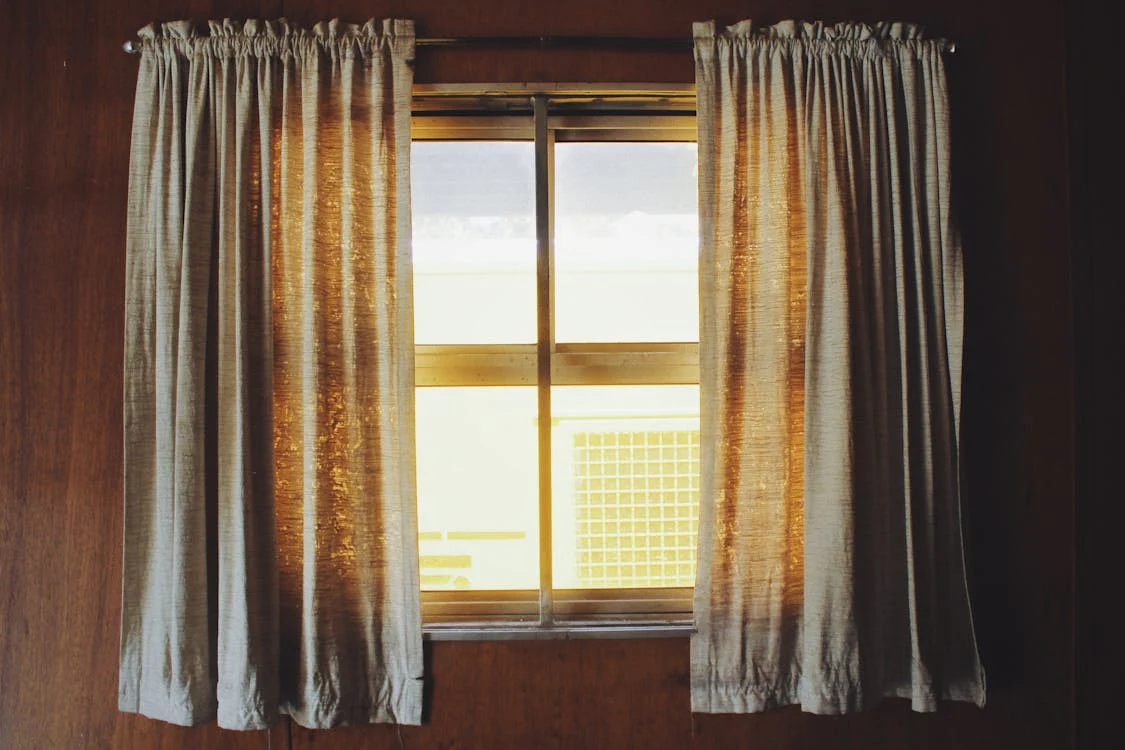
When homeowners decide to upgrade their glazing units, they often face a complex dilemma: should they handle the glass installation themselves or hire a certified contractor? Both paths involve distinct financial outlays, physical demands, and long-term performance implications for residential building envelopes. This comprehensive analysis breaks down the structural differences, thermal engineering requirements, and labor realities of tackling a window project independently versus bringing in experienced trade professionals.
Upfront Material Pricing and Long-Term Thermal Value
Financial planning for a home upgrade requires looking past initial material outlays to evaluate lifetime structural returns. Tackling a project independently eliminates professional labor fees entirely, allowing homeowners to allocate more of their budget directly toward higher-tier glass units or specialized frame materials. However, professional installations frequently secure better long-term financial value by safeguarding against premature energy loss and moisture infiltration. Faulty DIY frame sealing can degrade thermal performance rapidly, leading to inflated heating bills and expensive framing repairs down the road. Licensed contractors provide peace of mind through structured workmanship guarantees that protect against unexpected material failures.
The Multi-Day Labor and Precision Measurement Reality
Executing a successful retrofit or full-frame insertion demands intense physical labor and strict dimensional accuracy. Measuring rough openings requires accounting for wall settling, square deviations, and exterior flashing integration without leaving room for error. Removing degraded wooden or aluminum sills without damaging adjacent drywall or interior trim requires steady patience and specialized hand tools. For individuals researching broader project fundamentals, reviewing general insights on modern window replacement options can help clarify what standard home upgrades entail and what physical effort is required.
Thermal Envelope Integrity and Air Sealing Standards
Modern architectural glass units rely on precise thermal engineering to prevent convective drafts and manage solar heat gain coefficients effectively. Achieving these performance standards depends entirely on achieving an airtight, plumb perimeter seal around the entire rough opening. Even a millimeter of misalignment during a DIY installation can compress insulation improperly or create micro-gaps where condensation accumulates. Professional installers utilize specialized low-expansion foams and precise shimming techniques to ensure the sash operates smoothly while maintaining a continuous thermal barrier.
Specialized Tooling, Heavy Lifting, and Jobsite Safety
Handling multi-pane glass units and multi-story elevations introduces significant physical risks that require professional-grade safety equipment. Contractors arrive equipped with heavy-duty suction lifters, scaffolding, fall protection gear, and specialized cutting implements designed for architectural glass. Attempting to maneuver heavy triple-pane glass units on upper floors without proper assistance can result in severe personal injury or catastrophic breakage. Professional crews mitigate these hazards through established safety protocols and team lifting techniques.
Manufacturer Warranties and Structural Liability Coverage
Comprehensive warranty protection serves as one of the most compelling arguments for hiring an established window contractor. Reputable installation firms issue dual-layer protections covering both manufacturing defects in the IGUs and labor faults in the perimeter sealing. If a seal fails or water leaks through the flashing within the coverage window, the installer fixes the issue at no additional cost. Homeowners who perform DIY installations absorb all liability for mistakes, meaning any post-installation leaks or structural rot must be remediated completely out of pocket.
The Ultimate Decision Framework for Homeowners
Choosing between an independent weekend project and an expert contractor service depends heavily on personal skill sets and architectural complexity. Simple pocket-window swaps in single-story rooms may suit handy homeowners with specialized tools and ample free time. Conversely, complex full-frame replacements involving load-bearing headers or custom architectural shapes require professional craftsmanship. Carefully evaluating your own capabilities ensures your home remains comfortable, secure, and energy-efficient for decades.
Frequently Asked Questions
Is DIY window replacement cheaper than hiring a professional?
DIY installations reduce initial labor expenses, but potential measurement errors or sealing mistakes can cause expensive structural damage that erases those savings.
How long does professional window installation usually take?
A trained installation crew can typically remove and secure multiple residential windows in a single working day.
Do professional window services offer better warranties?
Yes, professional contractors provide combined manufacturer product warranties and dedicated installation labor guarantees.
Can poorly sealed windows cause mold inside exterior walls?
Inadequate flashing or missing perimeter insulation allows outdoor moisture to infiltrate wall cavities, fostering mold growth and timber rot.
What specific tools are required for installing windows?
Standard installations require pry bars, caulking guns, low-expansion foam, heavy-duty levels, fasteners, and power drills.
Should I hire a contractor for custom-shaped windows?
Oddly shaped, oversized, or egress windows require precise structural fitting and specialized flashing that are best left to professionals.
Disclaimer: This article provides general information regarding home improvement decisions. Building codes and climatic requirements vary by municipality, so homeowners should consult local regulations and certified specialists before beginning any major structural project.

Daniel J. Morgan is the founder of Invidiata Magazine, a premier publication showcasing luxury living, arts, and culture. With a passion for excellence, Daniel has established the magazine as a beacon of sophistication and refinement, captivating discerning audiences worldwide.


