
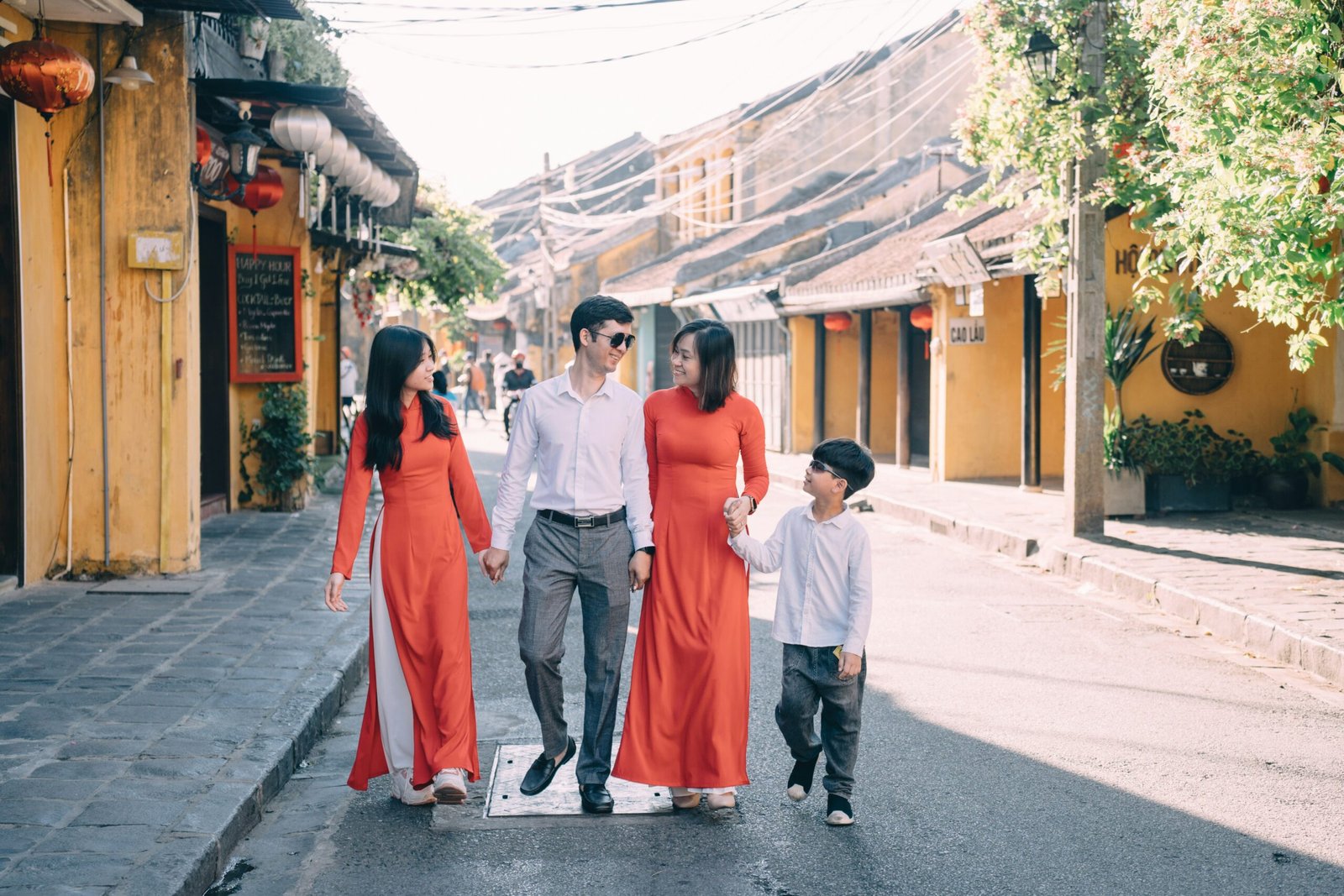
Stepping away from the home kitchen and gathering around a shared table offers a unique rhythm that everyday home dining cannot replicate. While cooking meals at home provides complete control over individual ingredients, sharing restaurant food creates a distinct atmosphere of relaxation and connection. People often associate dining out with heavy comfort foods or rigid schedules, but modern hospitality has evolved significantly to accommodate diverse lifestyles and dietary preferences. Whether sharing a casual meal in a bustling neighborhood bistro or reserving a table at an upscale hotel establishment, breaking bread together remains one of the simplest yet most rewarding ways to nurture relationships.
Cultivating Meaningful Connections Away From Domestic Chores
Cultivating meaningful connections away from domestic chores creates an unhurried environment where people can focus entirely on one another without daily tasks looming in the background. When hosts no longer need to worry about timing the stove or washing dishes immediately after the final bite, mental energy shifts naturally toward active listening and shared storytelling. This collective relaxation allows families and friends to catch up on important life updates, laugh over lighthearted memories, and celebrate personal milestones in a neutral, welcoming space. Furthermore, sharing a meal outside the home introduces groups to diverse cultural settings, allowing diners to experience different hospitality customs from across the globe.
Embracing Balanced Nutritional Choices in Modern Dining Rooms
Embracing balanced nutritional choices in modern dining rooms ensures that health-conscious guests never have to compromise flavor for wellness during group gatherings. Contemporary restaurant menus have expanded far beyond traditional heavy comfort foods to offer lighter, nutrient-dense choices that cater to diverse nutritional requirements, ranging from plant-based diets to gluten-free options and low-sodium preferences. Because professional kitchens train extensively in accommodating special requests, diners can enjoy flavorful meals without breaking their personal health goals. Guests can easily find venues that emphasize fresh seasonal vegetables, lean proteins, and balanced flavor profiles tailored to specific dietary needs.
| Dining Environment | Best Suited For | Key Advantage |
|---|---|---|
| Hotel Restaurants | Formal celebrations, business dinners, and visiting guests | Impeccable service standards and extensive global menus |
| Independent Local Bistros | Casual weekend catch-ups and family lunches | Unique neighborhood character and seasonal farm-to-table dishes |
| Specialty Dining Spots | Exploring specific culinary traditions or cultural cuisines | Authentic recipes and specialized ingredient sourcing |
Tailoring Atmosphere and Scale to Fit Group Dynamics
Tailoring atmosphere and scale to fit group dynamics depends directly on the size of the gathering, the special occasion, and the unique preferences of the people attending. Large family reunions often require spacious seating arrangements and noise levels that allow for easy cross-table conversation, making larger hotel dining rooms or family-style eateries ideal. Conversely, intimate gatherings among close friends might thrive in cozy neighborhood cafés or quiet independent bistros where the ambiance feels personal and relaxed. Taking the time to research venue layouts and seating policies ensures that everyone feels comfortable throughout the meal.
Savoring Expert Hospitality and International Beverage Pairings
Savoring expert hospitality and international beverage pairings elevates group dining by managing every detail of the meal with precision and attentive care. From guiding guests through complex seasonal menus to recommending appropriate beverage pairings, knowledgeable servers remove the stress of decision-making. Many establishments curate international beverage selections, including diverse wine lists featuring bottles from renowned wine regions across the world. This level of curated hospitality ensures that every guest feels pampered, allowing the focus to remain squarely on the company of friends and family.
Navigating Reservations, Special Requests, and Group Logistics
Navigating reservations, special requests, and group logistics involves clear communication regarding timelines, dietary restrictions, and bill-splitting preferences before arrival. Communicating headcount requirements to the venue well in advance prevents seating delays and allows kitchen staff to prepare for special requests properly. Establishing whether the group prefers separate checks or a shared bill beforehand also eliminates awkward moments at the end of the evening. Organizers who outline these practical details create a smooth, enjoyable outing for all participants.
For those interested in exploring broader domestic management topics or household legal considerations when organizing shared family events, looking into expert guidance on domestic legal matters can provide helpful peace of mind. Ultimately, stepping out to share a meal with loved ones enriches daily life by blending great food, attentive service, and lasting memories.
Frequently Asked Questions
What are the main social benefits of eating out with family and friends?
Dining out removes domestic distractions like cooking and cleaning, allowing people to focus entirely on conversation, connection, and creating shared memories in a welcoming environment.
How can modern restaurants accommodate guests with strict dietary restrictions?
Most contemporary dining establishments employ versatile culinary teams trained to modify dishes or offer dedicated plant-based, gluten-free, and allergen-friendly menu alternatives.
Are hotel restaurants better than local independent bistros for group gatherings?
Neither is objectively better; hotel restaurants typically offer larger spaces and formal service, while independent bistros provide intimate atmospheres and distinct neighborhood charm.
How far in advance should someone book a table for a large family gathering?
It is generally recommended to reserve tables at least one to two weeks in advance for large groups, especially during weekends or peak holiday seasons.
What is the best way to handle bill splitting during group meals?
Discussing payment preferences with the restaurant server before ordering or using digital payment apps among friends helps streamline the bill-settling process.
Do restaurants around the world offer similar hospitality standards?
While hospitality customs vary globally, high standards of guest service, menu flexibility, and welcoming atmospheres are universally prioritized in professional dining venues.
Disclaimer: Dining trends, restaurant availability, and menu offerings can vary by location and season. Readers should verify final operational details and reservation policies directly with official venue sources before planning group outings.

Daniel J. Morgan is the founder of Invidiata Magazine, a premier publication showcasing luxury living, arts, and culture. With a passion for excellence, Daniel has established the magazine as a beacon of sophistication and refinement, captivating discerning audiences worldwide.


[…] The Benefits Of Eating Out More With Your Friends & Family Members Anywhere In The World […]