

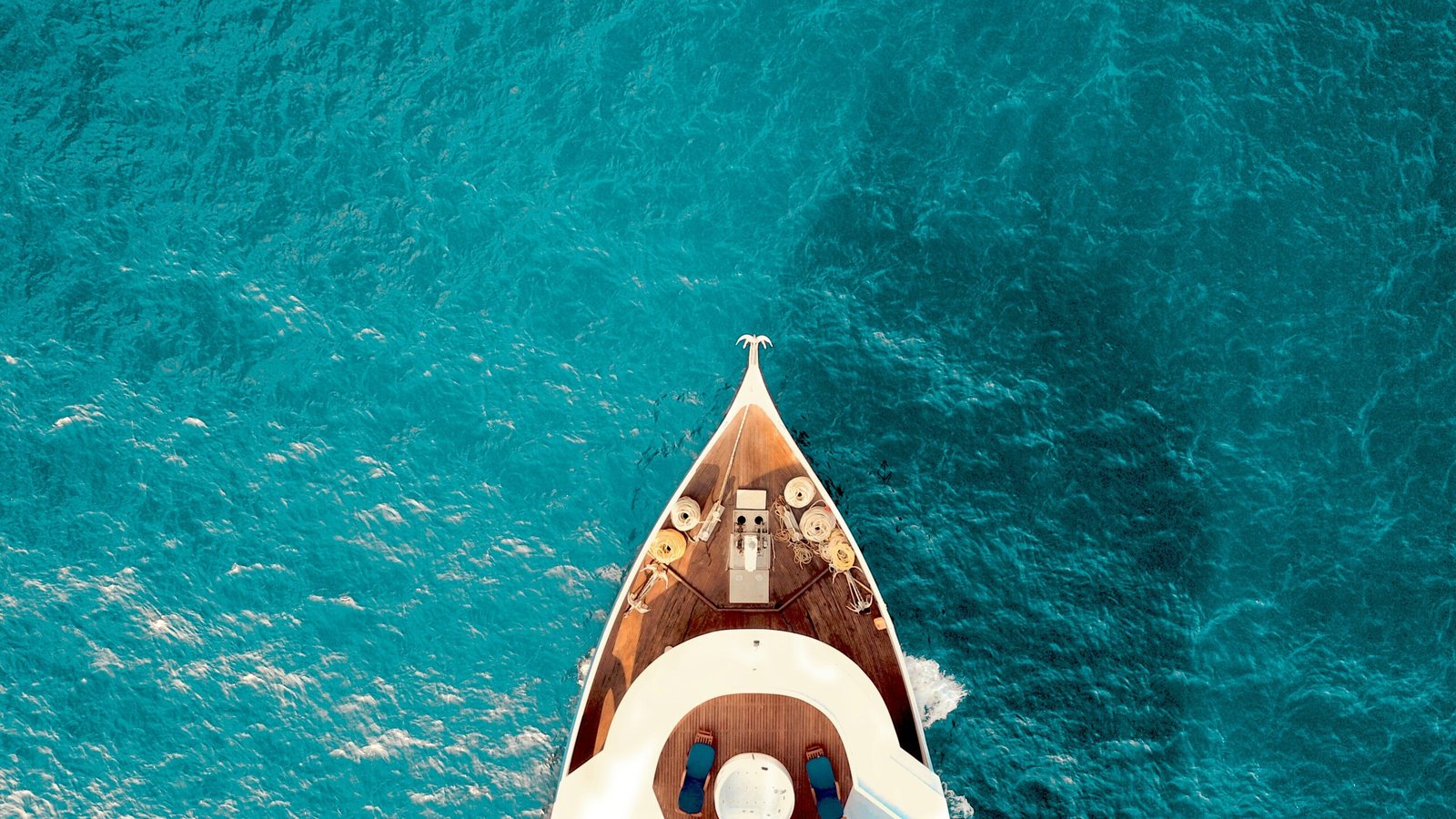
Thinking about living life on the water? A cruiser boat might just be the perfect mix of comfort and practicality for those leisurely coastal trips or exciting long-distance cruises. Dreamy, huh? But let’s get real for a second. A big question that pops up with this luxury lifestyle is, “How much is a yacht?”—especially when you decide between renting or buying one.
In this guide, we are diving deep into the financial realities of yacht ownership versus chartering for the 2026 market. We will help you weigh your options so you can figure out what fits your budget and nautical dreams.
Understanding Yacht Purchase Tiers and Capital Outlays
Purchasing a yacht involves capital outlays that range widely from an entry-level cruiser to a custom-built superyacht.
When looking at the purchase market in 2026, smaller pre-owned boats or entry-level motor yachts can start around a couple of hundred thousand dollars. Mid-size luxury vessels often range from $1 million to $5 million, while custom superyachts can easily surpass tens of millions of dollars. Several factors drive these figures, including the overall length, builder reputation, age, hull design, and onboard amenities.
Today, yacht builders are increasingly focusing on efficiency and sustainability. Many modern designs incorporate eco-friendly materials, hybrid propulsion systems, and advanced waste management features to align with contemporary environmental standards. Investing in these efficient technologies can also help mitigate long-term operational costs.
Navigating Yacht Rental Costs and Charter Rates
Renting a yacht provides ultimate flexibility and seasonal variety without taking on the long-term responsibilities of vessel ownership.
Day charters typically start at a few thousand dollars, while week-long journeys on luxury crewed yachts frequently range from $10,000 to over $100,000 depending on the destination and vessel size. Beyond the base charter fee, renters must budget for additional costs like the Advanced Provisioning Allowance for food and fuel, local dockage fees, and crew gratuity.
Whether you want a motor yacht for coastal speed or a traditional sailing yacht for quiet cruising, charter brokers offer endless choices. If you plan your travels around large bodies of water, renting can open up entirely new regional destinations just as easily as finding a well-situated 1 bedroom for rent when traveling inland.
Analyzing the Ongoing Operational Costs of Ownership
Owning a yacht requires ongoing financial commitment well beyond the initial purchase price.
Keeping a vessel in top-tier condition means paying for regular maintenance, hull painting, engine diagnostics, insurance, and slip rental fees. As a general rule of thumb, owners should expect to spend roughly 5% to 15% of the initial purchase price annually on maintenance and operational upkeep alone.
| Expense Category | Estimated Annual Cost |
|---|---|
| Routine Maintenance & Repairs | 5% to 15% of purchase price |
| Marina Slip & Dockage | Varies by location (thousands per year) |
| Marine Insurance | 1% to 3% of hull value |
| Crew Salaries (if applicable) | Dependent on crew size and vessel scale |
Exploring Fractional Ownership as a Cost-Saving Alternative
Fractional ownership offers a practical compromise for buyers who want equity in a vessel without shouldering the full financial burden.
This model allows multiple individuals to share the acquisition expenses, insurance, and maintenance costs while securing a set number of usage days each year. Professional management companies typically handle the day-to-day upkeep, ensuring the yacht remains pristine and ready for every co-owner.
Comparing Long-Term Value: Renting Versus Buying
Determining whether to rent or buy depends entirely on how many days per year you plan to spend on the water.
If you only charter a vessel for two weeks out of the year, renting is almost always the more economical choice. Buying only starts to make financial sense if you plan to use the yacht for months at a time or view it as a long-term lifestyle asset. Creating a detailed personal budget that covers both fixed and variable expenses will clarify your decision.
Frequently Asked Questions
How much does a basic yacht cost to buy?
Smaller used motor yachts or sailboats can start around $100,000 to $300,000, while new mid-range luxury models cost millions.
What is included in a standard yacht charter price?
The base charter fee usually covers the use of the vessel and the crew, but food, fuel, dockage, and tips are billed separately.
What is the Advanced Provisioning Allowance (APA)?
The APA is a separate deposit paid ahead of a charter to cover operating expenses like fuel, food, and port fees during your trip.
How much should I budget for annual yacht maintenance?
Industry experts generally recommend budgeting between 5% and 15% of the total purchase price every year for ongoing upkeep.
Is fractional yacht ownership a good investment?
Fractional ownership is not a financial investment that appreciates, but it is an effective way to lower the cost of enjoying luxury boat ownership.
How many days per year justifies buying a yacht?
Most marine financial advisors suggest that using a boat for more than 45 to 60 days a year makes purchasing more cost-effective than renting.
Disclaimer: Yacht prices, charter rates, and operational expenses fluctuate based on global economic conditions, fuel costs, and specific regional markets. Always consult professional brokers or financial advisors before making major nautical investments.


