

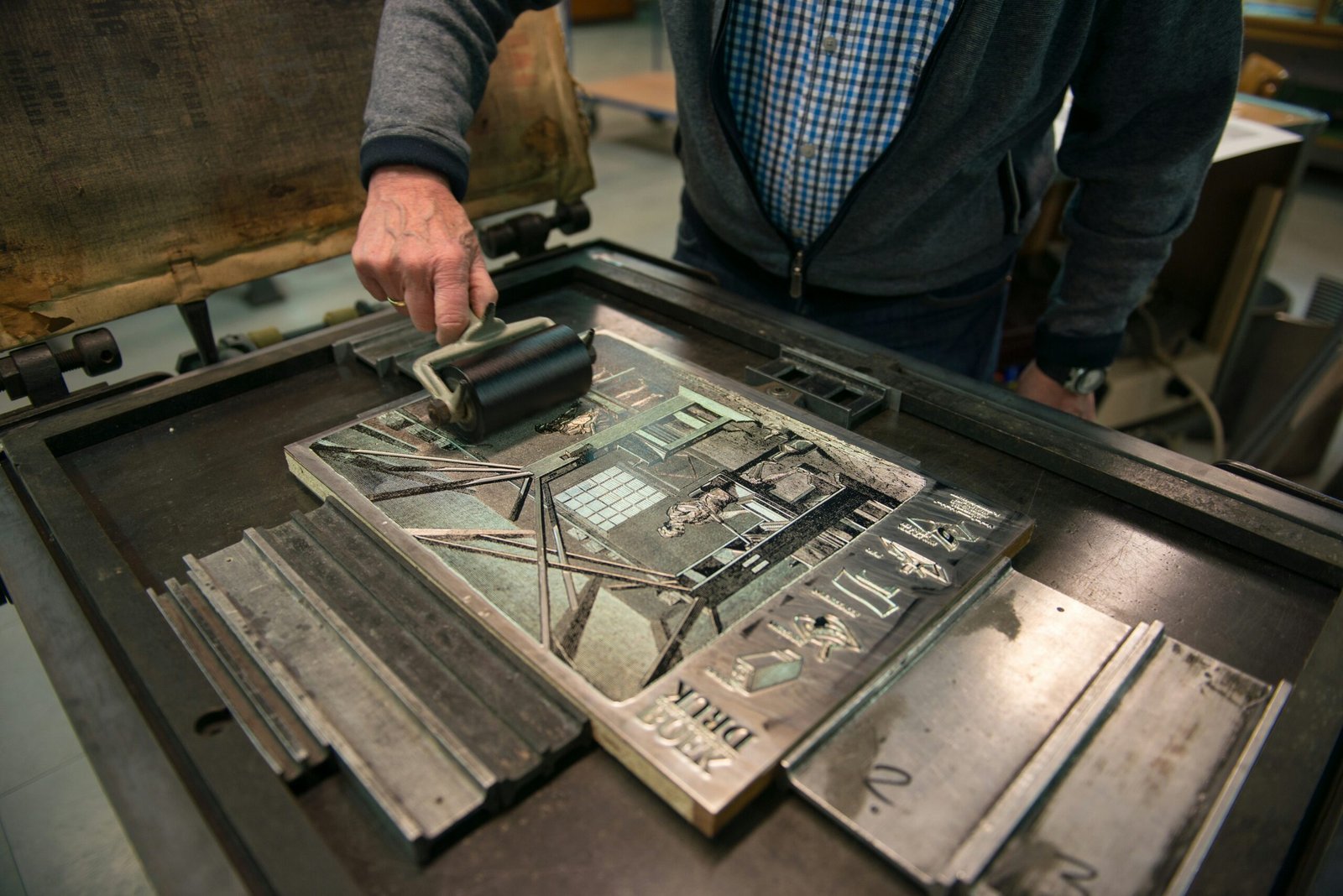
Photo by frank van der leer on Unsplash
Define Your Print Project Goals and Audience First
Establishing why clarifying the end-use and target audience prevents costly mismatches in scale and format before spending money.
Every single custom print piece serves a specific function in the physical world. A restaurant menu needs to endure spills and daily handling, while an art print requires archival paper to capture subtle color gradients. Before choosing finishes or uploading art files, map out how your audience will interact with the physical item. Identifying whether your collateral is destined for a quick trade show handout or a long-term corporate identity package determines your entire technical roadmap.
Choose the Right Stock, Finish, and Sustainable Materials
Goes beyond basic definitions to address how paper weights, coatings, and eco-friendly stock choices physically impact the final product.
Paper weight is measured in grams per square meter or pound cover stock, directly dictating rigidity and hand-feel. Matte finishes absorb ambient lighting to eliminate distracting glares on text-heavy brochures. Glossy coatings boost color saturation to make photographic elements pop. Modern printing workflows also embrace sustainable alternatives like recycled paper stocks and tree-free agricultural fibers, helping eco-conscious brands reduce their environmental footprint without sacrificing aesthetic appeal.
Prepare Print-Ready Files to Avoid Delays
Fills a major practical gap missing in the original text by explaining resolution requirements, CMYK color modes, and bleed lines.
Design files must be saved with strict attention to technical prepress standards. Exporting artwork in the CMYK color profile prevents unwanted color shifts that occur when converting from digital RGB screens. High-resolution raster elements require a minimum threshold of 300 dots per inch to eliminate pixelation. Extending background artwork past your trim lines into designated bleed zones ensures that minor cutting tolerances never leave unsightly white edges on your finished pieces.
Balance Cost and Quality with a Realistic Budget
Helps readers evaluate long-term value over the cheapest upfront quote, factoring in shipping, finishing, and rush fees.
Choosing the lowest possible quote often leads to compromises in stock thickness or color fidelity. Factor in all associated expenses, including shipping logistics, protective packaging, custom bindery finishes, and potential rush fees if your timeline tightens. Investing in higher-quality materials for core brand assets pays off in durability and professional impression over time, whereas smaller short-run digital batches suit temporary marketing campaigns.
Select a Reliable Printing Provider
Focuses on evaluating vendor capabilities, equipment reliability, and customer service history.
Your print partner acts as an extension of your creative team, making vendor selection critical to project success. Look for providers with proven equipment maintenance standards, robust customer service channels, and transparent proofing workflows. For broader insight into coordinating branded collateral across diverse product categories, reviewing custom promotional printing guidelines can help maintain visual consistency across all items.
Streamline Proofing and Communication
Highlights how using digital proofing tools and asking specific questions early prevents expensive misprints.
Modern digital proofing portals allow you to inspect virtual mockups down to the millimeter before presses start rolling. Clear communication regarding fold placements, perforation lines, and binding styles eliminates guesswork for production operators. Responding promptly to proof notifications keeps your production schedule moving forward without incurring costly downtime.
Plan Your Timeline to Avoid Rush Fees
Emphasizes scheduling milestones from design finalization to delivery to keep projects on track.
Starting your project early provides essential breathing room for revisions, soft proofs, and shipping transit times. Establish clear milestones for design sign-off, digital proof approval, and final delivery dates. Proactive scheduling prevents scrambling at the last minute and helps you bypass expensive expedited manufacturing fees.
Review Final Deliverables and Provide Constructive Feedback
Ensures accountability after delivery and sets up smoother workflows for future orders.
Inspect your delivered cartons immediately to evaluate color consistency across the entire batch, trimming accuracy, and stock thickness. Check finished bindery work such as saddle-stitching or perfect binding to verify structural integrity. Sharing constructive feedback with your vendor builds a stronger collaborative relationship and guarantees even better results on future print orders.
Frequently Asked Questions About Custom Printing
Directly answers common reader questions about file formats, minimum order quantities, and turnaround times.
What file format is best for custom printing?
Vector files like PDF, EPS, or AI are preferred because they scale without losing resolution, while flattened TIFF files work well for photography.
What is bleed in printing and why do I need it?
Bleed extends your background design past the trim edge to ensure no unwanted white borders appear if the cutting blade shifts slightly.
How long does a typical custom printing order take?
Standard turnaround times usually range from three to seven business days after digital proof approval, excluding freight transit time.
What is the difference between digital and offset printing?
Digital printing is ideal for short runs with quick setups, whereas offset printing offers superior color consistency on massive volume orders.
Should I always request a physical proof before full production?
Requesting a hard-copy physical proof is strongly recommended for high-stakes orders or critical brand colors, though digital proofs suit standard jobs.
Are minimum order quantities required for all custom prints?
Many modern digital presses accommodate low minimum order quantities, while specialty techniques often require higher minimums due to setup costs.
Disclaimer: Printing specifications, material availability, and production workflows can vary across different providers and industry standards. Readers should verify final technical requirements, pricing, and turnaround times directly with their chosen printing vendor before submitting official orders.


[…] For further guidance on optimizing your commercial merchandise specifications, you can check out our recommendations on maximizing your custom printing orders. […]