

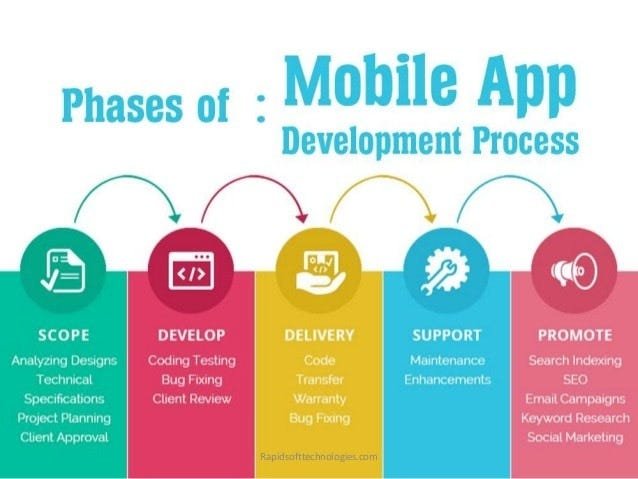
Mobile app development is a structured journey that bridges initial software concepts with reliable digital tools used daily on smartphones and tablets. Rather than following a rigid straight line, modern development workflows embrace iterative cycles where teams continuously refine features based on technical discoveries and user feedback. Understanding these core stages helps entrepreneurs and businesses navigate technical choices, budget allocations, and timelines more effectively.
In this guide, we break down the vital stages of creating a software application, highlighting modern considerations like framework selection, privacy compliance, and cross-platform architecture.
Validating Market Fit and Defining Core Objectives
Validating market fit and defining core objectives ensures that an application solves a genuine user problem before any code is written.
Founders and product managers begin by conducting competitor research, analyzing existing solutions, and pinpointing gaps in the current app marketplace. Brainstorming sessions should focus closely on target audience demographics, desired user behavior, and viable monetization strategies. Creating an initial scope of features helps distinguish absolute essentials for version one from optional enhancements reserved for future updates. Aligning these early assumptions with authentic market demand reduces financial risk and establishes a solid foundation for the entire project.
Selecting Technical Architectures and Scoping an MVP
Selecting technical architectures and scoping an MVP allows development teams to determine platform compatibility and control initial project budgets.
Architects must decide whether to build native apps optimized specifically for iOS and Android or adopt cross-platform frameworks that share common codebases across multiple operating systems. This stage also involves choosing appropriate cloud databases, backend infrastructure, and third-party APIs. By scoping a Minimum Viable Product, teams focus exclusively on core features required to deliver immediate utility, enabling faster market entry and early feedback collection. For deeper guidance on vetting technical partners during this phase, review what are the criteria for selecting the best mobile app development company.
Designing Engaging Interfaces and Prototyping User Flows
Designing engaging interfaces and prototyping user flows translates functional requirements into visual layouts that guide user behavior smoothly.
Designers start with low-fidelity wireframes to map out screen structures, button placements, and navigation flows without the distraction of colors or typography. These blueprints transform into clickable prototypes that allow stakeholders and early testers to experience the application flow firsthand. Implementing clean user experience design principles ensures that typography, color contrast, and touch targets remain accessible and visually engaging across diverse mobile screen sizes.
Coding Client-Side Interfaces and Server Backends
Coding client-side interfaces and server backends turns approved design mockups into a responsive, fully functioning digital tool.
Front-end developers build the visual screens and interactive elements that users touch and swipe, utilizing modern programming languages and component libraries. Simultaneously, back-end engineers construct secure databases, server logic, and application programming interfaces to handle user authentication, cloud synchronization, and external integrations like payment gateways. For specialized projects tracking commercial metrics, analyzing performance indicators early ensures long-term viability, as detailed in Real Estate Mobile App Development KPIs: Essential Metrics for Success.
Executing Quality Assurance and Rigorous Security Testing
Executing quality assurance and rigorous security testing identifies hidden bugs, prevents crashes, and safeguards sensitive user information.
Quality assurance specialists run functional tests across multiple device models to verify that every interactive element performs as specified. Performance testing evaluates how the software behaves under heavy network traffic or low-connectivity environments. Security audits examine data encryption standards, token storage, and vulnerability points to protect private user records before public distribution.
Preparing Store Submissions and Ensuring Privacy Compliance
Preparing store submissions and ensuring privacy compliance guarantees that the application meets all technical and legal standards required by major marketplaces.
Distributing software through official portals like Apple’s App Store and Google Play requires strict adherence to developer guidelines, metadata optimization, and promotional asset creation. Teams must also complete comprehensive privacy manifests and data safety disclosures detailing precisely how personal information is gathered and protected. Coordinating a targeted launch strategy helps build early momentum and encourages initial downloads.
Managing Post-Launch Maintenance and Ongoing Feature Updates
Managing post-launch maintenance and ongoing feature updates keeps the application secure, compatible with operating system upgrades, and competitive over time.
The software lifecycle continues well beyond its initial release date. Development teams must monitor real-time crash reports, review user feedback ratings, and deploy prompt patches to resolve minor glitches. Introducing fresh features in response to shifting market trends ensures the user base remains active and engaged.
Frequently Asked Questions
How long does the app development process typically take?
Timelines vary depending on project complexity, ranging from three to four months for a basic MVP to over a year for large-scale enterprise solutions with intricate backend requirements.
Should I choose native development or cross-platform frameworks?
Native development offers maximum hardware performance for a specific operating system, whereas cross-platform frameworks allow developers to deploy code to both iOS and Android simultaneously while reducing upfront costs.
What is a Minimum Viable Product in app development?
A Minimum Viable Product is the earliest functional release of an application containing only essential features, letting creators test concepts and gather genuine user feedback quickly.
Why is UI/UX design given so much emphasis?
Thoughtful design ensures that users can accomplish tasks without frustration, directly impacting customer retention rates, brand loyalty, and overall satisfaction.
What kind of maintenance is required after launch?
Post-launch maintenance includes fixing reported bugs, updating software libraries, adapting to new mobile operating system versions, and releasing periodic feature enhancements.
How do app stores review and approve submissions?
App marketplaces evaluate submitted packages against strict content policies, performance standards, and privacy protocols before making them available for public download.
Disclaimer: Mobile app development methodologies, platform guidelines, and technology standards evolve continuously. Readers should verify technical specifications, submission requirements, and project estimates with official platform documentation and qualified development professionals before finalizing plans.


[…] foundational workflow before you begin designing screen layouts, development teams often look at what are the key phases of mobile app development. Careful structural planning ensures that both the visual layout and the underlying functional flow […]
[…] entrepreneurs often benefit from reviewing foundational engineering milestones. You can explore essential mobile engineering stages to align your technical scope before writing […]