

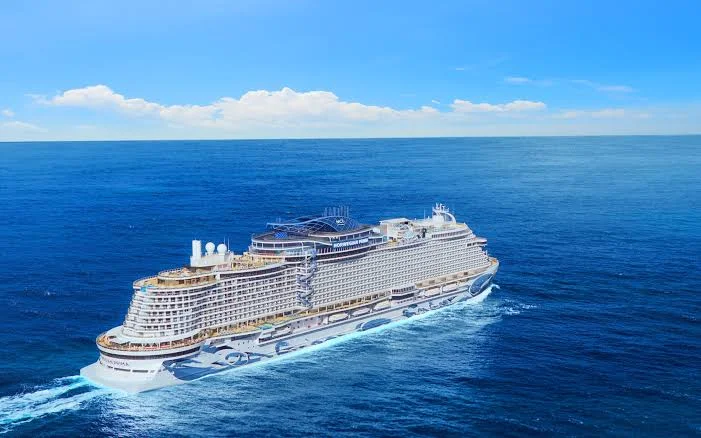
Stepping onboard a massive ocean liner opens up a self-contained maritime world unlike any traditional land-based resort. Because thousands of travelers live, dine, and relax in close physical proximity for days or weeks at a time, unspoken social norms matter deeply. Whether you are embarking on your very first cruise or you are a seasoned platinum-tier voyager, observing proper cruise etiquette keeps the communal atmosphere relaxed, respectful, and enjoyable for everyone sharing the ship with you.
Digital Check-Ins, App-Based Navigation, and E-Muster Drills
Modern cruise travel relies heavily on digital apps, virtual safety briefings, and online reservations that streamline life at sea. Before stepping foot on the gangway, passengers must complete online check-ins, select arrival windows, and complete app-based safety briefings often referred to as e-muster drills. Embracing these technological tools ensures that boarding moves efficiently for everyone involved. Cruise passengers should download the ship’s official mobile app well in advance to book specialty dining, shore excursions, and onboard shows without waiting in long physical lines. Additionally, managing Wi-Fi usage and keeping mobile phones on silent or airplane mode while attending live performances prevents unnecessary disruptions in quiet public areas.
Terminal Arrival Windows and Strict Port Departure Timelines
Punctuality on a cruise ship is not just a polite suggestion; it is an operational necessity that directly affects the entire vessel’s itinerary. Arriving at the cruise terminal during your assigned arrival window prevents severe congestion and ensures smooth security processing. When visiting ports of call, passengers must keep a close watch on the ship’s scheduled all-aboard time, which is strictly enforced by the captain. While spontaneous local shopping or sightseeing is fun, returning to the ship late forces the vessel to wait or leave passengers behind at the pier. Furthermore, respecting local customs, dressing modestly when required by cultural sites, and treating local vendors with kindness reflects positively on all travelers visiting international destinations.
Managing Sun Deck Seating and Multi-Story Elevator Flow
Cruise ships function like floating cities where thousands of people share limited square footage, making common-area courtesy essential. Pool decks are particularly high-traffic zones, and most cruise lines actively discourage chair hogging by removing towels left unattended on loungers for extended periods. Passengers should share sunbathing areas fairly and avoid reserving prime seating while spending hours elsewhere on the ship. In elevators, step aside to let exiting guests leave before pushing forward, and avoid packing cabs beyond safe weight limits. Keeping common lounges and open-air decks clean by disposing of trash responsibly keeps the maritime environment pleasant for everyone onboard.
Dining Room Protocols, Buffet Hygiene, and Formal Dress Standards
Navigating shipboard dining requires balancing personal appetite with strict hygiene and dress standards. Main dining rooms and specialty restaurants often enforce specific dress codes ranging from smart casual to formal evening attire, so packing according to the itinerary guidelines is vital. At the self-serve buffet, passengers should always use the provided fresh plates rather than reusing dirty ones, never touch food directly with their bare hands, and supervise children closely to maintain food safety. If you have severe food allergies or specific dietary restrictions, communicate them clearly to the maître d’ or your dedicated dining room server on the first night rather than expecting last-minute accommodations during peak service hours.
Stateroom Insulation, Balcony Etiquette, and Late-Night Quiet Hours
Cruise ship cabin walls are notoriously thin, meaning personal noise levels directly impact neighboring staterooms. Passengers should avoid slamming cabin doors, keep television and music volumes moderate, and refrain from shouting across the hallways late at night. When enjoying private stateroom balconies, keep conversations at a respectful volume and never throw trash, cigarette butts, or loose items overboard into the ocean. Observing these quiet hours ensures that every guest gets restful sleep after a long day of excursions and onboard entertainment.
Automated Service Charges and Recognizing Exceptional Crew Dedication
Hardworking cruise staff members work long, demanding contracts to deliver exceptional hospitality and memorable vacations. Most cruise lines automatically charge daily service fees to passenger accounts, which are distributed among cabin stewards, dining personnel, and behind-the-scenes crew members. Beyond automatic gratuities, handing an extra cash tip to a dedicated room steward or favorite bartender for outstanding service is always deeply appreciated. Furthermore, if you are planning future celebratory events or looking for specialized leisure ideas once you return to land, exploring resources like helpful ideas for planning social gatherings can help you host memorable gatherings with the same attention to detail.
Sanitation Stations, Handwashing Habits, and Illness Prevention
Maintaining rigorous personal hygiene in an enclosed maritime environment protects the health and well-being of all passengers and crew. Wash your hands thoroughly with soap and water before entering dining venues, and utilize the automated hand sanitizer dispensers stationed prominently at restaurant entrances. If you begin experiencing symptoms of illness such as a fever, cough, or stomach bug, isolate in your cabin immediately and notify the ship’s medical center. Taking prompt personal responsibility during minor health episodes prevents widespread outbreaks and keeps the entire ship healthy.
Frequently Asked Questions
What should I wear for formal nights on a cruise?
Formal nights typically require evening wear such as cocktail dresses, pantsuits, suits, or jackets with ties, though specific requirements vary by cruise line.
Can I save pool lounge chairs with my towel?
Most cruise lines have strict anti-hogging policies and crew members will remove unattended towels and belongings if chairs are left vacant for too long.
What happens if I return late to the ship at a port of call?
The ship is not obligated to wait for late passengers, and you will be responsible for your own travel expenses to meet the vessel at the next port.
Are automatic gratuities mandatory on cruises?
Automatic daily service charges are standard across major cruise lines, though guests can adjust them at guest services if they experience exceptional or unsatisfactory issues.
Do I still need to attend a traditional safety drill?
Most modern cruise lines utilize e-muster drills where passengers review safety information on their smartphones and check in at their designated assembly station.
How can I avoid getting sick on a cruise ship?
Frequent handwashing, using hand sanitizer stations before entering buffets, and reporting any early symptoms to medical staff are the best prevention steps.
Disclaimer: Cruise line policies, operational guidelines, dress codes, and gratuity structures are subject to change. Always verify final instructions directly with your cruise operator before departure.

Passionate content writer and savvy blog publisher, Aamir crafts compelling stories and insightful articles that captivate and inform. With a knack for blending creativity and strategy, they bring fresh perspectives to every piece. Dive into their world of words and discover content that resonates.


