

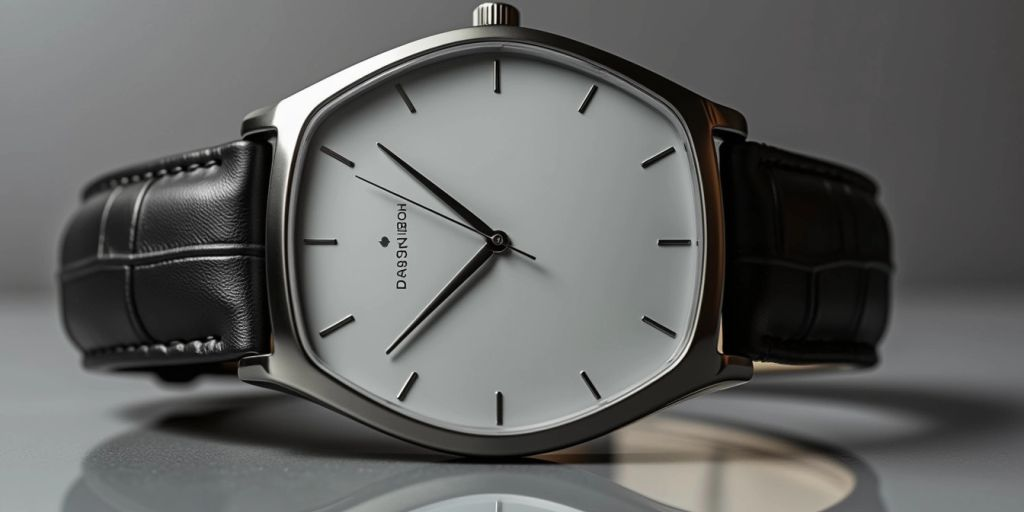
Wristwatches have changed a lot over time, evolving from simple tools for telling time to stylish accessories that many people love to wear. This article will take you through the fascinating history of wristwatches, showing how they became important in both function and fashion.
The Early Roots of Personal Timekeeping
The early roots of personal timekeeping trace back to heavy sundials, water clocks, and eventually portable mechanical pocket watches. Timekeeping has been around for thousands of years, helping people understand the daily passage of time long before personal wristwear existed. Early devices were large, stationary, and unsuited for daily travel, which drove inventors to shrink mechanical components. The need for a more convenient way to tell time eventually led engineers to design smaller springs and gears that could fit inside portable cases.
World War I and the Practical Shift to the Wrist
World War I served as the primary catalyst that shifted pocket watches onto the wrists of everyday men. During trench warfare, soldiers found pulling a pocket watch out of a waistcoat pocket entirely impractical while managing weapons and navigating rough terrain. Military officers began strapping modified pocket watches to their wrists using leather bands for quick coordination during synchronized attacks. Following the conclusion of the war, returning veterans brought this practical habit back home, permanently transforming wristwatches into an accepted standard of men’s fashion.
The Quartz Revolution and the Birth of Modern Precision
The quartz revolution of the late 1960s completely disrupted traditional mechanical watchmaking by introducing battery-powered precision. Seiko introduced the revolutionary Astron in 1969, marking the world’s first commercial quartz wristwatch and changing global manufacturing forever. Before this breakthrough, mechanical watches required manual winding and were subject to friction and environmental shifts. Seiko and other manufacturers made timekeeping drastically more accurate, reliable, and accessible to the general public through affordable quartz movements.
| Watch Movement Type | Power Source | Primary Advantage |
| Mechanical | Mainspring | Artisan craftsmanship and longevity |
| Quartz | Battery | High accuracy and low maintenance |
| Solar / Kinetic | Light or motion | Eco-friendly sustainable power generation |
Design Eras: When Watches Became Fashion
Design movements like Art Deco in the 1920s and 1930s turned functional timepieces into striking wearable art pieces. This aesthetic emphasized geometric symmetry, clean lines, and luxurious materials that appealed directly to fashion-conscious buyers. Heritage luxury houses such as Cartier, Tiffany & Co., and Rolex embraced these shifts by crafting exquisite statement jewelry and durable sports models. These brands successfully proved that a watch could simultaneously serve as high-end jewelry, a dependable tool, and an undeniable marker of personal identity.
The Digital Shift and the Smartwatch Era
The digital shift introduced LED displays in the 1970s and eventually paved the way for advanced smartwatches that track biometrics and deliver instant notifications. Modern smartwatches now feature always-on OLED displays, continuous heart rate monitoring, electrocardiogram sensors, and GPS navigation directly on the wrist. This technological leap expanded the definition of a watch from a passive timekeeper into an active personal health assistant and communication hub.
The Modern Watch Landscape: Tradition Meets Technology
The modern watch market features a fascinating duality where high-tech smartwatches coexist with a massive resurgence of classic mechanical timepieces. Younger generations increasingly appreciate traditional mechanical craftsmanship, valuing heritage, tactile winding, and sustainable longevity over disposable digital electronics. Furthermore, contemporary watchmakers are exploring sustainable materials like recycled ocean plastics, lightweight titanium alloys, and scratch-resistant ceramics to reduce environmental impact. For readers interested in how craftsmanship and personal presentation intersect across different accessories, it is also worth exploring how individuals curate their wardrobes and explore the versatile world of belts in fashion to complete a polished, intentional look.
Frequently Asked Questions About Modern Watches
What is the history of wristwatches?
Wristwatches evolved from pocket watches and gained widespread popularity during World War I because soldiers needed a more practical way to check time in battle.
How did Seiko change watchmaking?
Seiko introduced the first commercial quartz wristwatch in 1969, which dramatically improved timekeeping accuracy and lowered production costs across the global industry.
What role do watches play in fashion today?
Watches function as personal status symbols, artistic statements, and functional accessories that reflect an individual’s personal style and taste.
What are the main differences between mechanical and quartz watches?
Mechanical watches rely on intricate wound springs and gears, whereas quartz watches use a battery and a quartz crystal to maintain superior timekeeping accuracy.
Why are luxury watches considered good investments?
High-end luxury watches often retain or appreciate in value due to limited production numbers, precious materials, and master craftsmanship from heritage brands.
What materials are commonly used in modern watchmaking?
Modern watches utilize stainless steel, gold, platinum, sapphire crystal, technical ceramics, and sustainable materials like recycled composites.
Are smartwatches replacing traditional watches?
While smartwatches dominate everyday fitness and connectivity needs, traditional mechanical and quartz watches remain highly popular for fashion, collection, and formal wear.
Disclaimer: Watch industry trends, pricing details, and technological specifications change over time. Readers should verify final product details, authentications, and specifications directly from official manufacturer sources before making purchasing decisions.


[…] mechanical integrity in other personal accessories—such as admiring the evolution of design in precision engineered wristwear collections—today’s racing gear represents a pinnacle of meticulous material […]