

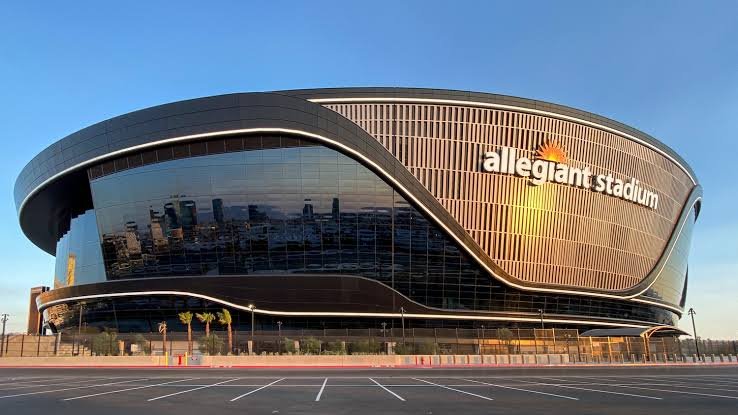
The Super Bowl remains an unmatched cultural spectacle, drawing massive television audiences and severe consumer demand year after year. As ticket prices routinely command five figures on the open market, prospective buyers frequently debate whether purchasing seats can function as a viable financial asset. Evaluating Super Bowl tickets as an investment requires looking past the excitement of the game to examine primary distribution limits, secondary market fluctuations, and the harsh economic reality of perishable entertainment.
Decoding the NFL Primary Distribution and Allocation Model
Securing face-value admission directly from the league is nearly impossible for the average football fan due to strict corporate and franchise allocations.
The National Football League divides the vast majority of its seating inventory among the two participating franchise organizations, league sponsors, broadcast partners, and premium hospitality vendors, leaving only a fraction for a randomized public lottery. This restricted supply forces everyday enthusiasts and speculators alike to source their seats entirely through secondary ticket marketplaces or official hospitality bundles.
Official packages handled through authorized providers bundle game entry with upscale hotel accommodations and pre-game entertainment. While these bundled options ensure complete authenticity, their high starting costs create an immediate financial barrier. Any buyer hoping to resell these packages must clear an exceptionally high monetary threshold simply to break even after platform commissions and transaction fees.
How Secondary Marketplaces Drive Dynamic Pricing and Volatility
Resale platforms utilize real-time dynamic pricing algorithms that cause ticket values to swing wildly based on current news and team matchups.
Major secondary exchanges like StubHub, SeatGeek, and Vivid Seats reflect immediate shifts in consumer demand, geographic travel feasibility, and franchise fan base sizes. When two powerhouse franchises with massive, travel-ready fan bases advance to the championship, resale values climb aggressively. Conversely, if qualifying teams are located far from the host region, ticket prices often soften as travelers weigh steep airfare and lodging expenses against the ticket cost itself.
Industry veterans who monitor ticketing trends note that market momentum can shift abruptly in the final week before kickoff. Modern digital platforms also enforce strict mobile transfer limitations and delayed delivery schedules, which add significant logistical hurdles for independent sellers attempting quick arbitrage trades.
Examining Historical Resale Wins and Speculative Losses
Past championship games offer clear evidence that treating game admission as a speculative vehicle carries substantial financial danger.
For example, high-demand games hosted in easily accessible metropolitan venues have occasionally seen ticket values peak dramatically in the days leading up to the opening whistle. On the other hand, unanticipated shifts in public interest or expensive travel logistics have left amateur speculators holding expensive inventory that ultimately sold below face value.
Unlike traditional equities or real estate holdings that can be held long-term during a market downturn, a football ticket possesses absolute zero value the moment the opening kickoff occurs. This complete perishability introduces a severe risk profile that conventional financial portfolios actively avoid.
Comparing Ticket Speculation Against Traditional Portfolio Assets
Purchasing high-priced event admissions fails every fundamental test of sound portfolio management because tickets generate zero dividend income and lack intrinsic capital appreciation.
When structuring long-term capital allocation, conservative investors typically rely on liquid instruments or diversified assets, similar to strategies outlined when analyzing the role of technology in modern investment management. In contrast, tying up thousands of dollars in a single entertainment experience exposes capital to sudden risks like player injuries, weather disruptions, or unexpected economic shifts.
Furthermore, physical or digital ticket inventory incurs heavy seller commissions and payment processing fees across resale networks. True investment vehicles prioritize steady compound growth and risk mitigation, whereas purchasing championship seating relies entirely on short-term emotional hype and consumer spending power.
| Asset Category | Liquidity Options | Yield or Income | Primary Risk Factor |
|---|---|---|---|
| Public Equities & Funds | High (Instant Trades) | Dividends and Growth | Market Volatility |
| Physical Real Estate | Low (Months to Sell) | Rental Revenue & Gains | Carrying & Maintenance Costs |
| Event Ticket Speculation | Extremely Low (Deadline Bound) | None (Resale Margin Only) | Total Loss at Kickoff |
Navigating Secondary Market Fraud and Consumer Safeguards
Buyers entering the open resale market must exercise extreme caution to avoid counterfeit listings, digital transfer scams, and unauthorized scalping practices.
Utilizing reputable marketplaces with verified delivery guarantees and secure escrow services protects purchasers from fraudulent digital transfers. Additionally, local laws governing ticket resale vary by jurisdiction, making it essential to understand regional regulations before attempting any independent ticket brokerage.
Frequently Asked Questions
Can regular fans buy face-value Super Bowl tickets?
General public access to face-value tickets is severely restricted because the National Football League allocates the vast majority of seats directly to teams, corporate sponsors, and league partners.
What determines the resale price of a Super Bowl ticket?
Resale prices are driven primarily by the participating teams, the loyalty and travel willingness of their fan bases, the host stadium capacity, and overall media hype.
Are Super Bowl tickets considered a safe financial investment?
No, tickets are perishable entertainment experiences rather than sound investments, carrying high volatility and the risk of total loss if unsold by kickoff.
How do secondary platforms protect buyers from fraud?
Reputable resale marketplaces offer secure mobile ticket transfers, verified delivery guarantees, and customer support to ensure valid entry into the venue.
When is the best time to buy tickets on the secondary market?
Pricing fluctuates constantly based on demand, but waiting until the days leading up to the game can sometimes reveal price drops if sellers panic over unsold inventory.
Do ticket brokers guarantee a profit on Super Bowl seats?
Professional and amateur brokers frequently face losses when market demand falls short of expectations or when travel costs deter buyers from attending.
The Final Takeaway on Championship Ticket Value
Super Bowl tickets should be approached strictly as a luxury entertainment purchase rather than a legitimate financial asset.
While experiencing the championship game in person offers immense personal fulfillment for dedicated football supporters, viewing those seats as a portfolio investment exposes buyers to extreme volatility and potential total capital loss. Readers should evaluate their personal entertainment budgets carefully before committing funds to high-priced game tickets.
Disclaimer: Ticket availability, pricing trends, and league distribution policies change frequently. Readers should always verify final purchase details, seating layouts, and transfer rules directly through official National Football League channels or authorized ticketing partners before completing any transaction.

Passionate content writer and savvy blog publisher, Aamir crafts compelling stories and insightful articles that captivate and inform. With a knack for blending creativity and strategy, they bring fresh perspectives to every piece. Dive into their world of words and discover content that resonates.


