

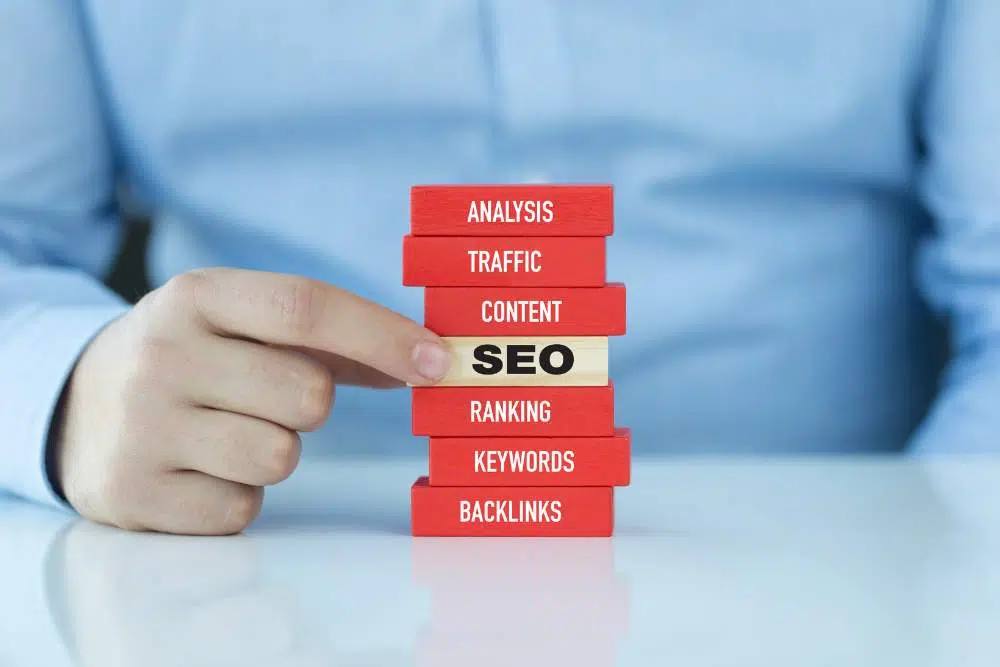
Search engine optimization requires a fundamental shift away from temporary tricks toward resilient strategies that survive algorithm updates. Sustainable SEO practices replace temporary shortcuts with ethical, long-term frameworks designed to withstand algorithmic turbulence and AI-driven search shifts. Organizations striving for stable growth must look beyond immediate ranking spikes and prioritize a resilient digital foundation.
What Is Sustainable SEO and Why Does It Matter Now?
Sustainable SEO refers to optimization methodologies built to endure continuous search engine algorithm updates and shifting user habits without risking manual penalties. As search engines integrate complex machine learning models and conversational interfaces into result pages, traditional keyword-matching hacks fail to secure durable visibility. Adopting sustainable SEO practices ensures that a brand remains discoverable even as algorithms change their ranking criteria. This approach values long-term stability over fleeting traffic surges that evaporate the moment a web filter rolls out.
Focus on E-E-A-T: The Core of Modern Content Quality
Demonstrating firsthand experience and genuine professional expertise protects online assets against algorithm volatility and shifting ranking criteria. Modern search evaluation frameworks inspect whether published articles are produced by individuals with real-world experience or verified expertise in their respective industries. Publishing generic summaries or thin automated text no longer satisfies user queries or competitive ranking systems. Every published piece should offer distinct insights, cite reliable sources, and address user intent comprehensively. Building a credible online footprint often benefits from exploring targeted digital marketing growth techniques that establish deep topical authority within specific sectors.
Designing for User Experience and Modern Search Intent
Satisfying user intent and providing a frictionless on-site journey keeps visitors engaged and signals relevance to search engines. A sustainable strategy evaluates what a searcher truly wants when entering a specific query, whether they require an informational guide, a product comparison, or a transactional landing page. Beyond text, technical usability elements like mobile responsiveness, clear typography, and logical site architecture dictate whether a visitor stays or bounces. When users find information quickly and effortlessly, dwell time increases and negative engagement signals drop significantly.
Technical Foundations That Stand the Test of Time
A robust technical infrastructure ensures that search engine crawlers can efficiently discover, index, and understand website content. Sustainable technical optimization involves maintaining clean site structures, using proper canonical tags, and implementing structured data markup to provide context for search engines. Core Web Vitals performance benchmarks, including page loading speed and visual stability, directly impact user satisfaction and search visibility. Rather than chasing every minor technical adjustment, site administrators should focus on clean code, secure HTTPS protocols, and accessible file structures.
Earning Natural Authority Through Authentic Digital PR
Securing backlinks from reputable external websites requires genuine relationship-building, valuable original research, and authentic digital public relations outreach. Search engines view natural, contextually relevant backlinks as votes of confidence from the wider web community. Paying for low-quality guest post placements or participating in artificial link schemes violates search engine policies and invites manual actions. Sustainable link acquisition takes patience because it depends on creating content resources that other industry professionals naturally want to reference and share.
Common Sustainable SEO Pitfalls to Avoid
Avoiding common optimization traps prevents unintended ranking declines and protects brand reputation across search engines. Many website operators stumble by over-optimizing anchor text, publishing thin automated content at scale, or ignoring mobile performance metrics. Another frequent mistake is treating search optimization as a one-time project rather than an ongoing maintenance process. Sustainable visibility requires continuous auditing, updating outdated information, and adapting to shifting audience behaviors.
| Optimization Pillar | Short-Term Tactics (Black Hat) | Sustainable SEO Practices |
|---|---|---|
| Content Creation | Keyword stuffing and spun automated text | Experience-focused, original, and deeply informative assets |
| Link Acquisition | Purchasing directory links and paid guest posts | Earned digital PR, industry networking, and natural citations |
| Technical Health | Hidden text and cloaking to manipulate crawlers | Clean site architecture, schema markup, and fast page speeds |
Frequently Asked Questions
What makes SEO sustainable?
Sustainable SEO relies on ethical, user-centric techniques that comply with search engine guidelines and deliver long-term value, avoiding risky shortcuts.
How long does it take to see results from sustainable SEO?
Because sustainable SEO focuses on building organic authority and trust, measurable improvements typically take several months of consistent effort.
Why are paid links dangerous for SEO?
Search engines explicitly prohibit buying links to manipulate rankings, and discovery of paid link networks often results in severe ranking penalties.
What role does E-E-A-T play in sustainable strategies?
Demonstrating experience, expertise, authoritativeness, and trustworthiness ensures that content meets modern quality thresholds and withstands algorithm updates.
Is technical SEO necessary for long-term rankings?
Yes, a sound technical foundation ensures search engine bots can crawl and index your pages effectively while delivering a fast experience for visitors.
How often should website content be updated?
Content audits should occur regularly, with updates applied whenever industry facts change, new data emerges, or user intent shifts.
Disclaimer: Digital marketing and search engine algorithms change frequently. The strategies outlined here reflect current industry standards, but website operators should verify final optimization guidelines directly through official search engine documentation.

Passionate content writer and savvy blog publisher, Aamir crafts compelling stories and insightful articles that captivate and inform. With a knack for blending creativity and strategy, they bring fresh perspectives to every piece. Dive into their world of words and discover content that resonates.


[…] To further expand overall online visibility and sustain long-term rankings, many operators adopt sustainable search practices for modern brands that prioritize clean link acquisition over risky […]