

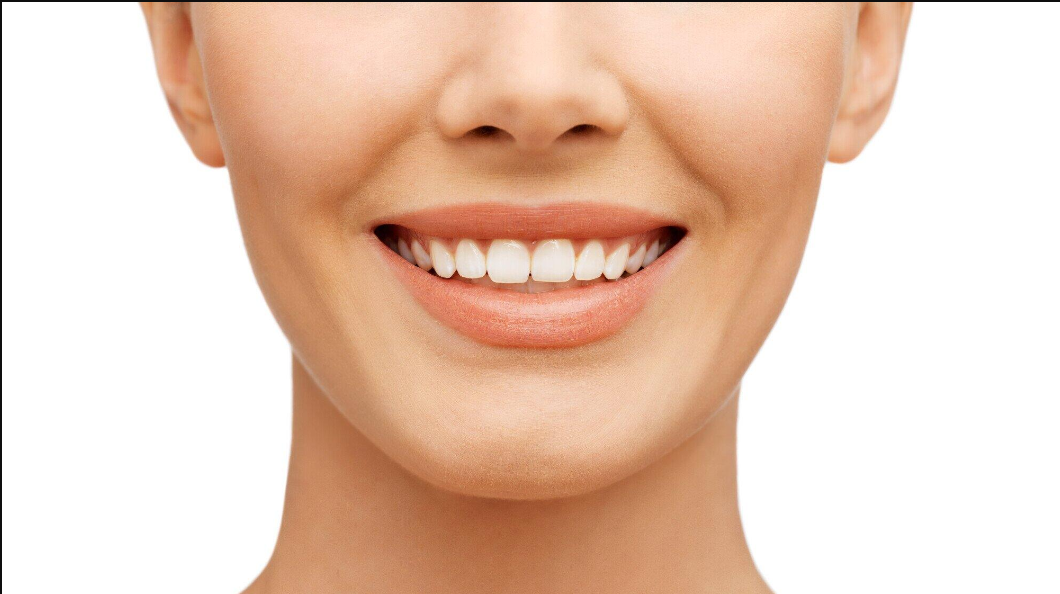
Achieving a balanced and radiant smile requires looking at both the color of your enamel and the physical alignment of your dental arches. Many people pursue cosmetic improvements solely for special occasions, yet the long-term advantages extend deep into daily oral function. Integrating targeted whitening methods with proper alignment corrections addresses both surface stains and structural bite issues simultaneously.
When you plan these treatments thoughtfully, you protect your gums, reduce abnormal tooth wear, and gain lasting peace of mind. Knowing how these distinct dental procedures work together helps you approach your personal oral health journey with clarity and realistic expectations.
How Lifestyle Habits and Enamel Thinning Cause Visible Tooth Discoloration
Teeth whitening directly targets stubborn chromogens and surface stains that accumulate on tooth enamel over many years of eating and drinking.
Dark beverages like black coffee, concentrated tea, and red wine contain intense pigments that bond easily with dental plaque. Over time, these compounds seep into microscopic pores within the outer enamel layer. In addition to beverages, habits such as smoking or chewing tobacco introduce tar and nicotine deposits that create deep yellow or brown tinges.
Beyond external foods and lifestyle factors, natural biological aging also plays a significant role in how teeth look. As people get older, outer enamel gradually wears down through normal chewing friction. This thinning process exposes the yellowish dentin layer underneath, which makes the entire smile appear dull even if you brush and floss religiously. Professional whitening gels and supervised home kits use active peroxide agents to break down these pigmented molecules safely without wearing away the underlying structure.
Why Properly Aligned Teeth Protect Against Plaque Buildup and Gum Disease
Teeth straightening does much more than create a neat cosmetic appearance; it forms the foundation of lifelong periodontal health.
When teeth are severely crowded or crooked, they overlap in ways that make daily brushing and flossing difficult. These tight, hidden spaces trap food debris and harbor harmful bacterial plaque that regular bristles cannot reach easily. Over months and years, this trapped buildup hardens into tartar, increasing the risk of localized tooth decay and chronic gum inflammation.
Furthermore, correct alignment distributes your natural bite force evenly across every single tooth. Misaligned bites often force certain teeth to absorb excessive pressure during chewing, which leads to accelerated enamel erosion and painful jaw muscle tension. Straightening your dental arches creates smooth surfaces that are simple to clean while safeguarding your jaw joints from unnecessary strain.
| Treatment Category | Primary Dental Goal | Typical Applied Methods |
|---|---|---|
| Teeth Whitening | Lifting external and deep-set stains | In-office bleaching, custom tray kits, whitening strips |
| Teeth Straightening | Correcting bite mechanics and crowding | Clear aligners, ceramic brackets, traditional braces |
Selecting the Right Combination of Professional Care and At-Home Maintenance
Choosing appropriate treatment options requires balancing personal aesthetic goals with the structural needs of your jaw and gums.
For brightening your shade, patients can choose between rapid in-office laser treatments or gradual custom-fitted whitening trays used at home. For correcting spacing or bite irregularities, modern orthodontics offers discreet transparent aligners alongside dependable traditional braces. Consulting with a qualified dental practitioner ensures that your treatment sequence is safe and effective. If you are seeking professional guidance nearby, you can find expert care for a healthy smile through established local clinics.
The Psychological and Social Advantages of a Confident Smile
A bright and balanced smile significantly enhances your self-assurance during everyday social and professional interactions.
When individuals feel completely secure about how their teeth look, they tend to smile more naturally and engage openly in conversations. This positive body language often encourages favorable responses from peers and colleagues, reinforcing personal self-esteem. Investing in comprehensive oral aesthetics is therefore a meaningful step toward overall mental well-being.
Long-Term Maintenance Strategies for Sustaining Your Dental Results
Maintaining your bright and straight smile after treatment demands consistent daily hygiene and regular dental checkups.
Wearing prescribed retainers faithfully prevents teeth from shifting back toward their original misaligned positions. Additionally, limiting staining beverages and practicing prompt brushing after meals helps preserve your fresh tooth shade for years. Regular professional cleanings remove stubborn tartar before it can compromise your hard-earned results.
Frequently Asked Questions
Can I whiten my teeth while actively wearing clear aligners?
Dentists generally advise completing whitening treatments either before or after your orthodontic timeline to ensure uniform shade absorption across every tooth.
How long do professional in-office whitening results typically last?
Results often remain visible for one to three years depending on your dietary habits, tobacco use, and daily brushing consistency.
Are clear aligners equally as effective as traditional metal braces?
Clear aligners work exceptionally well for mild to moderate crowding cases, whereas complex skeletal bite corrections still require traditional fixed braces.
Does professional teeth whitening cause permanent tooth sensitivity?
Temporary sensitivity can happen during whitening procedures, but it normally subsides quickly after treatment concludes or through using specialized desensitizing toothpaste.
Can straightening my crooked teeth improve my speech patterns?
Correcting severe spacing gaps or severe bite malocclusions can eliminate speech impediments caused by improper tongue placement against misaligned teeth.
How frequently should I clean my teeth during orthodontic treatment?
You should brush thoroughly after every meal and floss daily to keep food particles from getting trapped around brackets or aligner attachments.
Disclaimer: This article provides general educational information about dental aesthetics and should not substitute for professional medical advice. Individual oral health needs vary, so always consult a licensed dental professional before starting any new treatment plan.


