

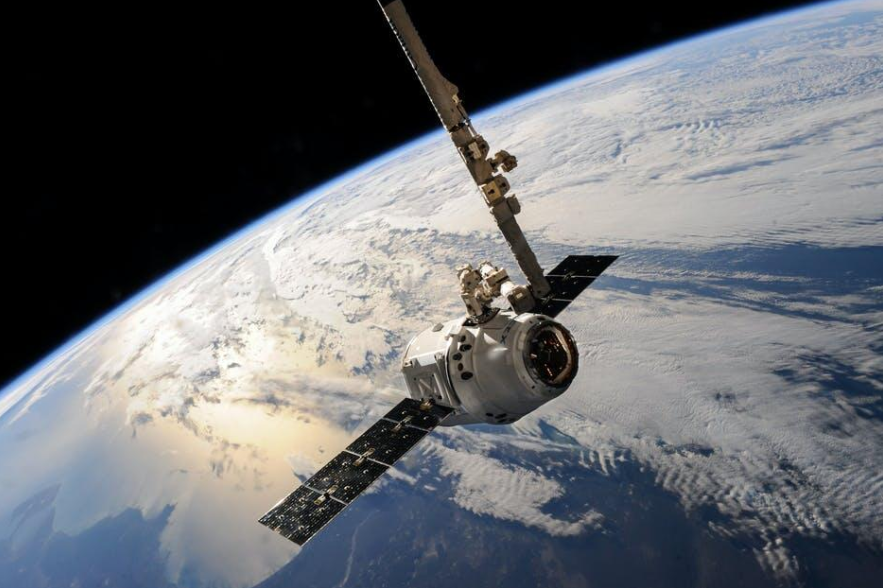
In modern engineering and technology development, GNSS (Global Navigation Satellite System) simulators have become indispensable instruments across multiple industries. These specialized tools provide a reliable method for testing and refining satellite-dependent products before they ever encounter real-world operating conditions.
A GNSS simulator acts as a virtual emulation of real satellite navigation systems such as GPS, GLONASS, Galileo, and BeiDou. These devices generate radio frequency signals that precisely mimic those broadcast by actual orbiting satellites, giving development teams a controlled and repeatable environment to evaluate hardware and software performance.
How Orbital Trajectories and Signal Propagation Are Emulated
GNSS simulators replicate orbital behavior by calculating exact satellite positions and modeling complex signal propagation factors in real time.
These sophisticated devices generate multi-frequency and multi-constellation RF signals that account for atmospheric delays, orbital errors, and ephemeris data. By utilizing advanced digital signal processors, a GNSS simulator can recreate the exact radio frequency environment that a receiver would experience anywhere on Earth, or even in low Earth orbit. This precision ensures that developers can evaluate navigation equipment under exact mathematical parameters.
Advantages of Benchtop Emulation Over Live Sky Trials
Key engineering benefits of a GNSS simulator include complete repeatability, edge-case generation, and significant reductions in physical prototype testing costs.
Relying solely on live sky testing presents major logistical hurdles because natural signal conditions cannot be paused, repeated, or manually altered. When utilizing a GNSS simulator, engineers can replay exact test scenarios as many times as needed to isolate software bugs or hardware flaws. This capability is especially critical for projects that incorporate enterprise artificial intelligence software to manage complex logistical networks where continuous tracking precision is non-negotiable.
Furthermore, physical field testing often requires expensive vehicles, specialized travel, and extensive time commitments. A GNSS simulator eliminates these heavy logistical burdens by allowing benchtop testing of receivers under any imaginable geographic trajectory or weather condition.
Simulating Hostile Radio Frequency Interference and Spoofing
Addressing modern threats like jamming, spoofing, and signal interference requires a controlled testing environment that only a GNSS simulator can provide.
Global navigation receivers today face numerous external disruptions, ranging from unintentional urban multipath interference to deliberate malicious spoofing attacks. Engineers must design robust defense mechanisms into aviation, maritime, and automotive navigation units to ensure they maintain lock or recover quickly when attacked. A high-grade GNSS simulator allows developers to introduce controlled RF interference profiles, simulating hostile electronic warfare environments without breaking local telecommunication laws or risking live assets.
Operational Readiness and Emergency Procedures Training
Beyond initial research and development, a GNSS simulator serves as a critical asset for safe user training and operational readiness.
Organizations in aviation, maritime shipping, and defense sectors use these simulation platforms to train operators on how to respond to sudden navigation failures. Pilots and ship captains can practice handling emergency scenarios, such as total GPS signal loss or severe spoofing events, in a risk-free simulator cabin. This hands-on preparation ensures operational personnel remain calm and proficient when unexpected navigation challenges arise in the field.
Hardware-in-the-Loop Integration and Receiver Benchmarks
Choosing the right simulation setup depends heavily on required channel counts, supported frequency bands, and integration capabilities with hardware-in-the-loop systems.
Engineering teams must evaluate whether they need single-frequency benchtop units or multi-channel, multi-frequency systems capable of simulating complex vehicular dynamics. Compatibility with existing software-in-the-loop and hardware-in-the-loop test benches is another vital consideration, ensuring that the simulator communicates seamlessly with other diagnostic tools. Selecting appropriate hardware guarantees that the investment accommodates both current product requirements and upcoming multi-constellation navigation standards.
Frequently Asked Questions
What is the primary function of a GNSS simulator?
A GNSS simulator generates artificial radio frequency signals that emulate real navigation satellite constellations to test receivers in a controlled laboratory setting.
Can a GNSS simulator replicate multi-path interference?
Yes, advanced simulators can model signal reflections from buildings, terrain, and other physical obstructions to test how a receiver handles urban canyon environments.
Why is simulated testing preferred over live field testing?
Simulated testing provides complete repeatability, cost reduction, safety when testing edge cases, and the ability to test scenarios that cannot be safely reproduced outdoors.
What industries benefit most from using these simulators?
Automotive, aerospace, maritime, defense, and surveying industries rely heavily on GNSS simulators to validate high-precision navigation and timing hardware.
How does a simulator help test against spoofing?
A simulator injects false navigation data and distorted timing signals into a receiver, allowing engineers to measure how well the device detects and resists spoofing attempts.
Are GNSS simulators used for software testing as well?
Yes, they integrate into hardware-in-the-loop and software-in-the-loop testing frameworks to validate embedded navigation algorithms and firmware updates continuously.
Disclaimer: The information provided in this article is for educational and informational purposes only. Technology specifications and testing standards evolve continuously, so readers should verify final technical details and product requirements directly with official equipment manufacturers and industry standards bodies.


