

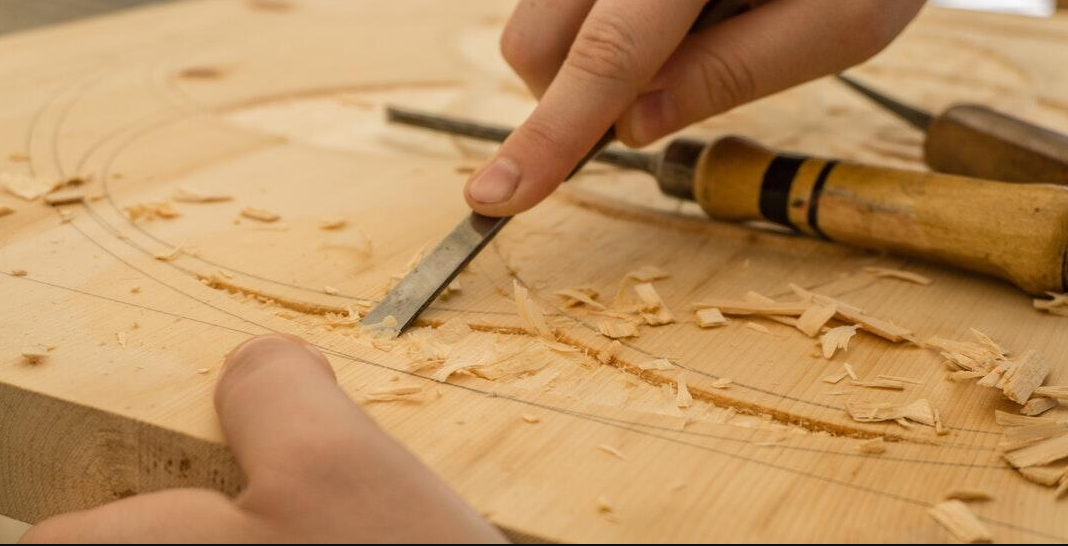
Equipping a dedicated workspace involves balancing available floor space, electrical demands, and the exact types of furniture or cabinetry you plan to build. Selecting reliable wood carpentry machines forms the mechanical foundation of any functional shop, allowing both weekend hobbyists and professional makers to process rough lumber with absolute precision. Understanding how each heavy-duty tool contributes to cutting, flattening, shaping, and boring ensures that your investments directly improve both the quality of your finished builds and your daily operational safety.
1. Table Saw: The Primary Engine for Dimensional Ripping
A stationary or contractor-grade table saw operates as the central powerhouse of a woodworking shop because it handles straight-line ripping, crosscutting, and joinery prep with unmatched speed. The spinning circular blade protrudes through a precision-machined cast-iron or steel top, allowing operators to guide raw timber firmly against an adjustable rip fence for exact dimensional cuts. Whether you are breaking down large hardwood panels or cutting precise dado joints for cabinet carcasses, the table saw delivers the straight reference edges required for assembly. Maintaining a safe workflow demands using push sticks, a reliable blade guard, and protective eyewear during every cutting pass.
2. Bandsaw: Contoured Profiles and Heavy Stock Resawing
A vertical bandsaw utilizes a continuous flexible steel loop riding on two balanced wheels to execute smooth curved cuts and thick timber resawing that circular blades cannot accomplish. The narrow blade profile lets makers navigate intricate patterns, circles, and organic contours with high directional control. When fitted with a dedicated resaw fence and a wide, coarse-tooth blade, the machine easily splits thick logs or heavy lumber into thin, book-matched veneers. Operators must constantly monitor proper blade tension and guide bearing alignment while wearing safety glasses and maintaining a firm hold on the stock.
3. Jointer: Establishing True Flat Reference Faces and Edges
A benchtop or floor-standing jointer removes natural warps, cups, and twists from raw lumber to establish the perfectly flat reference faces and square edges essential for fine furniture making. By passing a rough board across the infeed and outfeed tables over a spinning cutterhead, the machine shears away high spots to leave a flawless flat plane. Passing a freshly jointed edge against a table saw fence subsequently guarantees that your glued panel assemblies and edge-to-edge joints fit together seamlessly. Safety protocols dictate keeping hands firmly on magnetic push blocks and wearing appropriate eye and hearing protection.
4. Drum Sander: Calibrated Thickness Control for Wide Panels
A drum sander automates the tedious surface-smoothing process for wide tabletops, cutting boards, and glued-up panels that exceed the width capacity of standard portable sanders. The machinery features an adjustable abrasive-wrapped cylinder suspended above a motorized conveyor belt that slowly feeds wood panels beneath the spinning grit. This configuration eliminates manual sanding fatigue while preventing localized gouges or uneven thickness across expansive wooden surfaces. Operators need to feed stock cautiously in shallow passes while wearing safety goggles and keeping loose clothing far from the moving drum.
5. Router Table: Precision Edge Shaping and Decorative Joinery
A router table secures a handheld router motor upside down underneath a flat work surface, converting a portable tool into a stable station for custom edge profiling and joinery. By guiding wooden stock past a spinning carbide bit protruding through the tabletop, makers can effortlessly cut tongue-and-groove joints, decorative trim, and rabbet profiles. Controlling the feed direction against the rotation of the cutting bit prevents burning and guarantees tear-out-free results. Safety measures require keeping fingers clear of the cutting zone, utilizing featherboards for downforce, and wearing protective eyewear throughout the operation.
6. Drill Press: Perpendicular Boring and Exact Depth Repeatability
A heavy-duty drill press anchors bits in a vertical alignment that eliminates the angular wobble and depth inconsistencies typical of handheld cordless drills. The adjustable metal work table and rigid vertical column allow woodworkers to bore clean, perfectly perpendicular holes required for dowel joinery, hardware installation, and mortising attachments. Setting the mechanical depth stop enables operators to drill dozens of identical holes in rapid succession without risking over-penetration. Securing stock with heavy clamps and wearing safety glasses are mandatory steps to protect against workpiece rotation if a bit binds.
Strategic Shop Layout: Prioritizing Your Machinery Investments
Deciding which machines to acquire first requires balancing your workshop footprint, electrical supply limits, and the specific nature of your woodworking projects. Starting with a reliable table saw and a drill press provides immediate capability for cutting and boring dimensional lumber. As your budget and spatial layout allow, incorporating surface-prep equipment like a jointer and a drum sander significantly elevates the refinement of your final builds. Assessing motor horsepower ratings, dust collection port compatibility, and mobile base requirements will keep your garage or commercial shop efficient and hazard-free. For related guidance on managing workshop tasks efficiently, see our resource on optimizing daily operational workflows.
Frequently Asked Questions
What is the absolute first machine a woodworker should buy?
A table saw is widely considered the most essential first investment because it handles ripping, crosscutting, and basic joinery tasks required for almost any project.
Can I use a bandsaw instead of a table saw?
While a bandsaw excels at curves and resawing, it does not provide the perfectly straight, smooth fence cuts required for precise cabinet and furniture assembly.
Why do I need a jointer if I already have a planer?
A jointer flattens at least one reference face and edge, whereas a thickness planer only makes the opposite side parallel to whatever face is already flat.
How much space do I need for these wood carpentry machines?
Space requirements vary, but mobile bases or benchtop models allow hobbyists to fit a complete set of core machinery into a standard garage workshop.
Do I need a dust collection system for my workshop?
Yes, robust dust collection keeps your air breathable, prevents fine sawdust from fouling machine motors, and maintains clean lines of sight during cuts.
What safety gear is mandatory when operating carpentry machinery?
Safety glasses or goggles, hearing protection, and properly fitted clothing without loose sleeves or dangling jewelry are required at all times.
Are benchtop machines as powerful as floor models?
Benchtop models offer smaller footprints and lower power output, making them ideal for light work, whereas stationary cast-iron machines handle heavy, continuous commercial production.
Disclaimer: Woodworking machinery specifications, pricing, and safety regulations can change over time. Always verify current operating instructions, manufacturer warranties, and safety guidelines directly from official product manuals before using any power tool.


