

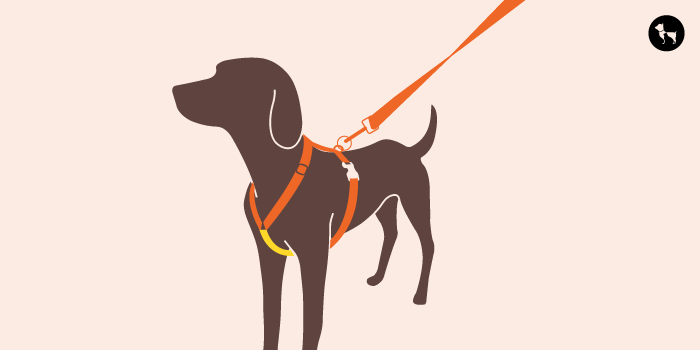
Introduction to Canine Restraints and Ergonomics
Dog harnesses offer a supportive, comfortable alternative to traditional neck collars by spreading leash pressure across the entire canine chest and torso. Traditional neck collars can place sudden stress on a dog’s delicate throat structures, which often leads to coughing, gagging, or long-term tracheal irritation. By distributing pulling force evenly across the skeletal frame, dog harnesses protect sensitive respiratory areas and give pet owners significantly better physical leverage.
The rising preference for dog harnesses stems from their ability to improve overall walking control and simplify outdoor training sessions. Whether navigating crowded neighborhood streets or working through reactive leash behaviors, pet handlers find that proper harness usage reduces sudden strain. Selecting the correct design and fitting it properly ensures that daily walks remain safe, comfortable, and enjoyable for both pets and their owners.
Analyzing Structural Categories and Attachment Points
Different styles of dog harnesses serve distinct walking and training objectives based on where the leash attaches to the garment.
| Harness Style | Primary Attachment Point | Best Suited For |
|---|---|---|
| Back-Clip Harness | D-ring positioned on the upper back | Relaxed walkers, small dogs, and casual strolls |
| Front-Clip Harness | D-ring positioned on the center chest | Strong pullers, training sessions, and redirection |
| Dual-Clip Harness | Both chest and back D-rings | Versatile handlers needing adjustable control options |
| Step-In Harness | Buckles secured along the back | Dogs sensitive to items passing over their heads |
Back-clip harnesses are simple to slip on and keep the leash entirely out of a dog’s legs, making them a comfortable choice for casual outings. Front-clip harnesses redirect forward momentum back toward the handler whenever the dog surges ahead, acting as a natural physical deterrent to pulling. Dual-clip models combine both options, letting owners switch attachment points as training progresses. Step-in designs eliminate overhead handling entirely, offering a stress-free dressing experience for anxious pets.
Anatomical Protection and Escape Prevention Advantages
Dog harnesses provide major anatomical advantages and escape-prevention benefits that traditional neck collars simply cannot match. Distributing pressure evenly across a wider surface area protects the cervical spine and throat from sudden jerks or impact forces. This reduction in localized pressure is especially critical for brachycephalic breeds such as Pugs and French Bulldogs, whose delicate airways are highly vulnerable to neck strain.
Beyond physical health, dog harnesses offer superior escape deterrence compared to standard collars. Many dogs can easily back out of a loose collar when frightened by sudden loud noises or traffic sounds. A properly fitted dog harness wraps securely around the chest and ribcage, making it nearly impossible for a startled animal to slip backward and break free during an outdoor excursion.
Sizing Metrics, Materials, and Vehicle Travel Standards
Proper sizing requires taking precise measurements of your dog’s chest girth at its widest point and the base of the neck. Always check the specific sizing chart provided by the manufacturer, as sizing standards vary widely between different brands. Beyond basic dimensions, material choice matters significantly for daily comfort. Breathable mesh fabrics work exceptionally well for warm summer weather by preventing overheating, while heavy-duty nylon webbing offers robust durability for rugged outdoor adventures. Reflective stitching integrated into the straps also adds a vital layer of visibility during early morning or nighttime walks.
For automotive travel, pet owners should look into specialized crash-tested options that meet recognized safety standards, such as those established by the Center for Pet Safety. Standard walking harnesses are rarely rated to withstand the immense physical forces of a vehicular collision. Securing your pet with a certified crash-tested restraint system ensures maximum protection during unexpected stops or accidents on the road.
Positive Reinforcement Strategies for Equipment Acclimation
Introducing a dog harness requires patience and positive reinforcement to ensure your companion views the gear as a positive experience. Begin by placing the dog harness on the floor and letting your pet sniff and investigate it freely while offering high-value treats and praise. Once your dog shows positive curiosity, gently drape the harness over their back for a few seconds without fastening any buckles. Gradually progress to securing the straps during short indoor practice sessions before attempting your first outdoor walk. Building positive associations early prevents leash anxiety and helps your dog feel calm and confident.
Identifying Fit Failures and Configuration Pitfalls
Avoiding common fitting and handling errors ensures your dog stays comfortable and secure throughout every walking session. Purchasing an improperly sized dog harness is one of the most frequent mistakes pet owners make; a garment that is too tight can cause painful friction sores, while a loose fit invites escape attempts. Selecting the wrong harness clip configuration for a high-energy puller can also cause ongoing frustration during training. Always match the equipment style directly to your dog’s specific behavioral tendencies and body shape.
Hardware Maintenance and Inspection Protocols
Regular safety checks and routine maintenance keep your dog harness functioning reliably over years of daily use. Inspect the nylon webbing weekly for signs of fraying, chewing damage, or weakened stitching. Check plastic quick-release buckles and metal D-rings for cracks, rust, or stiffness that could compromise security under tension. Never leave a dog harness on an unattended pet indoors, as loose straps can catch on furniture or crates and create serious hazards.
For more comprehensive advice on managing everyday routines and domestic schedules, you can also explore our guide on essential office cleaning checklist practices adapted for home organization.
Frequently Asked Questions
How tight should a dog harness fit?
A properly fitted dog harness should be snug against the body without restricting movement or breathing. You should be able to slide two fingers comfortably underneath all straps.
Can dogs wear a harness all day long?
No, dogs should not wear harnesses continuously inside the house. Prolonged wear can trap moisture, cause skin irritation, or lead to matting in long-haired coats.
Are back-clip or front-clip harnesses better for pullers?
Front-clip harnesses are generally much better for pullers because the chest attachment redirects their forward momentum back toward you, making it easier to manage strong dogs.
How do I measure my dog for a harness?
Use a flexible soft tape measure to record the circumference of your dog’s chest right behind the front legs, followed by the base of the neck where a collar normally sits.
Can a dog slip out of a harness?
Yes, if a dog harness is adjusted too loosely or is the wrong style for the dog’s body proportions, an agile dog can potentially back out of it.
Should puppies wear harnesses instead of collars?
Puppies benefit greatly from harnesses because their developing neck structures and tracheas are extremely sensitive to the sudden jarring forces common with traditional neck collars.
Disclaimer: This guide is intended for informational purposes only and does not replace professional veterinary advice or certified animal training instruction. Always consult a qualified veterinarian or professional trainer regarding specific behavioral or health concerns for your pet.

Passionate content writer and savvy blog publisher, Aamir crafts compelling stories and insightful articles that captivate and inform. With a knack for blending creativity and strategy, they bring fresh perspectives to every piece. Dive into their world of words and discover content that resonates.


