

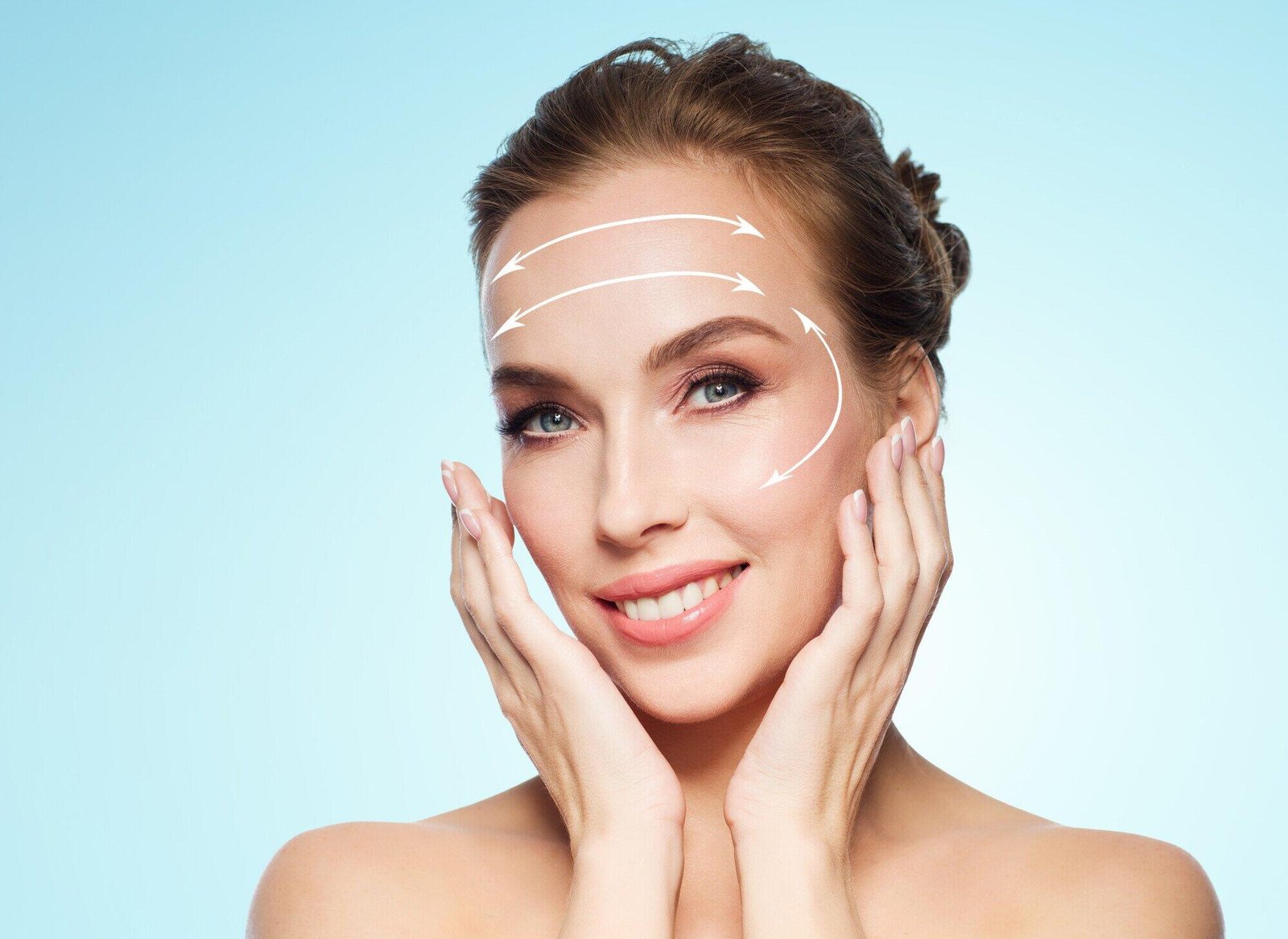
Cosmetic procedures continue to evolve, offering more targeted and refined ways to address aging facial features along the jawline. As technology advances, options range from specialized clinical treatments to supportive at-home care routines designed to preserve facial contour.
Understanding these specific choices helps individuals make informed decisions about their aesthetic goals. Modern clinical practices emphasize tissue precision, minimal downtime, and natural-looking outcomes. Let us examine how modern techniques address lower facial aging.
Understanding Lower Facial Aging and Structural Shifts
Jowls form as a direct result of interconnected changes in skin laxity, facial fat descent, and underlying bone resorption over time. Understanding these structural layers allows practitioners to select appropriate interventions rather than relying on a single method for every patient. Different procedures target different depths of the tissue, ranging from superficial skin tightening to deeper structural repositioning.
As skin loses collagen and elastin, gravity pulls down unsupported tissue along the jawline. Modern cosmetic techniques aim to counteract this descent by either stimulating new collagen production, repositioning internal structures, or adding strategic volume to restore balance. Consulting a board-certified professional is essential for determining which tissue layer requires the most attention.
Advanced Minimally Invasive Thread Lifts
Thread lifting utilizes dissolvable medical-grade sutures inserted beneath the skin to mechanically lift and support sagging jowl tissue. Over time, these specialized threads stimulate natural collagen production, which helps maintain the lifted appearance even after the material dissolves. The procedure requires only local anesthesia and offers a relatively short recovery window compared to full surgical facelifts.
Patients typically experience mild swelling or bruising for a few days following a thread lift, making it a popular option for those seeking immediate mechanical repositioning without extensive downtime. Results generally last between one and three years, depending on individual skin aging rates and collagen response.
Focused Ultrasound and Laser Skin Tightening
Energy-based devices offer another popular pathway for non-surgical rejuvenation through targeted thermal stimulation. Focused ultrasound therapy, widely known by brand names like Ultherapy®, utilizes micro-focused ultrasound energy to heat deep tissue layers beneath the surface. This targeted thermal stimulation triggers a healing response that encourages fresh collagen and elastin synthesis over several months.
Similarly, advanced laser skin tightening treatments apply specific wavelengths of light energy to warm the dermal layers, smoothing out mild to moderate laxity along the jawline. These non-invasive methods require zero downtime and allow individuals to resume normal daily activities immediately after treatment, though optimal tightening often requires a series of sessions.
Autologous Fat Transfer and Jawline Volume Restoration
Regenerative options such as fat grafting restore lost facial volume to create a smoother transition along the jawline. This procedure involves harvesting autologous fat from another part of the body, purifying it, and carefully injecting it into strategic areas around the cheeks and jowls. By replenishing depleted volume, fat transfer can soften the appearance of hanging jowls and recreate a more youthful facial contour naturally.
While fat grafting does not remove excess skin, it fills in hollow areas that accentuate sagging. This regenerative approach provides long-lasting results because the transferred fat cells establish a new blood supply in their recipient site. Patients seeking a subtle, organic enhancement often prefer this method over synthetic dermal fillers for restoring mid-face and lower-face fullness.
Traditional Surgical Interventions for Advanced Laxity
Traditional surgical interventions remain the gold standard for individuals experiencing severe skin laxity and deep tissue descent. While non-surgical modalities work well for mild to moderate concerns, advanced aging often requires physical removal of excess skin and tightening of the underlying muscular layer known as the SMAS. A conventional facelift or dedicated lower rhytidectomy provides the most dramatic and permanent correction for pronounced jowls.
Choosing surgery involves careful consideration of recovery timelines, potential risks, and financial investment. Bruising, swelling, and a structured healing period are standard aspects of surgical recovery. However, the longevity of surgical results frequently outweighs the temporary downtime for candidates whose structural aging exceeds what non-invasive technology can correct.
The Role of Facial Exercises in Maintenance
Facial exercises serve as a supportive lifestyle habit for maintaining general muscle tone rather than acting as a direct replacement for clinical procedures. Dedicated regimens involving specific facial movements can improve localized circulation and support overall skin health. However, these routines cannot reverse structural collagen loss, eliminate severe skin laxity, or mechanically lift descended jowl fat.
Integrating healthy skin care routines, sun protection, and balanced nutrition helps preserve the results achieved through professional treatments. Think of at-home maintenance as a companion to clinical care rather than a standalone cure for structural aging. Combining sensible daily habits with professional guidance yields the most sustainable outcome over time.
Personalized Treatment Planning and Consultations
Selecting the ideal jowl lift technique depends on individual factors such as age, skin elasticity, budget, and personal tolerance for downtime. A mild degree of laxity may respond well to ultrasound therapy or thread lifts, while significant tissue descent often necessitates surgical evaluation. Consulting an experienced cosmetic specialist ensures that treatment plans match realistic expectations and anatomical needs.
Furthermore, many modern treatment plans combine multiple modalities for comprehensive facial harmony. For instance, a patient might pair energy-based skin tightening with volume restoration to address both surface texture and structural support simultaneously. Evaluating all available options with a qualified professional minimizes risks and maximizes satisfaction.
Frequently Asked Questions
What is the recovery time for a non-surgical jowl lift?
Most non-surgical treatments like ultrasound therapy or laser sessions require little to no downtime, allowing individuals to resume normal daily activities immediately. Thread lifts may involve a few days of mild swelling or bruising.
How long do the results of a thread lift last?
Results from a thread lift typically last between one and three years, depending on individual skin aging rates and how effectively the body stimulates new collagen around the threads.
Can facial exercises get rid of jowls completely?
Facial exercises can strengthen underlying muscles and improve circulation, but they cannot eliminate sagging jowls caused by significant skin laxity and structural aging.
Is Ultherapy painful?
Patients may feel a warm, tingling sensation or brief discomfort while the ultrasound energy is delivered into the deep tissue layers, but practitioners often use numbing creams to manage sensitivity.
Who is an ideal candidate for fat grafting?
An ideal candidate is someone experiencing volume loss in the face who desires natural-looking structural support using their own harvested fat cells rather than synthetic fillers.
How do I know if I need surgery instead of a non-invasive lift?
Severe skin laxity and deep tissue sagging usually require surgical intervention for meaningful improvement, whereas mild to moderate aging responds well to minimally invasive methods.
Where can I learn more about cosmetic procedures?
For more on operational changes in business management, see our guide on innovations in business management which discusses industry growth trends.
Disclaimer: This article is for informational purposes only and does not constitute medical advice. Cosmetic procedures carry inherent risks and varying results. Always consult a qualified, board-certified medical professional to discuss personalized options before undergoing any treatment.


