

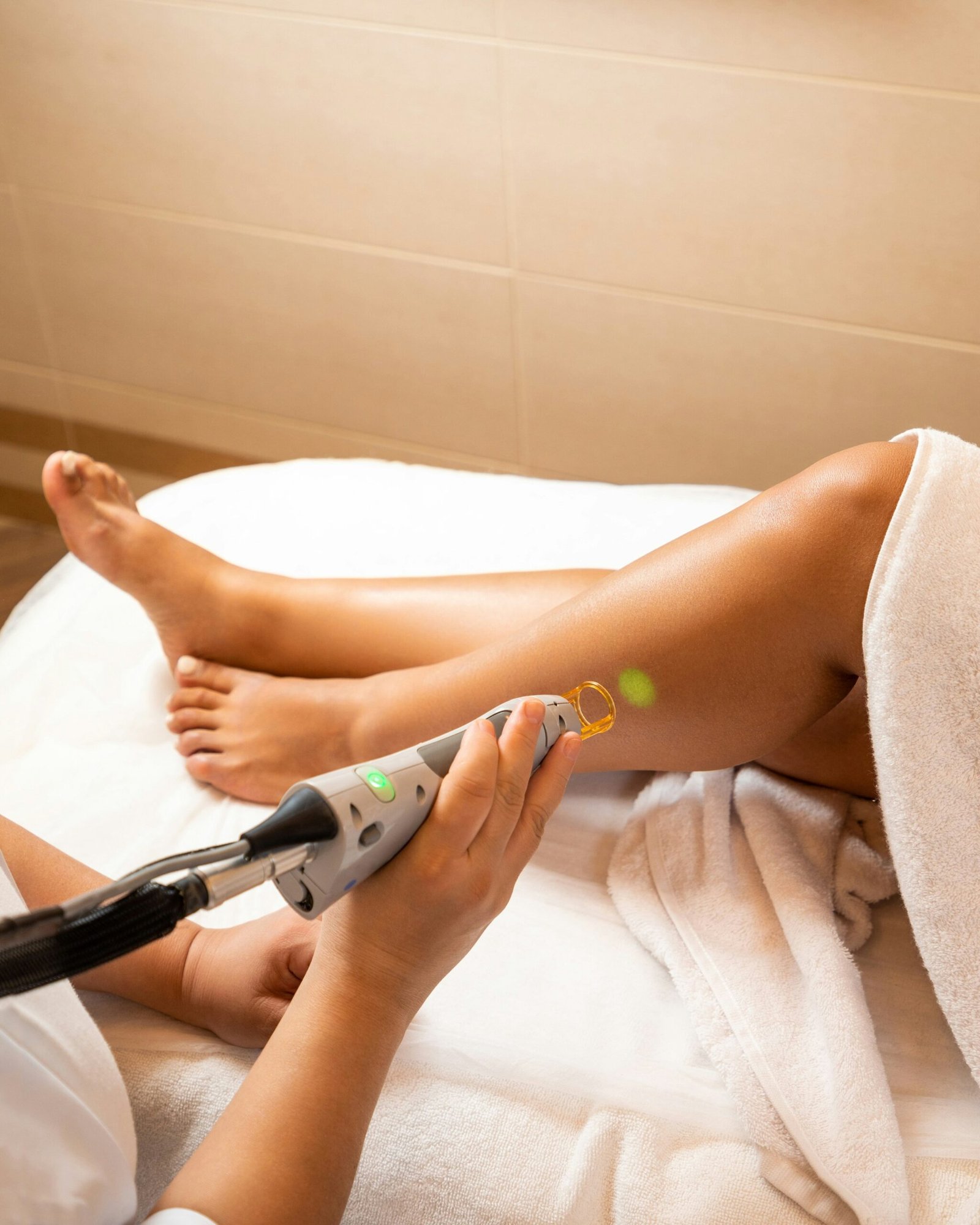
Photo by Farhad Ibrahimzade on Unsplash
Balancing inner vitality with external appearance has become a central focus for individuals seeking a more comprehensive approach to personal health. Rather than viewing beauty care as a superficial pursuit, modern wellness philosophy recognizes that looking refreshed often supports a positive mindset and encourages healthier daily habits. Integrating clinical skin maintenance and targeted physical enhancement into your lifestyle creates a bridge between medical science and everyday self-care.
Navigating this evolving landscape requires understanding how different therapeutic options interact with your natural biology and long-term health goals. From cellular skin renewal to non-surgical contouring, each clinical choice offers distinct physiological benefits. Examining these modalities helps you determine which approaches align best with your individual wellness journey.
The Intersection of Clinical Aesthetics and Holistic Health
The convergence of medical science and aesthetic practice allows practitioners to address surface-level concerns while simultaneously supporting systemic vitality and stress reduction.
Traditional spa services focus primarily on temporary surface relaxation, whereas clinical aesthetic treatments utilize evidence-based technology to stimulate biological repair mechanisms within the skin and underlying tissue. This medical integration means that procedures such as micro-needling and resurfacing lasers do more than just improve complexion; they trigger natural collagen synthesis and cellular turnover. Consequently, patients experience tangible improvements in skin barrier integrity and defense against environmental stressors, proving that aesthetic care functions as an extension of preventative healthcare.
Targeted Dermatological Modalities for Tissue Regeneration
Specific clinical skin therapies utilize controlled thermal and mechanical energy to resolve stubborn dermatological imbalances and encourage deep tissue healing.
Chemical peels apply calibrated acid solutions to exfoliate damaged outer layers, clearing congested pores and accelerating fresh cellular growth beneath. Laser resurfacing takes a more precise approach by delivering concentrated light pulses that target pigmented lesions, vascular irregularities, and deep textural flaws. These procedures require careful pre-treatment assessment to match skin phototypes with appropriate energy wavelengths, ensuring maximum regenerative impact while minimizing post-procedure sensitivity.
To clarify how these specific skin interventions compare in scope, recovery requirements, and primary objectives, review the comparison matrix below.
| Dermatological Modality | Primary Physiological Target | Expected Downtime |
|---|---|---|
| Medium Chemical Peel | Epidermal exfoliation, hyperpigmentation | 3 to 7 days of mild peeling |
| Fractional Laser Resurfacing | Collagen remodeling, scar reduction | 4 to 10 days of redness |
| Microwaving & Radiofrequency | Dermal tightening, elastin stimulation | 1 to 2 days |
| Platelet-Rich Plasma Facials | Autologous healing, micro-vascular repair | 24 to 48 hours |
Neuromodulators and Soft Tissue Replenishment Dynamics
Injectable biomaterials provide a rapid method for softening dynamic expression lines and restoring structural facial volume lost through natural aging.
Neuromodulators like botulinum toxin work by temporarily inhibiting local nerve signals that prompt muscle contractions, smoothing out chronic creases across the forehead and around the eyes. Conversely, hyaluronic acid dermal fillers physically replace depleted subcutaneous fat pads to recreate youthful contours along the cheeks and jawline. Understanding the precise anatomical placement required for these injectables highlights why professional administration by licensed clinical specialists is vital for preventing vascular complications and achieving balanced facial symmetry.
Evaluating Non-Invasive Body Sculpting and Fat Reduction
Advanced body shaping technologies offer targeted fat reduction without the surgical risks and prolonged recovery periods associated with traditional liposuction.
Controlled cooling methods, such as cryolipolysis, selectively freeze subcutaneous fat cells, allowing the lymphatic system to naturally metabolize and eliminate the crystallized debris over several weeks. Radiofrequency and ultrasound devices provide alternative thermal mechanisms that heat underlying fat layers while simultaneously tightening loose skin laxity. While these non-surgical techniques excel at contouring localized fat pockets that resist diet and exercise, they are designed for body shaping rather than significant weight loss.
Clinical Protocols and Safety Standards for Patient Protection
Rigorous adherence to medical safety protocols and thorough practitioner verification safeguard patients against adverse reactions during any aesthetic procedure.
The regulatory landscape of medical aesthetics mandates that procedures involving lasers, prescription injectables, or deep chemical agents be supervised or performed by qualified medical professionals. A comprehensive initial consultation serves as the foundation for safe treatment, allowing clinicians to review medical history, screen for contraindications, and set realistic expectations. Maintaining transparent communication regarding potential side effects ensures that patients remain fully informed throughout every stage of their wellness plan.
Post-Procedure Aftercare and Long-Term Lifestyle Integration
Diligent aftercare routines and healthy daily habits preserve the longevity of clinical aesthetic investments and promote sustained physical well-being.
Following any skin rejuvenation or resurfacing procedure, patients must strictly adhere to clinician guidelines, which typically include avoiding direct sun exposure, wearing mineral-based broad-spectrum sunscreen, and using gentle hydration formulas. Combining these topical maintenance practices with balanced nutrition and regular physical activity reinforces the body’s natural regenerative capacity. For deeper insights into establishing healthy habits that support overall physical health, explore our guide on body wellness for teens and families to see how foundational lifestyle routines foster lifelong vitality.
Frequently Asked Questions
What distinguishes a clinical aesthetic treatment from a standard spa facial?
Clinical aesthetic treatments are performed in medical settings using pharmaceutical-grade products and advanced technology that alter skin structure, whereas standard spa facials focus on surface relaxation and temporary hydration.
How do neuromodulators differ from dermal fillers in daily application?
Neuromodulators temporarily relax the underlying muscles responsible for expression lines, while dermal fillers physically restore lost volume and structural contouring beneath the skin.
What level of discomfort should I anticipate during laser skin resurfacing?
Patients typically feel a warm, snapping sensation during laser resurfacing, which practitioners manage effectively by applying topical numbing creams or utilizing integrated cooling devices.
Can body contouring procedures replace traditional weight loss methods?
No, non-invasive body contouring treatments target localized fat deposits and skin laxity, serving as body shaping tools rather than solutions for generalized weight reduction.
Why is a pre-treatment medical consultation mandatory for clinical aesthetics?
A consultation allows qualified practitioners to review your complete medical history, evaluate skin phototypes, screen for potential contraindications, and design a personalized safety protocol.
How soon can I resume normal physical activities after an injectable session?
Most individuals return to their normal daily routines immediately after receiving injectables, though clinicians generally advise avoiding strenuous exercise and excessive heat for twenty-four hours.
Disclaimer: The information provided in this article is intended solely for educational purposes and should not be construed as formal medical advice. Readers must consult with licensed healthcare professionals or board-certified aesthetic practitioners to evaluate personal suitability and verify final procedural details before beginning any wellness regimen.


