

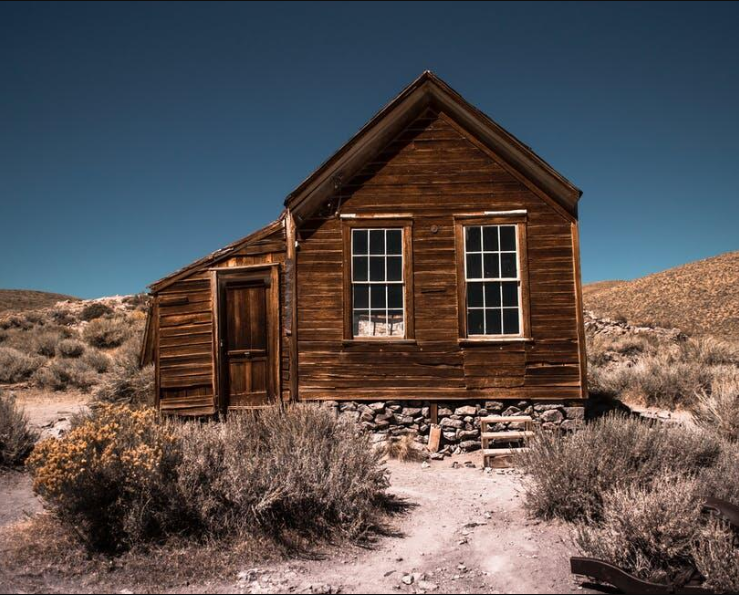
Living in an old wooden house has its charms, from the beautiful architecture to the rich history. However, it also comes with its unique set of challenges. One such challenge is the mysterious burning smell that sometimes wafts through the rooms, signaling potential danger that requires immediate attention.
If you’ve noticed this unsettling aroma in your home, it is essential to identify the root cause quickly before minor issues escalate into major fire hazards. Here is a close look at the top four common causes of a burning smell in an old wooden house and what you can do to keep your property safe.
Step One: How to Locate and Triage the Burning Smell Safely
Before investigating specific causes, homeowners must immediately triage the situation by checking for visible smoke, feeling switchplates for warmth, and shutting off the main electrical breaker if the odor appears electrical.
Historic timber structures often channel smells through wall cavities and floorboards, making the true origin difficult to pinpoint. Take a methodical approach by turning off major appliances one by one. Sniff near outlets, baseboards, and heating vents. If the smell is sharp, acrid, and resembles melting plastic, treat it as an active emergency. Never ignore a phantom odor just because it disappears temporarily, as intermittent electrical arcs or overheating components often give off warning signs before failing entirely.
1. Outdated or Overloaded Electrical Systems
Aging wiring, overloaded circuits, and deteriorating components are among the most frequent culprits behind a persistent burning odor in vintage timber properties.
Many older homes were built long before modern electrical loads existed. Consequently, original wiring insulation degrades over decades, and outdated panels struggle to handle current household demands. If you notice a persistent burning odor, examine your electrical system for common warning signs like discolored outlets, flickering lights, or breaker trips. Knob-and-tube wiring, frequently found in heritage houses, lacks a ground wire and can easily overheat when buried under thick layers of modern building materials or insulation.
What to Do:
If you suspect an electrical issue, act promptly by cutting power to the affected zone and contacting a licensed professional electrician. Avoid handling electrical repairs without proper training, specialized tools, and local code knowledge.
2. Heating System Strain and Flue Blockages
Furnaces, boilers, and radiators can emit strong burning odors when malfunctioning or when accumulated dust and debris burn off during seasonal startup.
As heating units age, internal components wear down, heat exchangers crack, or flues become obstructed by soot and nesting debris. When the heating system engages, it heats up surrounding dry framing and accumulated dust, creating a distinct scorched smell. While a slight dust smell is normal during the first chilly autumn day, a sharp, chemical, or continuous burning odor points toward mechanical strain or blocked ventilation.
What to Do
Regular heating system maintenance is crucial to prevent these hazards. Replace air filters frequently, clear vents, and arrange annual safety inspections with a certified HVAC professional. If you detect a strong burning smell, shut off the heating system immediately and seek expert diagnostic assistance.
3. Rodent Damage and Flammable Nesting Materials Inside Walls
Unwanted pests like mice and rats frequently infiltrate historic wall cavities, chewing through electrical wire insulation and packing flammable nesting materials into tight spaces.
Rodents need to gnaw continuously to keep their teeth sharp, making plastic-coated electrical wires inside wooden walls prime targets. When mice strip the protective coating away, exposed copper wires can arc, generating intense heat against dry historic timber. Furthermore, nests composed of paper, fabric, and dry twigs act as instant tinder when exposed to minor sparks or friction.
What to Look For
Watch for scratching sounds inside walls, droppings near baseboards, or a smell that intensifies near specific partitions. If you also need help managing general property upkeep or minor structural updates after clearing out pests, looking into simple exterior and interior home upgrades can guide your maintenance checklist.
What to Do
Conduct a thorough inspection of your home for signs of wildlife activity. Seal exterior entry points with steel wool and caulk, and hire a licensed pest control professional to safely clear out infestations from hard-to-reach structural voids.
4. Friction, Settling, and Degraded Insulation Hazards
Structural shifting, rubbing timber elements, and failing insulation materials can interact with heat sources to produce alarming burning smells.
Old wooden houses settle over decades, causing floorboards, joists, and structural beams to shift and rub against one another under daily weight. This continuous mechanical friction generates localized heat, sometimes scorching surrounding wood. Additionally, old cellulose or degraded blown-in insulation placed directly against hot chimney flues or aging light fixtures can overheat and emit acrid chemical odors.
What to Do:
Inspect your attic and crawlspaces for insulation that touches hot surfaces or chimney brickwork. Hire a structural carpenter or home inspector to evaluate whether settling framing requires reinforcement or clearance adjustments to eliminate friction points.
When to Call Emergency Services Versus an Electrician
Homeowners must call 911 immediately if they observe active smoke, visible sparks, scorched drywall, or flames, while contacting an electrician for non-emergency persistent odors.
Knowing when to escalate a situation can prevent a catastrophic structural fire. If the burning smell is accompanied by crackling sounds, hot switchplates, or visible charring, evacuate the building and call the fire department right away. Never attempt to investigate a smoke-filled room or open a hot electrical panel yourself if safety is compromised.
| Type of Burning Smell | Likely Source | Immediate Action Required |
|---|---|---|
| Sharp, melting plastic odor | Electrical arcing or overloaded wiring | Shut off main breaker and call an electrician |
| Dusty, scorched metal smell | Heating system dust burn-off or filter strain | Turn off heating unit and check air filters |
| Musty, organic scorching | Rodents chewing wires or nesting near flues | Inspect wall cavities and call pest control |
| Woodsmoke aroma | Chimney blockage or framing friction | Extinguish fireplace and inspect flue structure |
Frequently Asked Questions
Why does my old wooden house smell like burning wood when the heater turns on?
This is often caused by accumulated dust and seasonal debris burning off the heat exchanger or furnace elements during the first cold cycle of the year.
Can old insulation cause a burning smell?
Yes, degraded insulation material or insulation pushed directly against hot chimney flues and aging light fixtures can overheat and produce acrid odors.
How do I know if the burning smell is electrical?
An electrical burning smell typically resembles melting plastic or fishy odors, often accompanied by tripping breakers, flickering lights, or warm outlet covers.
Should I evacuate if I smell burning but see no smoke?
If the smell is strong and you cannot locate the source, it is safest to evacuate the house and call emergency services or a qualified technician to investigate.
What role do rodents play in creating burning smells in old homes?
Rodents chew through protective electrical wire insulation inside wall cavities, causing dangerous arcing and heating against combustible wooden framing.
How often should I have the electrical system of a historic home inspected?
Historic homes with aging wiring should be professionally inspected every three to five years, or immediately if you notice intermittent burning odors.
Disclaimer: The information provided in this article is for general guidance purposes only. Building structures and electrical systems vary significantly, and readers should verify all diagnostic procedures and safety steps with certified local professionals before attempting repairs.


