

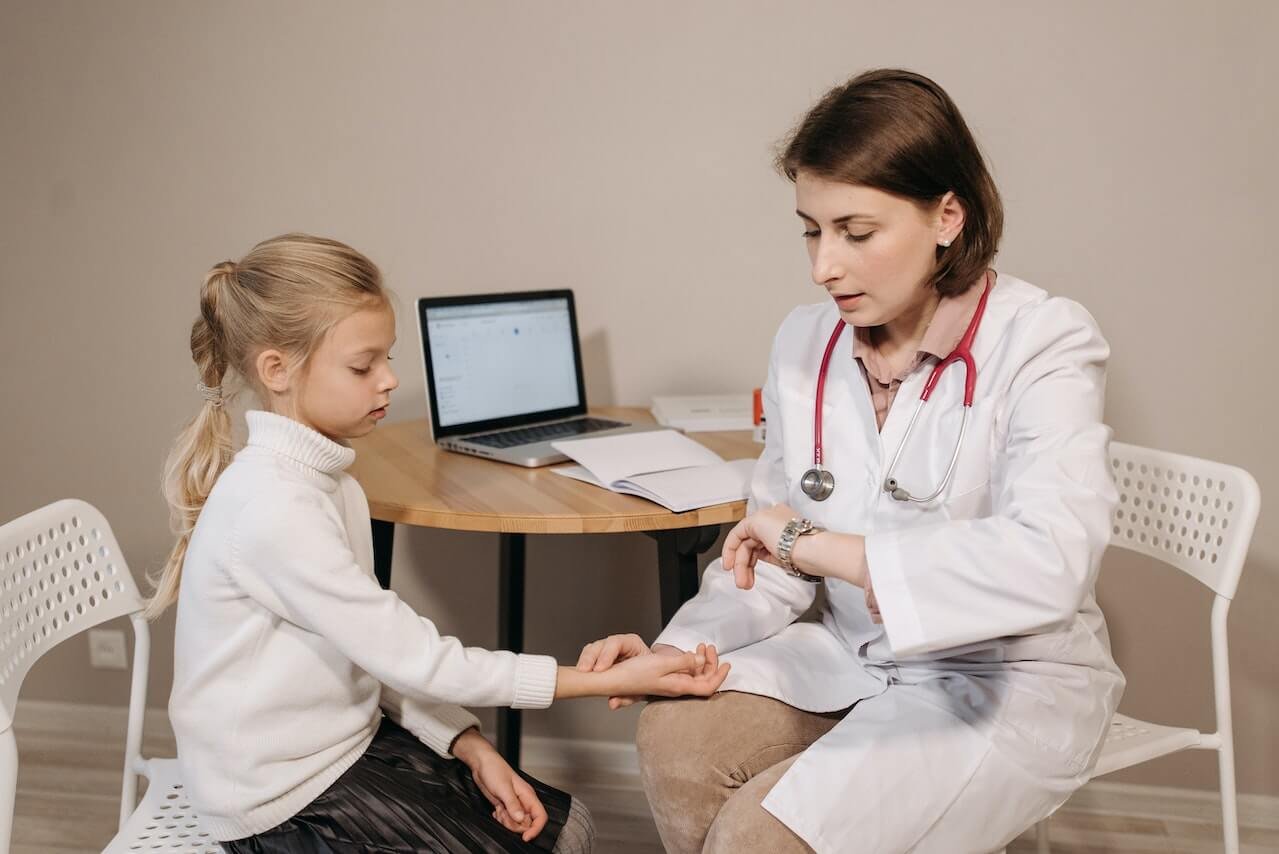
Introduction
Pediatric Advanced Life Support (PALS) certification is an essential professional credential for clinicians who evaluate and stabilize critically ill infants and children.
This specialized training equips you with advanced life-saving methodologies designed specifically for pediatric physiology. Enrolling in PALS certification classes gives healthcare providers the verified resuscitation techniques required to navigate high-acuity pediatric crises with precision.
Who Should Enroll and What Prerequisites Apply?
Active credentials are routinely mandated for medical professionals operating in emergency departments, pediatric intensive care units, and pre-hospital transport teams.
Typical attendees include emergency room registered nurses, pediatric nurse practitioners, paramedics, respiratory therapists, and attending physicians. Before stepping into a live classroom or logging into a hybrid module, you must hold a current Basic Life Support Provider card. Most training organizations also expect a solid working knowledge of basic electrocardiogram rhythm analysis and emergency medication mathematics before day one.
Mastering Pediatric Assessment and Airway Protocols
Classroom instruction begins with structured observation frameworks that help clinicians quickly differentiate stable patients from those in acute decompensation.
Instructors teach the Pediatric Assessment Triangle alongside the primary ABCDE survey to establish a systematic mental checklist during chaotic emergencies. You will learn to recognize early signs of respiratory distress, severe asthma, upper airway obstructions, and bronchiolitis before they escalate into full arrest. Practical exercises emphasize proper bag-valve-mask ventilation techniques and advanced airway placement strategies tailored to smaller pediatric anatomies.
Navigating Shock States and Advanced Resuscitation
Managing pediatric cardiovascular emergencies requires specialized pharmacological interventions and rapid fluid resuscitation strategies.
Training modules cover the identification and targeted management of hypovolemic, distributive, cardiogenic, and obstructive shock in infants and children. Because establishing peripheral intravenous lines in small children can be exceptionally difficult, instructors demonstrate intraosseous needle insertion techniques for emergency access. Students also review weight-based drug dosing formulas, synchronized cardioversion protocols, and defibrillation energy settings on pediatric cardiac monitors.
| Emergency Intervention | Primary Clinical Focus | Core Educational Objective |
|---|---|---|
| Airway Support | Bag-valve-mask and intubation | Maintain safe oxygen saturation levels |
| Vascular Access | Intravenous and intraosseous lines | Administer emergency fluids rapidly |
| Cardiac Management | Arrhythmia analysis and cardioversion | Restore stable hemodynamic rhythm |
Choosing Between Traditional Classrooms and Blended Learning
Educational delivery methods have evolved to accommodate the demanding schedules of modern healthcare professionals and hospital staff.
A traditional provider course involves spending one to two full days sitting through instructor-led lectures and participating in group skill stations. Alternatively, blended learning options like the American Heart Association HeartCode PALS allow you to complete the cognitive coursework online at your own pace. Once the online modules are finished, you must attend a mandatory hands-on skills check on a manikin with a certified instructor to receive your official completion card.
Navigating Practical Evaluations and Written Exams
Earning your credential requires successfully demonstrating both cognitive knowledge and hands-on leadership during simulated medical scenarios.
The written multiple-choice examination tests your understanding of core algorithms, pharmacology guidelines, and pediatric pathophysiology. During the practical evaluation, you must act as the team leader in a simulated megacode scenario, directing resuscitation efforts and medical interventions smoothly. Upon passing both portions, your certification remains active for two years before requiring renewal. For clinicians seeking broader developmental topics beyond emergency care, exploring programs like structured holistic health learning paths can offer additional clinical perspective.
Frequently Asked Questions About PALS Training
How long does an initial PALS provider course take to complete?
An initial classroom course typically takes two full days, whereas blended learning options require several hours of online modules followed by an in-person skills check.
Is holding a BLS card mandatory before registering?
Yes, maintaining a valid Basic Life Support Provider card is a strict prerequisite required by nearly all pediatric advanced life support training programs.
What happens during the practical megacode test?
You will lead a simulated pediatric resuscitation team, managing airway control, medication administration, and rhythm interpretation under realistic pressure.
How frequently must healthcare providers renew their PALS card?
The credential expires every two years, at which point you must complete a streamlined renewal course and practical skills verification.
Can I complete the entire certification process online?
No, while the lecture and testing portions can be done online via hybrid formats, a physical hands-on skills session with a certified instructor is always required.
What study materials should I review prior to class?
You should thoroughly review your provider manual, practice ECG rhythm strips, and memorize core pediatric arrest algorithms and drug dosages.
Are continuing education credits awarded for completion?
Yes, accredited training providers generally award continuing education units to help medical professionals satisfy state licensing renewal requirements.
Disclaimer: Specific prerequisites, classroom schedules, and local hospital credentialing requirements may vary by region. Always confirm institutional policies directly with your employer or authorized training providers before enrolling.

Daniel J. Morgan is the founder of Invidiata Magazine, a premier publication showcasing luxury living, arts, and culture. With a passion for excellence, Daniel has established the magazine as a beacon of sophistication and refinement, captivating discerning audiences worldwide.


