
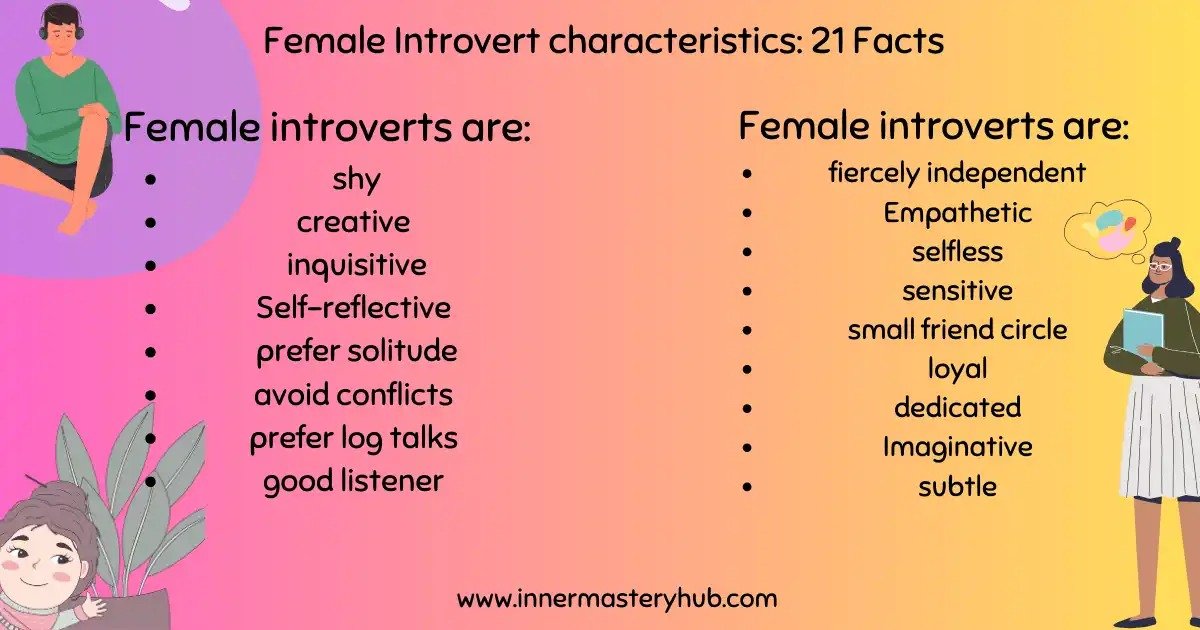
Many women often feel misunderstood or marginalized due to their introverted nature. They are frequently stereotyped as shy, aloof, or lacking social skills. These persistent misconceptions can lead to feelings of isolation and inadequacy in both social and professional environments.
It is important to understand that introversion is not a personality flaw. Instead, introversion is a unique neurobiological trait that comes with its own distinct set of strengths and daily challenges. Women who identify as introverts often possess valuable qualities such as depth of thought, profound empathy, and a very strong sense of self.
By recognizing and acknowledging their introverted nature, women can harness their unique strengths and build deeply fulfilling lives. This article explores the key introvert characteristics, debunks common stereotypes, and provides practical insights into how quiet women thrive in modern society.
Defining Female Introversion Through Neurological and Psychological Traits
Female introversion is fundamentally characterized by a preference for low-stimulation environments and internal cognitive processing rather than any social deficit. Unlike clinical shyness, which stems from a fear of negative evaluation, introversion is simply a natural baseline way the nervous system handles sensory input. Introverted women process external stimuli more deeply, which means their brains take in more details from their surroundings during everyday interactions.
Psychological research published in academic literature shows that introverts tend to have higher levels of baseline self-awareness. They are naturally wired to engage in deep thought and reflective processing before taking action. This internal processing helps them navigate complex emotional landscapes with remarkable care and precision.
Core Behavioral Strengths Unique to Introverted Women
Female introverts bring powerful and understated qualities to their personal relationships, families, and workplaces. Their distinct combination of cognitive depth and emotional intelligence allows them to excel in roles requiring focus, listening, and strategic foresight.
Depth of thought allows introverted women to analyze complex information thoroughly before speaking or making decisions. Instead of reacting impulsively, they evaluate various perspectives, making them exceptional problem solvers in both personal and corporate settings.
High empathy is another hallmark trait. Introverts are often deeply attuned to the emotional nuances of the people around them. They listen actively and connect with others on a profound emotional level, making them compassionate and reliable friends, partners, and colleagues.
A strong sense of self-reliance develops naturally because introverted women are comfortable spending time in their own company. They are less influenced by fleeting societal pressures and more driven by authentic personal values and long-term goals.
Coping With Modern Workplace Demands and Digital Fatigue
Navigating contemporary professional environments and digital connectivity presents unique hurdles for introverted women. Modern workplaces often reward constant visibility, loud self-promotion, and immediate responsiveness. These cultural expectations can quickly drain an introvert’s limited social battery and lead to severe digital fatigue.
Remote work and hybrid schedules have offered some relief, but the rise of constant virtual meetings and instant messaging apps creates a new kind of exhaustion. To manage these pressures successfully, introverted women must intentionally carve out offline recovery time. Establishing clear professional boundaries helps prevent burnout and preserves the mental clarity required for deep, meaningful work.
Dismantling Persistent Cultural Stereotypes About Quiet Women
Society frequently misinterprets quiet behavior as a sign of weakness or social indifference. Dismantling these outdated stereotypes requires a clearer look at what quietness actually signifies in women.
The following table contrasts common myths about female introversion with psychological realities:
| Common Myth | Psychological Reality |
|---|---|
| Introverted women are shy and insecure. | Quietness reflects a preference for low-stimulation settings, not fear or social inadequacy. |
| They lack essential leadership or social skills. | They often excel in listening, thoughtful mentoring, and one-on-one communication. |
| They are emotionally cold or distant. | They possess deep empathy but process emotions internally before expressing them. |
Recognizing these distinctions helps dismantle the pressure on women to conform to loud, extroverted ideals in order to be valued.
Essential Boundaries and Self-Care Practices for Introverts
Thriving as an introverted woman involves honoring personal energy limits while actively pursuing meaningful goals. Embracing uniqueness starts with accepting that needing solitude is a healthy biological requirement rather than a personal failure.
Prioritizing quality over quantity in relationships ensures that social energy is directed toward deep, supportive connections rather than exhausting superficial interactions. Women can also explore various wellness routines, and those dealing with chronic physical tension or stress from over-scheduling can review effective wellness options detailed in this holistic physical wellness guide to maintain overall vitality.
Finding a supportive community of like-minded individuals provides a safe space to share experiences and feel truly understood. Setting firm boundaries allows introverted women to protect their time, reduce overwhelm, and cultivate long-term personal fulfillment.
Frequently Asked Questions
Are all introverted women naturally shy?
No, introversion is about how the brain processes stimulation and recharges energy, whereas shyness relates to fear of social judgment. Many introverts are entirely confident in social settings but simply prefer quiet environments.
How can female introverts handle workplace burnout?
Introverted women can prevent burnout by scheduling regular quiet breaks during the workday, setting clear communication boundaries, and limiting unnecessary meetings.
Do introverted women make effective leaders?
Yes, introverted women often excel as leaders by listening carefully to their teams, fostering collaborative environments, and making thoughtful, measured decisions.
Why do introverts need solitude so much?
Solitude allows introverts to process accumulated thoughts and emotions, restore their depleted energy reserves, and lower overstimulated nervous systems.
Can an introvert change their personality over time?
While people can learn to adapt their social behaviors to fit different situations, core personality traits like introversion remain stable biological facets of an individual.
How do introverted women build meaningful relationships?
They typically focus on cultivating a small, select circle of close friends where deep, authentic conversations replace superficial socializing.
Disclaimer: The information provided in this article is for educational purposes only. Psychological traits and personal experiences vary widely among individuals, so readers should consult professional counseling or official resources for personalized guidance.

Daniel J. Morgan is the founder of Invidiata Magazine, a premier publication showcasing luxury living, arts, and culture. With a passion for excellence, Daniel has established the magazine as a beacon of sophistication and refinement, captivating discerning audiences worldwide.


