

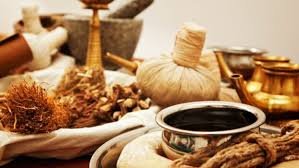
Understanding Ayurveda: The Ancient Science of Life
Ayurveda translates directly from Sanskrit as the science of life, drawing from deep roots in India that span over five thousand years. This comprehensive medical and philosophical tradition approaches human wellness through natural therapies, customized diets, and deliberate lifestyle decisions designed to achieve mental, physical, and spiritual equilibrium. Practitioners often utilize specialized Ayurvedic massage techniques to help balance internal energies and gently rejuvenate the physical body.
The Three Core Doshas: Vata, Pitta, and Kapha
At the foundation of Ayurvedic philosophy lie the three doshas—Vata, Pitta, and Kapha—which represent distinct biological energies circulating throughout the human system. Every individual possesses a unique constitution made up of these three forces, and identifying your dominant dosha provides valuable guidance for daily dietary and lifestyle choices.
Vata governs bodily movement, including respiration, nerve impulses, and circulation, while carrying qualities of dryness and variability. Pitta oversees metabolism, digestion, and internal temperature control, characterized by heat, intensity, and transformation. Kapha provides structural strength, fluid balance, and physical stability, embodying qualities of heaviness and cohesiveness.
Integrating Ayurvedic Principles Into Daily Life
Adopting Ayurvedic habits into a contemporary schedule can be straightforward when treated as flexible guidelines rather than rigid rules. Dietary choices often reflect elemental balancing principles, such as favoring warm, grounding soups for Vata types or cooling green foods for Pitta constitutions. Herbal support also remains essential, utilizing plants like ashwagandha for stress resilience alongside turmeric for natural antioxidant benefits.
Mindfulness practices such as yoga and meditation help align physical and mental energies for long-term emotional well-being. For readers seeking broader wellness perspectives, our guide on this holistic therapy healing approach provides additional mind-body strategies.
Clinical Research Behind Ayurvedic Herbs and Practices
Modern scientific studies are increasingly examining traditional Ayurvedic remedies to understand their underlying biochemical mechanisms and therapeutic potential. Researchers have conducted various clinical trials on botanical staples like turmeric and ashwagandha, substantiating their traditional roles in managing inflammation and supporting stress adaptation. Similarly, ancient oral care routines like oil pulling with organic coconut or sesame oil have undergone evaluation for their ability to maintain oral hygiene by reducing bacterial buildup.
Ensuring Safety, Purity, and Professional Guidance
Navigating contemporary herbal supplements requires rigorous attention to product purity, quality control, and responsible manufacturing standards. Because certain traditional herbal preparations or unverified imports can contain undesirable contaminants, consumers should look for independent third-party testing. Consulting with qualified integrative healthcare professionals ensures that traditional botanical remedies complement rather than conflict with conventional medical care.
Synchronizing Personal Habits With Daily Rhythms
Establishing consistent daily patterns allows human physiology to synchronize naturally with environmental and circadian cycles. Ayurvedic tradition places heavy emphasis on dinacharya, a structured daily routine crafted to optimize digestion, maintain steady energy levels, and promote longevity. Waking prior to sunrise, practicing gentle movement, and eating the largest meal during midday when digestive capacity peaks form the core of this lifestyle framework.
Common Inquiries Regarding Traditional Practice
What does the word Ayurveda mean?
Ayurveda translates from Sanskrit as the science of life, reflecting its comprehensive focus on human longevity and holistic well-being.
What are the three doshas in Ayurveda?
The three doshas are Vata, Pitta, and Kapha, representing distinct energetic forces that govern movement, metabolism, and structural integrity.
How can individuals determine their dosha type?
Determining your constitutional dosha involves evaluating physical build, digestive tendencies, and behavioral habits alongside an experienced practitioner.
Are Ayurvedic herbal supplements safe for everyone?
While many herbs are well-tolerated, individuals should consult medical providers and choose third-party tested products to ensure safety and purity.
What is dinacharya in daily practice?
Dinacharya refers to a consistent daily routine that aligns personal hygiene, diet, and rest habits with natural circadian rhythms.
Does modern clinical science support Ayurveda?
Contemporary clinical research has validated several traditional practices, particularly regarding the adaptogenic and anti-inflammatory properties of specific herbs.
Where should beginners start with Ayurveda?
Beginners can start by establishing consistent sleep and meal schedules while incorporating basic mindfulness or gentle herbal teas.
Medical Disclaimer and Verification Note
The information shared in this article serves educational purposes only and should not replace professional medical advice or treatment. Readers are encouraged to verify final wellness details with qualified healthcare providers before making major modifications to their healthcare regimens.

Passionate content writer and savvy blog publisher, Aamir crafts compelling stories and insightful articles that captivate and inform. With a knack for blending creativity and strategy, they bring fresh perspectives to every piece. Dive into their world of words and discover content that resonates.


