

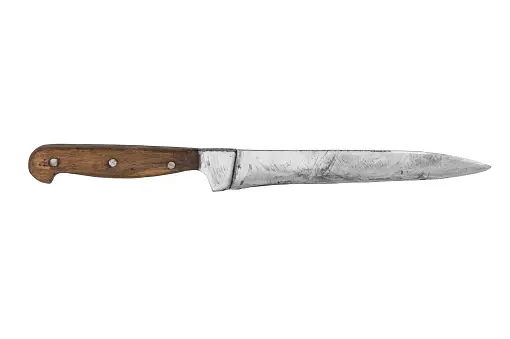
It can be very rewarding to find the right Laguiole knife for your daily dining table, outdoor excursions, or collection display. For more than one hundred years, Laguiole knives have stood for French tradition and quality because of their fine craftsmanship, beautiful design, and useful elegance. Knowing the ins and outs of these knives will help you make an informed choice, whether you are a food enthusiast, a collector, or just someone who needs a reliable pocket knife. This guide will show you the most important things you need to think about when choosing the right Laguiole knife for your needs.
Tracing Regional Provenance And The Iconic Laguiole Silhouette
The authentic Laguiole knife originates in the small village of Laguiole, in the Aveyron region of southern France, during the early nineteenth century when local shepherds and farmers needed dependable folding tools.
These traditional knives were initially designed as pocket tools for everyday agricultural work before evolving into multifunctional instruments and elegant dining accessories. A genuine Laguiole piece is renowned for its meticulous craftsmanship and distinctive design elements. It typically features a slim, gently curved handle, a slender blade, and a backspring decorated with intricate file work, often referred to as guilloché. The spine of the knife also showcases a famous emblem. While widely referred to as a bee, historical debates suggest it may represent a fly or a fastener from older folding spring designs.
Navigating Artisanal Workshops Versus Mass-Market Imitations
Authentic Laguiole knives are crafted with strict adherence to regional heritage rather than produced under a single protected trademark.
Because the name Laguiole is considered a geographic designation and generic term in certain markets, many mass-produced imitations appear worldwide. Genuine French pieces are produced collectively by skilled artisans working in the village of Laguiole and the nearby cutlery capital of Thiers. When investing in an authentic piece, look for a certificate of authenticity, maker touchmarks, and superior file work on the spring. Buyers should also evaluate overall build quality to avoid cheap tourist imports that lack proper steel tempering and solid bolster construction.
Matching Blade Configurations To Dining And Outdoor Tasks
The primary application of the blade dictates whether you should purchase a table set, a folding pocket companion, or a display piece.
For culinary purposes, consider a set of Laguiole steak knives or a specialized bread knife. These pieces are engineered for smooth slicing without tearing delicate meat fibers. If you need a tool for outdoor activities like camping or hiking, a folding pocket knife with a corkscrew or bottle opener provides everyday versatility. Collectors should instead focus on limited-edition releases, rare handle inlays, and elaborate hand-engraved bolsters that function as movable works of art.
Evaluating Steel Alloys And Organic Handle Composition
The combination of steel and handle composition defines both the performance capability and the necessary maintenance routine of the knife.
The following table outlines the common blade and handle materials used in authentic production:
| Material Type | Common Options | Maintenance & Characteristics |
|---|---|---|
| Stainless Steel | Sandvik 12C27 or similar | Highly resistant to corrosion, retains edge well, requires minimal upkeep. |
| Carbon Steel | High-carbon alloys | Exceptional sharpness and edge-holding, but prone to rust without oiling. |
| Damascus Steel | Forged folded layers | Stunning wavy visual patterns, high durability, prized by collectors. |
| Natural Woods | Olive wood, ebony, rosewood | Warm natural feel, develops a unique patina, hand wash only. |
| Natural Horn | Cow horn, buffalo horn | Classic rustic appearance, requires occasional conditioning to prevent drying. |
| Synthetic Materials | Acrylic, resin, stabilized wood | Moisture resistant, durable, available in many vibrant colors and patterns. |
Understanding Pocket Dimensions And Folding Spring Mechanics
Selecting the correct physical dimensions ensures the knife feels balanced and comfortable during regular use.
Laguiole pocket knives typically range from nine to twelve centimeters when closed, fitting comfortably into a pocket or pouch. Traditional folding models often rely on a slip-joint mechanism, which uses strong backspring tension without a physical locking bar. While slip-joint mechanisms are standard for traditional folding knives, some modern variations include a lock-back mechanism for secure blade retention during heavier tasks. Table knives, meanwhile, usually measure around twenty-three centimeters in overall length to balance neatly beside dinnerware.
Preserving Edge Integrity And Protecting Organic Handle Scales
Proper upkeep protects natural organic handles and fine steel edges from premature damage.
Never run a wooden or horn-handled Laguiole knife through an automatic dishwasher, as high heat and harsh detergents ruin organic materials. Hand-wash the blade immediately after use with mild soap and warm water, then dry it thoroughly with a soft cloth. For carbon steel blades, apply a light coat of food-safe mineral oil periodically to prevent oxidation. Natural wood and horn handles also benefit from occasional conditioning with mineral oil or specialized wax to keep them supple and prevent cracking.
Frequently Asked Questions
What is the difference between a bee and a fly on a Laguiole knife?
The decorative emblem on the spine is traditionally called a bee, though historical documents suggest it may have originated as a decorative fastener known as a mouche.
Are all Laguiole knives made in France?
No, because the name is a geographic designation rather than a single trademark, many mass-produced imitations are manufactured outside of France.
Can I put my Laguiole steak knives in the dishwasher?
Dishwashers will ruin wooden and horn handles and dull fine cutting edges, so you should always wash them by hand.
What is the guilloché on a Laguiole knife?
Guilloché refers to the intricate decorative file work hand-carved onto the metal spring and spine of the knife by skilled artisans.
Do folding Laguiole knives lock into place?
Traditional folding models use a slip-joint mechanism held by spring tension, though certain modern variations incorporate a lock-back mechanism.
How do I maintain a carbon steel blade?
Keep carbon steel clean, dry it immediately after washing, and apply a light coating of food-grade oil to prevent rusting.
When securing high-value cutlery collections or preparing safe storage space at home, you can also explore how to assess garage space for your vehicles and secure your property effectively.
Disclaimer: Knife specifications, regional manufacturing practices, and availability can change over time. Readers should verify official documentation and maker authenticity through verified French cutlers before purchasing high-end collectible pieces.


