

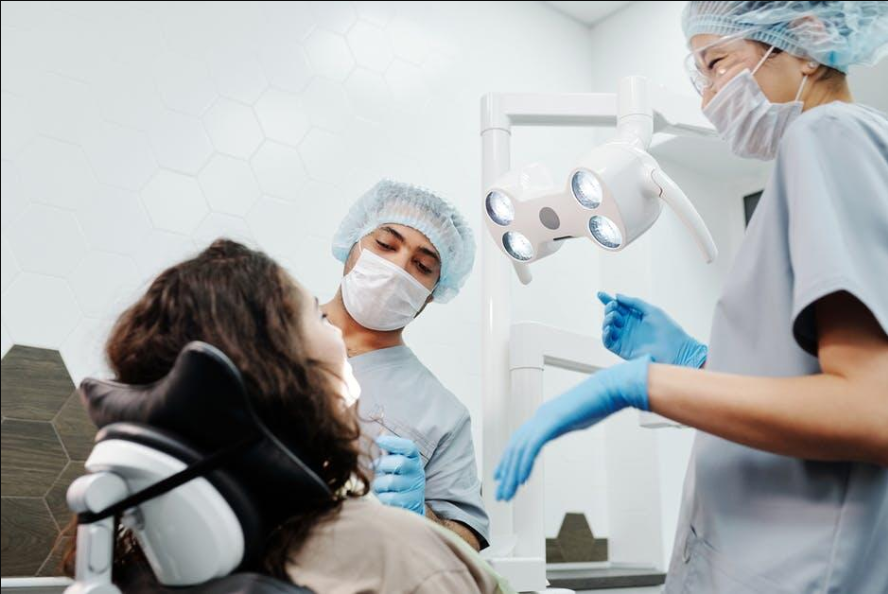
Pre-Treatment Clinical Assessments and Managing Sensitivity
Undergoing a professional dental evaluation before starting any whitening regimen ensures that your teeth and gums are healthy enough to tolerate bleaching agents without unnecessary discomfort.
Before applying active whitening chemicals, a dental practitioner must examine your oral cavity to rule out untreated decay, exposed root surfaces, or failing restorations. If peroxide enters compromised areas or leaky fillings, it can reach the internal nerve chambers and trigger sharp, uncomfortable pain. Professional evaluations also confirm whether your specific tooth discoloration responds well to chemical bleaching or stems from internal structural flaws that require alternative cosmetic restorations.
Transient tooth sensitivity and mild gum irritation remain the most frequent side effects encountered during dental whitening. Sensitivity occurs when peroxide temporarily stimulates fluid movement within the microscopic dentin tubules, while gum inflammation typically happens when excess bleaching gel overflows from generic application trays. Modern professional formulations frequently incorporate soothing chemical agents like potassium nitrate and amorphous calcium phosphate to calm nerve pathways during treatment. Adhering strictly to prescribed wear schedules and pausing treatment immediately if sharp discomfort arises will keep your cosmetic journey safe and comfortable.
Long-Term Maintenance and Practical Aftercare Strategies
Preserving your newly brightened shade requires a disciplined combination of smart dietary habits, consistent oral hygiene, and controlled touch-up routines.
Immediately following a whitening cycle, your tooth enamel remains temporarily porous and highly susceptible to absorbing new pigments from dark foods and beverages. Rinsing your mouth thoroughly with plain water after consuming coffee, tea, or dark berries significantly reduces fresh surface staining. Individuals should maintain consistent twice-daily brushing with a soft-bristled toothbrush and a high-quality fluoride toothpaste to strengthen enamel and prevent plaque buildup.
When gradual shade regression occurs over time, safe maintenance protocols help restore brightness without over-processing your teeth. Dentists frequently recommend utilizing custom home trays for brief touch-up sessions every six months rather than applying high-strength chemicals continuously. For readers exploring comprehensive aesthetic enhancements alongside routine oral care, understanding broader procedures like facial enhancement procedures and preparation provides valuable context for holistic personal care planning.
Frequently Asked Questions About Dental Whitening
Reviewing common reader inquiries helps clarify realistic expectations regarding treatment permanence, safety parameters, and clinical limitations.
How long do the results of dental whitening typically last?
Whitening results generally endure anywhere from several months up to three years, though lifestyle habits such as tobacco use and frequent consumption of staining beverages can shorten that timeframe.
Does dental whitening permanently damage tooth enamel?
When used according to professional directions and manufacturer guidelines, dental whitening products alter stain pigments safely without eroding or destroying the underlying enamel structure.
Can dental crowns, veneers, and fillings be whitened?
No, bleaching agents work exclusively on natural tooth structure, meaning porcelain crowns, composite bonding, and ceramic veneers will maintain their original color throughout the whitening process.
Is dental whitening considered safe during pregnancy or nursing?
Most dental professionals recommend postponing elective cosmetic whitening procedures during pregnancy and nursing as a precautionary measure due to a lack of comprehensive clinical safety data.
What distinguishes hydrogen peroxide from carbamide peroxide?
Hydrogen peroxide acts rapidly and is typically deployed in high concentrations during in-office sessions, whereas carbamide peroxide breaks down more gradually into hydrogen peroxide, making it ideal for extended home tray wear.
Can I whiten my teeth if I experience chronic tooth sensitivity?
Individuals with sensitive teeth should consult a dentist before starting treatment, as professional supervision allows for the use of lower-concentration gels and desensitizing toothpastes to prevent severe discomfort.
Disclaimer: This article serves informational purposes only and does not replace professional dental advice, diagnosis, or clinical treatment. Always consult with a qualified dental professional regarding any specific oral health condition or before beginning a whitening regimen. Product details and clinical recommendations may change over time, so verify final guidance through official dental resources.
Comparing In-Office Sessions, Custom At-Home Trays, and Retail Options
Choosing the right whitening approach requires balancing your personal budget, scheduling flexibility, and how rapidly you want to achieve visible results.
Dental patients generally select from three primary treatment categories, each offering distinct advantages. In-office professional sessions conducted by a dentist provide the fastest transformation, often lightening teeth by several shades in a single 60-to-90-minute visit through high-concentration gels and specialized activation lights. Dentist-provided at-home kits offer a balanced alternative, utilizing precision-molded custom trays and professional-grade gel that you apply comfortably on your own schedule over one to two weeks. Over-the-counter retail products—including adhesive whitening strips, paint-on pens, and whitening toothpastes—provide an accessible and budget-friendly route for minor touch-ups, though they demand consistent multi-week application to produce noticeable changes.
| Whitening Approach | Supervision & Application | Typical Duration | Customization Level |
|---|---|---|---|
| In-Office Professional Gel Session | Direct supervision by dental clinician | Single appointment (60–90 minutes) | Fully customized clinical isolation |
| Dentist-Prescribed At-Home Trays | Prescribed gel with independent use | 1 to 2 weeks of nightly wear | Custom-molded trays for your exact bite |
| Over-the-Counter Retail Strips | Self-administered consumer product | 2 to 4 weeks of daily application | Standard generic strip dimensions |
Pre-Treatment Clinical Assessments and Managing Sensitivity
Undergoing a professional dental evaluation before starting any whitening regimen ensures that your teeth and gums are healthy enough to tolerate bleaching agents without unnecessary discomfort.
Before applying active whitening chemicals, a dental practitioner must examine your oral cavity to rule out untreated decay, exposed root surfaces, or failing restorations. If peroxide enters compromised areas or leaky fillings, it can reach the internal nerve chambers and trigger sharp, uncomfortable pain. Professional evaluations also confirm whether your specific tooth discoloration responds well to chemical bleaching or stems from internal structural flaws that require alternative cosmetic restorations.
Transient tooth sensitivity and mild gum irritation remain the most frequent side effects encountered during dental whitening. Sensitivity occurs when peroxide temporarily stimulates fluid movement within the microscopic dentin tubules, while gum inflammation typically happens when excess bleaching gel overflows from generic application trays. Modern professional formulations frequently incorporate soothing chemical agents like potassium nitrate and amorphous calcium phosphate to calm nerve pathways during treatment. Adhering strictly to prescribed wear schedules and pausing treatment immediately if sharp discomfort arises will keep your cosmetic journey safe and comfortable.
Long-Term Maintenance and Practical Aftercare Strategies
Preserving your newly brightened shade requires a disciplined combination of smart dietary habits, consistent oral hygiene, and controlled touch-up routines.
Immediately following a whitening cycle, your tooth enamel remains temporarily porous and highly susceptible to absorbing new pigments from dark foods and beverages. Rinsing your mouth thoroughly with plain water after consuming coffee, tea, or dark berries significantly reduces fresh surface staining. Individuals should maintain consistent twice-daily brushing with a soft-bristled toothbrush and a high-quality fluoride toothpaste to strengthen enamel and prevent plaque buildup.
When gradual shade regression occurs over time, safe maintenance protocols help restore brightness without over-processing your teeth. Dentists frequently recommend utilizing custom home trays for brief touch-up sessions every six months rather than applying high-strength chemicals continuously. For readers exploring comprehensive aesthetic enhancements alongside routine oral care, understanding broader procedures like facial enhancement procedures and preparation provides valuable context for holistic personal care planning.
Frequently Asked Questions About Dental Whitening
Reviewing common reader inquiries helps clarify realistic expectations regarding treatment permanence, safety parameters, and clinical limitations.
How long do the results of dental whitening typically last?
Whitening results generally endure anywhere from several months up to three years, though lifestyle habits such as tobacco use and frequent consumption of staining beverages can shorten that timeframe.
Does dental whitening permanently damage tooth enamel?
When used according to professional directions and manufacturer guidelines, dental whitening products alter stain pigments safely without eroding or destroying the underlying enamel structure.
Can dental crowns, veneers, and fillings be whitened?
No, bleaching agents work exclusively on natural tooth structure, meaning porcelain crowns, composite bonding, and ceramic veneers will maintain their original color throughout the whitening process.
Is dental whitening considered safe during pregnancy or nursing?
Most dental professionals recommend postponing elective cosmetic whitening procedures during pregnancy and nursing as a precautionary measure due to a lack of comprehensive clinical safety data.
What distinguishes hydrogen peroxide from carbamide peroxide?
Hydrogen peroxide acts rapidly and is typically deployed in high concentrations during in-office sessions, whereas carbamide peroxide breaks down more gradually into hydrogen peroxide, making it ideal for extended home tray wear.
Can I whiten my teeth if I experience chronic tooth sensitivity?
Individuals with sensitive teeth should consult a dentist before starting treatment, as professional supervision allows for the use of lower-concentration gels and desensitizing toothpastes to prevent severe discomfort.
Disclaimer: This article serves informational purposes only and does not replace professional dental advice, diagnosis, or clinical treatment. Always consult with a qualified dental professional regarding any specific oral health condition or before beginning a whitening regimen. Product details and clinical recommendations may change over time, so verify final guidance through official dental resources.
How Chemical Oxidation Lifts Stains from Tooth Structure
Dental whitening relies on specialized oxygen-releasing bleaching agents that penetrate the microscopic pores of your enamel to break apart deeply embedded organic pigment molecules.
Teeth naturally lose their youthful brightness over time due to a combination of extrinsic and intrinsic staining factors. Extrinsic discoloration accumulates on the outer layer of the enamel from daily dietary choices, such as consuming dark beverages like black coffee, red wine, and strong teas, alongside lifestyle habits like tobacco use. Intrinsic discoloration, by contrast, originates deeper inside the tooth within a softer underlying layer known as dentin. Dentin naturally yellows as you age or can darken due to dental trauma, internal bleeding, or certain medications.
To reverse these color shifts, professional and retail whitening products utilize active bleaching compounds such as hydrogen peroxide or carbamide peroxide. When applied to the dental arch, these active agents initiate an oxidation-reduction reaction that targets complex organic chromogens. By fracturing the chemical bonds holding these pigments together, the treatment scatters the reflective light particles and instantly reveals a noticeably lighter tooth shade without compromising or shaving away any physical enamel structure.
Comparing In-Office Sessions, Custom At-Home Trays, and Retail Options
Choosing the right whitening approach requires balancing your personal budget, scheduling flexibility, and how rapidly you want to achieve visible results.
Dental patients generally select from three primary treatment categories, each offering distinct advantages. In-office professional sessions conducted by a dentist provide the fastest transformation, often lightening teeth by several shades in a single 60-to-90-minute visit through high-concentration gels and specialized activation lights. Dentist-provided at-home kits offer a balanced alternative, utilizing precision-molded custom trays and professional-grade gel that you apply comfortably on your own schedule over one to two weeks. Over-the-counter retail products—including adhesive whitening strips, paint-on pens, and whitening toothpastes—provide an accessible and budget-friendly route for minor touch-ups, though they demand consistent multi-week application to produce noticeable changes.
| Whitening Approach | Supervision & Application | Typical Duration | Customization Level |
|---|---|---|---|
| In-Office Professional Gel Session | Direct supervision by dental clinician | Single appointment (60–90 minutes) | Fully customized clinical isolation |
| Dentist-Prescribed At-Home Trays | Prescribed gel with independent use | 1 to 2 weeks of nightly wear | Custom-molded trays for your exact bite |
| Over-the-Counter Retail Strips | Self-administered consumer product | 2 to 4 weeks of daily application | Standard generic strip dimensions |
Pre-Treatment Clinical Assessments and Managing Sensitivity
Undergoing a professional dental evaluation before starting any whitening regimen ensures that your teeth and gums are healthy enough to tolerate bleaching agents without unnecessary discomfort.
Before applying active whitening chemicals, a dental practitioner must examine your oral cavity to rule out untreated decay, exposed root surfaces, or failing restorations. If peroxide enters compromised areas or leaky fillings, it can reach the internal nerve chambers and trigger sharp, uncomfortable pain. Professional evaluations also confirm whether your specific tooth discoloration responds well to chemical bleaching or stems from internal structural flaws that require alternative cosmetic restorations.
Transient tooth sensitivity and mild gum irritation remain the most frequent side effects encountered during dental whitening. Sensitivity occurs when peroxide temporarily stimulates fluid movement within the microscopic dentin tubules, while gum inflammation typically happens when excess bleaching gel overflows from generic application trays. Modern professional formulations frequently incorporate soothing chemical agents like potassium nitrate and amorphous calcium phosphate to calm nerve pathways during treatment. Adhering strictly to prescribed wear schedules and pausing treatment immediately if sharp discomfort arises will keep your cosmetic journey safe and comfortable.
Long-Term Maintenance and Practical Aftercare Strategies
Preserving your newly brightened shade requires a disciplined combination of smart dietary habits, consistent oral hygiene, and controlled touch-up routines.
Immediately following a whitening cycle, your tooth enamel remains temporarily porous and highly susceptible to absorbing new pigments from dark foods and beverages. Rinsing your mouth thoroughly with plain water after consuming coffee, tea, or dark berries significantly reduces fresh surface staining. Individuals should maintain consistent twice-daily brushing with a soft-bristled toothbrush and a high-quality fluoride toothpaste to strengthen enamel and prevent plaque buildup.
When gradual shade regression occurs over time, safe maintenance protocols help restore brightness without over-processing your teeth. Dentists frequently recommend utilizing custom home trays for brief touch-up sessions every six months rather than applying high-strength chemicals continuously. For readers exploring comprehensive aesthetic enhancements alongside routine oral care, understanding broader procedures like facial enhancement procedures and preparation provides valuable context for holistic personal care planning.
Frequently Asked Questions About Dental Whitening
Reviewing common reader inquiries helps clarify realistic expectations regarding treatment permanence, safety parameters, and clinical limitations.
How long do the results of dental whitening typically last?
Whitening results generally endure anywhere from several months up to three years, though lifestyle habits such as tobacco use and frequent consumption of staining beverages can shorten that timeframe.
Does dental whitening permanently damage tooth enamel?
When used according to professional directions and manufacturer guidelines, dental whitening products alter stain pigments safely without eroding or destroying the underlying enamel structure.
Can dental crowns, veneers, and fillings be whitened?
No, bleaching agents work exclusively on natural tooth structure, meaning porcelain crowns, composite bonding, and ceramic veneers will maintain their original color throughout the whitening process.
Is dental whitening considered safe during pregnancy or nursing?
Most dental professionals recommend postponing elective cosmetic whitening procedures during pregnancy and nursing as a precautionary measure due to a lack of comprehensive clinical safety data.
What distinguishes hydrogen peroxide from carbamide peroxide?
Hydrogen peroxide acts rapidly and is typically deployed in high concentrations during in-office sessions, whereas carbamide peroxide breaks down more gradually into hydrogen peroxide, making it ideal for extended home tray wear.
Can I whiten my teeth if I experience chronic tooth sensitivity?
Individuals with sensitive teeth should consult a dentist before starting treatment, as professional supervision allows for the use of lower-concentration gels and desensitizing toothpastes to prevent severe discomfort.
Disclaimer: This article serves informational purposes only and does not replace professional dental advice, diagnosis, or clinical treatment. Always consult with a qualified dental professional regarding any specific oral health condition or before beginning a whitening regimen. Product details and clinical recommendations may change over time, so verify final guidance through official dental resources.
A bright, healthy smile can dramatically enhance your everyday confidence and leave a lasting impression during personal and professional interactions. Whether you are preparing for a milestone celebration or simply looking to refresh your personal appearance, dental whitening remains one of the most popular and accessible cosmetic choices available today. Modern dental care offers numerous effective pathways to lift stubborn discoloration and brighten your natural tooth shade safely.
This comprehensive guide examines the precise chemical mechanisms behind dental whitening, breaks down the differences between professional procedures and retail kits, highlights essential pre-treatment evaluations, and provides practical routines for keeping your smile radiant over the long term.
How Chemical Oxidation Lifts Stains from Tooth Structure
Dental whitening relies on specialized oxygen-releasing bleaching agents that penetrate the microscopic pores of your enamel to break apart deeply embedded organic pigment molecules.
Teeth naturally lose their youthful brightness over time due to a combination of extrinsic and intrinsic staining factors. Extrinsic discoloration accumulates on the outer layer of the enamel from daily dietary choices, such as consuming dark beverages like black coffee, red wine, and strong teas, alongside lifestyle habits like tobacco use. Intrinsic discoloration, by contrast, originates deeper inside the tooth within a softer underlying layer known as dentin. Dentin naturally yellows as you age or can darken due to dental trauma, internal bleeding, or certain medications.
To reverse these color shifts, professional and retail whitening products utilize active bleaching compounds such as hydrogen peroxide or carbamide peroxide. When applied to the dental arch, these active agents initiate an oxidation-reduction reaction that targets complex organic chromogens. By fracturing the chemical bonds holding these pigments together, the treatment scatters the reflective light particles and instantly reveals a noticeably lighter tooth shade without compromising or shaving away any physical enamel structure.
Comparing In-Office Sessions, Custom At-Home Trays, and Retail Options
Choosing the right whitening approach requires balancing your personal budget, scheduling flexibility, and how rapidly you want to achieve visible results.
Dental patients generally select from three primary treatment categories, each offering distinct advantages. In-office professional sessions conducted by a dentist provide the fastest transformation, often lightening teeth by several shades in a single 60-to-90-minute visit through high-concentration gels and specialized activation lights. Dentist-provided at-home kits offer a balanced alternative, utilizing precision-molded custom trays and professional-grade gel that you apply comfortably on your own schedule over one to two weeks. Over-the-counter retail products—including adhesive whitening strips, paint-on pens, and whitening toothpastes—provide an accessible and budget-friendly route for minor touch-ups, though they demand consistent multi-week application to produce noticeable changes.
| Whitening Approach | Supervision & Application | Typical Duration | Customization Level |
|---|---|---|---|
| In-Office Professional Gel Session | Direct supervision by dental clinician | Single appointment (60–90 minutes) | Fully customized clinical isolation |
| Dentist-Prescribed At-Home Trays | Prescribed gel with independent use | 1 to 2 weeks of nightly wear | Custom-molded trays for your exact bite |
| Over-the-Counter Retail Strips | Self-administered consumer product | 2 to 4 weeks of daily application | Standard generic strip dimensions |
Pre-Treatment Clinical Assessments and Managing Sensitivity
Undergoing a professional dental evaluation before starting any whitening regimen ensures that your teeth and gums are healthy enough to tolerate bleaching agents without unnecessary discomfort.
Before applying active whitening chemicals, a dental practitioner must examine your oral cavity to rule out untreated decay, exposed root surfaces, or failing restorations. If peroxide enters compromised areas or leaky fillings, it can reach the internal nerve chambers and trigger sharp, uncomfortable pain. Professional evaluations also confirm whether your specific tooth discoloration responds well to chemical bleaching or stems from internal structural flaws that require alternative cosmetic restorations.
Transient tooth sensitivity and mild gum irritation remain the most frequent side effects encountered during dental whitening. Sensitivity occurs when peroxide temporarily stimulates fluid movement within the microscopic dentin tubules, while gum inflammation typically happens when excess bleaching gel overflows from generic application trays. Modern professional formulations frequently incorporate soothing chemical agents like potassium nitrate and amorphous calcium phosphate to calm nerve pathways during treatment. Adhering strictly to prescribed wear schedules and pausing treatment immediately if sharp discomfort arises will keep your cosmetic journey safe and comfortable.
Long-Term Maintenance and Practical Aftercare Strategies
Preserving your newly brightened shade requires a disciplined combination of smart dietary habits, consistent oral hygiene, and controlled touch-up routines.
Immediately following a whitening cycle, your tooth enamel remains temporarily porous and highly susceptible to absorbing new pigments from dark foods and beverages. Rinsing your mouth thoroughly with plain water after consuming coffee, tea, or dark berries significantly reduces fresh surface staining. Individuals should maintain consistent twice-daily brushing with a soft-bristled toothbrush and a high-quality fluoride toothpaste to strengthen enamel and prevent plaque buildup.
When gradual shade regression occurs over time, safe maintenance protocols help restore brightness without over-processing your teeth. Dentists frequently recommend utilizing custom home trays for brief touch-up sessions every six months rather than applying high-strength chemicals continuously. For readers exploring comprehensive aesthetic enhancements alongside routine oral care, understanding broader procedures like facial enhancement procedures and preparation provides valuable context for holistic personal care planning.
Frequently Asked Questions About Dental Whitening
Reviewing common reader inquiries helps clarify realistic expectations regarding treatment permanence, safety parameters, and clinical limitations.
How long do the results of dental whitening typically last?
Whitening results generally endure anywhere from several months up to three years, though lifestyle habits such as tobacco use and frequent consumption of staining beverages can shorten that timeframe.
Does dental whitening permanently damage tooth enamel?
When used according to professional directions and manufacturer guidelines, dental whitening products alter stain pigments safely without eroding or destroying the underlying enamel structure.
Can dental crowns, veneers, and fillings be whitened?
No, bleaching agents work exclusively on natural tooth structure, meaning porcelain crowns, composite bonding, and ceramic veneers will maintain their original color throughout the whitening process.
Is dental whitening considered safe during pregnancy or nursing?
Most dental professionals recommend postponing elective cosmetic whitening procedures during pregnancy and nursing as a precautionary measure due to a lack of comprehensive clinical safety data.
What distinguishes hydrogen peroxide from carbamide peroxide?
Hydrogen peroxide acts rapidly and is typically deployed in high concentrations during in-office sessions, whereas carbamide peroxide breaks down more gradually into hydrogen peroxide, making it ideal for extended home tray wear.
Can I whiten my teeth if I experience chronic tooth sensitivity?
Individuals with sensitive teeth should consult a dentist before starting treatment, as professional supervision allows for the use of lower-concentration gels and desensitizing toothpastes to prevent severe discomfort.
Disclaimer: This article serves informational purposes only and does not replace professional dental advice, diagnosis, or clinical treatment. Always consult with a qualified dental professional regarding any specific oral health condition or before beginning a whitening regimen. Product details and clinical recommendations may change over time, so verify final guidance through official dental resources.
A bright, healthy smile can dramatically enhance your everyday confidence and leave a lasting impression during personal and professional interactions. Whether you are preparing for a milestone celebration or simply looking to refresh your personal appearance, dental whitening remains one of the most popular and accessible cosmetic choices available today. Modern dental care offers numerous effective pathways to lift stubborn discoloration and brighten your natural tooth shade safely.
This comprehensive guide examines the precise chemical mechanisms behind dental whitening, breaks down the differences between professional procedures and retail kits, highlights essential pre-treatment evaluations, and provides practical routines for keeping your smile radiant over the long term.
How Chemical Oxidation Lifts Stains from Tooth Structure
Dental whitening relies on specialized oxygen-releasing bleaching agents that penetrate the microscopic pores of your enamel to break apart deeply embedded organic pigment molecules.
Teeth naturally lose their youthful brightness over time due to a combination of extrinsic and intrinsic staining factors. Extrinsic discoloration accumulates on the outer layer of the enamel from daily dietary choices, such as consuming dark beverages like black coffee, red wine, and strong teas, alongside lifestyle habits like tobacco use. Intrinsic discoloration, by contrast, originates deeper inside the tooth within a softer underlying layer known as dentin. Dentin naturally yellows as you age or can darken due to dental trauma, internal bleeding, or certain medications.
To reverse these color shifts, professional and retail whitening products utilize active bleaching compounds such as hydrogen peroxide or carbamide peroxide. When applied to the dental arch, these active agents initiate an oxidation-reduction reaction that targets complex organic chromogens. By fracturing the chemical bonds holding these pigments together, the treatment scatters the reflective light particles and instantly reveals a noticeably lighter tooth shade without compromising or shaving away any physical enamel structure.
Comparing In-Office Sessions, Custom At-Home Trays, and Retail Options
Choosing the right whitening approach requires balancing your personal budget, scheduling flexibility, and how rapidly you want to achieve visible results.
Dental patients generally select from three primary treatment categories, each offering distinct advantages. In-office professional sessions conducted by a dentist provide the fastest transformation, often lightening teeth by several shades in a single 60-to-90-minute visit through high-concentration gels and specialized activation lights. Dentist-provided at-home kits offer a balanced alternative, utilizing precision-molded custom trays and professional-grade gel that you apply comfortably on your own schedule over one to two weeks. Over-the-counter retail products—including adhesive whitening strips, paint-on pens, and whitening toothpastes—provide an accessible and budget-friendly route for minor touch-ups, though they demand consistent multi-week application to produce noticeable changes.
| Whitening Approach | Supervision & Application | Typical Duration | Customization Level |
|---|---|---|---|
| In-Office Professional Gel Session | Direct supervision by dental clinician | Single appointment (60–90 minutes) | Fully customized clinical isolation |
| Dentist-Prescribed At-Home Trays | Prescribed gel with independent use | 1 to 2 weeks of nightly wear | Custom-molded trays for your exact bite |
| Over-the-Counter Retail Strips | Self-administered consumer product | 2 to 4 weeks of daily application | Standard generic strip dimensions |
Pre-Treatment Clinical Assessments and Managing Sensitivity
Undergoing a professional dental evaluation before starting any whitening regimen ensures that your teeth and gums are healthy enough to tolerate bleaching agents without unnecessary discomfort.
Before applying active whitening chemicals, a dental practitioner must examine your oral cavity to rule out untreated decay, exposed root surfaces, or failing restorations. If peroxide enters compromised areas or leaky fillings, it can reach the internal nerve chambers and trigger sharp, uncomfortable pain. Professional evaluations also confirm whether your specific tooth discoloration responds well to chemical bleaching or stems from internal structural flaws that require alternative cosmetic restorations.
Transient tooth sensitivity and mild gum irritation remain the most frequent side effects encountered during dental whitening. Sensitivity occurs when peroxide temporarily stimulates fluid movement within the microscopic dentin tubules, while gum inflammation typically happens when excess bleaching gel overflows from generic application trays. Modern professional formulations frequently incorporate soothing chemical agents like potassium nitrate and amorphous calcium phosphate to calm nerve pathways during treatment. Adhering strictly to prescribed wear schedules and pausing treatment immediately if sharp discomfort arises will keep your cosmetic journey safe and comfortable.
Long-Term Maintenance and Practical Aftercare Strategies
Preserving your newly brightened shade requires a disciplined combination of smart dietary habits, consistent oral hygiene, and controlled touch-up routines.
Immediately following a whitening cycle, your tooth enamel remains temporarily porous and highly susceptible to absorbing new pigments from dark foods and beverages. Rinsing your mouth thoroughly with plain water after consuming coffee, tea, or dark berries significantly reduces fresh surface staining. Individuals should maintain consistent twice-daily brushing with a soft-bristled toothbrush and a high-quality fluoride toothpaste to strengthen enamel and prevent plaque buildup.
When gradual shade regression occurs over time, safe maintenance protocols help restore brightness without over-processing your teeth. Dentists frequently recommend utilizing custom home trays for brief touch-up sessions every six months rather than applying high-strength chemicals continuously. For readers exploring comprehensive aesthetic enhancements alongside routine oral care, understanding broader procedures like facial enhancement procedures and preparation provides valuable context for holistic personal care planning.
Frequently Asked Questions About Dental Whitening
Reviewing common reader inquiries helps clarify realistic expectations regarding treatment permanence, safety parameters, and clinical limitations.
How long do the results of dental whitening typically last?
Whitening results generally endure anywhere from several months up to three years, though lifestyle habits such as tobacco use and frequent consumption of staining beverages can shorten that timeframe.
Does dental whitening permanently damage tooth enamel?
When used according to professional directions and manufacturer guidelines, dental whitening products alter stain pigments safely without eroding or destroying the underlying enamel structure.
Can dental crowns, veneers, and fillings be whitened?
No, bleaching agents work exclusively on natural tooth structure, meaning porcelain crowns, composite bonding, and ceramic veneers will maintain their original color throughout the whitening process.
Is dental whitening considered safe during pregnancy or nursing?
Most dental professionals recommend postponing elective cosmetic whitening procedures during pregnancy and nursing as a precautionary measure due to a lack of comprehensive clinical safety data.
What distinguishes hydrogen peroxide from carbamide peroxide?
Hydrogen peroxide acts rapidly and is typically deployed in high concentrations during in-office sessions, whereas carbamide peroxide breaks down more gradually into hydrogen peroxide, making it ideal for extended home tray wear.
Can I whiten my teeth if I experience chronic tooth sensitivity?
Individuals with sensitive teeth should consult a dentist before starting treatment, as professional supervision allows for the use of lower-concentration gels and desensitizing toothpastes to prevent severe discomfort.
Disclaimer: This article serves informational purposes only and does not replace professional dental advice, diagnosis, or clinical treatment. Always consult with a qualified dental professional regarding any specific oral health condition or before beginning a whitening regimen. Product details and clinical recommendations may change over time, so verify final guidance through official dental resources.
Comparing In-Office Sessions, Custom At-Home Trays, and Retail Options
Choosing the right whitening approach requires balancing your personal budget, scheduling flexibility, and how rapidly you want to achieve visible results.
Dental patients generally select from three primary treatment categories, each offering distinct advantages. In-office professional sessions conducted by a dentist provide the fastest transformation, often lightening teeth by several shades in a single 60-to-90-minute visit through high-concentration gels and specialized activation lights. Dentist-provided at-home kits offer a balanced alternative, utilizing precision-molded custom trays and professional-grade gel that you apply comfortably on your own schedule over one to two weeks. Over-the-counter retail products—including adhesive whitening strips, paint-on pens, and whitening toothpastes—provide an accessible and budget-friendly route for minor touch-ups, though they demand consistent multi-week application to produce noticeable changes.
| Whitening Approach | Supervision & Application | Typical Duration | Customization Level |
|---|---|---|---|
| In-Office Professional Gel Session | Direct supervision by dental clinician | Single appointment (60–90 minutes) | Fully customized clinical isolation |
| Dentist-Prescribed At-Home Trays | Prescribed gel with independent use | 1 to 2 weeks of nightly wear | Custom-molded trays for your exact bite |
| Over-the-Counter Retail Strips | Self-administered consumer product | 2 to 4 weeks of daily application | Standard generic strip dimensions |
Pre-Treatment Clinical Assessments and Managing Sensitivity
Undergoing a professional dental evaluation before starting any whitening regimen ensures that your teeth and gums are healthy enough to tolerate bleaching agents without unnecessary discomfort.
Before applying active whitening chemicals, a dental practitioner must examine your oral cavity to rule out untreated decay, exposed root surfaces, or failing restorations. If peroxide enters compromised areas or leaky fillings, it can reach the internal nerve chambers and trigger sharp, uncomfortable pain. Professional evaluations also confirm whether your specific tooth discoloration responds well to chemical bleaching or stems from internal structural flaws that require alternative cosmetic restorations.
Transient tooth sensitivity and mild gum irritation remain the most frequent side effects encountered during dental whitening. Sensitivity occurs when peroxide temporarily stimulates fluid movement within the microscopic dentin tubules, while gum inflammation typically happens when excess bleaching gel overflows from generic application trays. Modern professional formulations frequently incorporate soothing chemical agents like potassium nitrate and amorphous calcium phosphate to calm nerve pathways during treatment. Adhering strictly to prescribed wear schedules and pausing treatment immediately if sharp discomfort arises will keep your cosmetic journey safe and comfortable.
Long-Term Maintenance and Practical Aftercare Strategies
Preserving your newly brightened shade requires a disciplined combination of smart dietary habits, consistent oral hygiene, and controlled touch-up routines.
Immediately following a whitening cycle, your tooth enamel remains temporarily porous and highly susceptible to absorbing new pigments from dark foods and beverages. Rinsing your mouth thoroughly with plain water after consuming coffee, tea, or dark berries significantly reduces fresh surface staining. Individuals should maintain consistent twice-daily brushing with a soft-bristled toothbrush and a high-quality fluoride toothpaste to strengthen enamel and prevent plaque buildup.
When gradual shade regression occurs over time, safe maintenance protocols help restore brightness without over-processing your teeth. Dentists frequently recommend utilizing custom home trays for brief touch-up sessions every six months rather than applying high-strength chemicals continuously. For readers exploring comprehensive aesthetic enhancements alongside routine oral care, understanding broader procedures like facial enhancement procedures and preparation provides valuable context for holistic personal care planning.
Frequently Asked Questions About Dental Whitening
Reviewing common reader inquiries helps clarify realistic expectations regarding treatment permanence, safety parameters, and clinical limitations.
How long do the results of dental whitening typically last?
Whitening results generally endure anywhere from several months up to three years, though lifestyle habits such as tobacco use and frequent consumption of staining beverages can shorten that timeframe.
Does dental whitening permanently damage tooth enamel?
When used according to professional directions and manufacturer guidelines, dental whitening products alter stain pigments safely without eroding or destroying the underlying enamel structure.
Can dental crowns, veneers, and fillings be whitened?
No, bleaching agents work exclusively on natural tooth structure, meaning porcelain crowns, composite bonding, and ceramic veneers will maintain their original color throughout the whitening process.
Is dental whitening considered safe during pregnancy or nursing?
Most dental professionals recommend postponing elective cosmetic whitening procedures during pregnancy and nursing as a precautionary measure due to a lack of comprehensive clinical safety data.
What distinguishes hydrogen peroxide from carbamide peroxide?
Hydrogen peroxide acts rapidly and is typically deployed in high concentrations during in-office sessions, whereas carbamide peroxide breaks down more gradually into hydrogen peroxide, making it ideal for extended home tray wear.
Can I whiten my teeth if I experience chronic tooth sensitivity?
Individuals with sensitive teeth should consult a dentist before starting treatment, as professional supervision allows for the use of lower-concentration gels and desensitizing toothpastes to prevent severe discomfort.
Disclaimer: This article serves informational purposes only and does not replace professional dental advice, diagnosis, or clinical treatment. Always consult with a qualified dental professional regarding any specific oral health condition or before beginning a whitening regimen. Product details and clinical recommendations may change over time, so verify final guidance through official dental resources.
A bright, healthy smile can dramatically enhance your everyday confidence and leave a lasting impression during personal and professional interactions. Whether you are preparing for a milestone celebration or simply looking to refresh your personal appearance, dental whitening remains one of the most popular and accessible cosmetic choices available today. Modern dental care offers numerous effective pathways to lift stubborn discoloration and brighten your natural tooth shade safely.
This comprehensive guide examines the precise chemical mechanisms behind dental whitening, breaks down the differences between professional procedures and retail kits, highlights essential pre-treatment evaluations, and provides practical routines for keeping your smile radiant over the long term.
How Chemical Oxidation Lifts Stains from Tooth Structure
Dental whitening relies on specialized oxygen-releasing bleaching agents that penetrate the microscopic pores of your enamel to break apart deeply embedded organic pigment molecules.
Teeth naturally lose their youthful brightness over time due to a combination of extrinsic and intrinsic staining factors. Extrinsic discoloration accumulates on the outer layer of the enamel from daily dietary choices, such as consuming dark beverages like black coffee, red wine, and strong teas, alongside lifestyle habits like tobacco use. Intrinsic discoloration, by contrast, originates deeper inside the tooth within a softer underlying layer known as dentin. Dentin naturally yellows as you age or can darken due to dental trauma, internal bleeding, or certain medications.
To reverse these color shifts, professional and retail whitening products utilize active bleaching compounds such as hydrogen peroxide or carbamide peroxide. When applied to the dental arch, these active agents initiate an oxidation-reduction reaction that targets complex organic chromogens. By fracturing the chemical bonds holding these pigments together, the treatment scatters the reflective light particles and instantly reveals a noticeably lighter tooth shade without compromising or shaving away any physical enamel structure.
Comparing In-Office Sessions, Custom At-Home Trays, and Retail Options
Choosing the right whitening approach requires balancing your personal budget, scheduling flexibility, and how rapidly you want to achieve visible results.
Dental patients generally select from three primary treatment categories, each offering distinct advantages. In-office professional sessions conducted by a dentist provide the fastest transformation, often lightening teeth by several shades in a single 60-to-90-minute visit through high-concentration gels and specialized activation lights. Dentist-provided at-home kits offer a balanced alternative, utilizing precision-molded custom trays and professional-grade gel that you apply comfortably on your own schedule over one to two weeks. Over-the-counter retail products—including adhesive whitening strips, paint-on pens, and whitening toothpastes—provide an accessible and budget-friendly route for minor touch-ups, though they demand consistent multi-week application to produce noticeable changes.
| Whitening Approach | Supervision & Application | Typical Duration | Customization Level |
|---|---|---|---|
| In-Office Professional Gel Session | Direct supervision by dental clinician | Single appointment (60–90 minutes) | Fully customized clinical isolation |
| Dentist-Prescribed At-Home Trays | Prescribed gel with independent use | 1 to 2 weeks of nightly wear | Custom-molded trays for your exact bite |
| Over-the-Counter Retail Strips | Self-administered consumer product | 2 to 4 weeks of daily application | Standard generic strip dimensions |
Pre-Treatment Clinical Assessments and Managing Sensitivity
Undergoing a professional dental evaluation before starting any whitening regimen ensures that your teeth and gums are healthy enough to tolerate bleaching agents without unnecessary discomfort.
Before applying active whitening chemicals, a dental practitioner must examine your oral cavity to rule out untreated decay, exposed root surfaces, or failing restorations. If peroxide enters compromised areas or leaky fillings, it can reach the internal nerve chambers and trigger sharp, uncomfortable pain. Professional evaluations also confirm whether your specific tooth discoloration responds well to chemical bleaching or stems from internal structural flaws that require alternative cosmetic restorations.
Transient tooth sensitivity and mild gum irritation remain the most frequent side effects encountered during dental whitening. Sensitivity occurs when peroxide temporarily stimulates fluid movement within the microscopic dentin tubules, while gum inflammation typically happens when excess bleaching gel overflows from generic application trays. Modern professional formulations frequently incorporate soothing chemical agents like potassium nitrate and amorphous calcium phosphate to calm nerve pathways during treatment. Adhering strictly to prescribed wear schedules and pausing treatment immediately if sharp discomfort arises will keep your cosmetic journey safe and comfortable.
Long-Term Maintenance and Practical Aftercare Strategies
Preserving your newly brightened shade requires a disciplined combination of smart dietary habits, consistent oral hygiene, and controlled touch-up routines.
Immediately following a whitening cycle, your tooth enamel remains temporarily porous and highly susceptible to absorbing new pigments from dark foods and beverages. Rinsing your mouth thoroughly with plain water after consuming coffee, tea, or dark berries significantly reduces fresh surface staining. Individuals should maintain consistent twice-daily brushing with a soft-bristled toothbrush and a high-quality fluoride toothpaste to strengthen enamel and prevent plaque buildup.
When gradual shade regression occurs over time, safe maintenance protocols help restore brightness without over-processing your teeth. Dentists frequently recommend utilizing custom home trays for brief touch-up sessions every six months rather than applying high-strength chemicals continuously. For readers exploring comprehensive aesthetic enhancements alongside routine oral care, understanding broader procedures like facial enhancement procedures and preparation provides valuable context for holistic personal care planning.
Frequently Asked Questions About Dental Whitening
Reviewing common reader inquiries helps clarify realistic expectations regarding treatment permanence, safety parameters, and clinical limitations.
How long do the results of dental whitening typically last?
Whitening results generally endure anywhere from several months up to three years, though lifestyle habits such as tobacco use and frequent consumption of staining beverages can shorten that timeframe.
Does dental whitening permanently damage tooth enamel?
When used according to professional directions and manufacturer guidelines, dental whitening products alter stain pigments safely without eroding or destroying the underlying enamel structure.
Can dental crowns, veneers, and fillings be whitened?
No, bleaching agents work exclusively on natural tooth structure, meaning porcelain crowns, composite bonding, and ceramic veneers will maintain their original color throughout the whitening process.
Is dental whitening considered safe during pregnancy or nursing?
Most dental professionals recommend postponing elective cosmetic whitening procedures during pregnancy and nursing as a precautionary measure due to a lack of comprehensive clinical safety data.
What distinguishes hydrogen peroxide from carbamide peroxide?
Hydrogen peroxide acts rapidly and is typically deployed in high concentrations during in-office sessions, whereas carbamide peroxide breaks down more gradually into hydrogen peroxide, making it ideal for extended home tray wear.
Can I whiten my teeth if I experience chronic tooth sensitivity?
Individuals with sensitive teeth should consult a dentist before starting treatment, as professional supervision allows for the use of lower-concentration gels and desensitizing toothpastes to prevent severe discomfort.
Disclaimer: This article serves informational purposes only and does not replace professional dental advice, diagnosis, or clinical treatment. Always consult with a qualified dental professional regarding any specific oral health condition or before beginning a whitening regimen. Product details and clinical recommendations may change over time, so verify final guidance through official dental resources.
How Chemical Oxidation Lifts Stains from Tooth Structure
Dental whitening relies on specialized oxygen-releasing bleaching agents that penetrate the microscopic pores of your enamel to break apart deeply embedded organic pigment molecules.
Teeth naturally lose their youthful brightness over time due to a combination of extrinsic and intrinsic staining factors. Extrinsic discoloration accumulates on the outer layer of the enamel from daily dietary choices, such as consuming dark beverages like black coffee, red wine, and strong teas, alongside lifestyle habits like tobacco use. Intrinsic discoloration, by contrast, originates deeper inside the tooth within a softer underlying layer known as dentin. Dentin naturally yellows as you age or can darken due to dental trauma, internal bleeding, or certain medications.
To reverse these color shifts, professional and retail whitening products utilize active bleaching compounds such as hydrogen peroxide or carbamide peroxide. When applied to the dental arch, these active agents initiate an oxidation-reduction reaction that targets complex organic chromogens. By fracturing the chemical bonds holding these pigments together, the treatment scatters the reflective light particles and instantly reveals a noticeably lighter tooth shade without compromising or shaving away any physical enamel structure.
Comparing In-Office Sessions, Custom At-Home Trays, and Retail Options
Choosing the right whitening approach requires balancing your personal budget, scheduling flexibility, and how rapidly you want to achieve visible results.
Dental patients generally select from three primary treatment categories, each offering distinct advantages. In-office professional sessions conducted by a dentist provide the fastest transformation, often lightening teeth by several shades in a single 60-to-90-minute visit through high-concentration gels and specialized activation lights. Dentist-provided at-home kits offer a balanced alternative, utilizing precision-molded custom trays and professional-grade gel that you apply comfortably on your own schedule over one to two weeks. Over-the-counter retail products—including adhesive whitening strips, paint-on pens, and whitening toothpastes—provide an accessible and budget-friendly route for minor touch-ups, though they demand consistent multi-week application to produce noticeable changes.
| Whitening Approach | Supervision & Application | Typical Duration | Customization Level |
|---|---|---|---|
| In-Office Professional Gel Session | Direct supervision by dental clinician | Single appointment (60–90 minutes) | Fully customized clinical isolation |
| Dentist-Prescribed At-Home Trays | Prescribed gel with independent use | 1 to 2 weeks of nightly wear | Custom-molded trays for your exact bite |
| Over-the-Counter Retail Strips | Self-administered consumer product | 2 to 4 weeks of daily application | Standard generic strip dimensions |
Pre-Treatment Clinical Assessments and Managing Sensitivity
Undergoing a professional dental evaluation before starting any whitening regimen ensures that your teeth and gums are healthy enough to tolerate bleaching agents without unnecessary discomfort.
Before applying active whitening chemicals, a dental practitioner must examine your oral cavity to rule out untreated decay, exposed root surfaces, or failing restorations. If peroxide enters compromised areas or leaky fillings, it can reach the internal nerve chambers and trigger sharp, uncomfortable pain. Professional evaluations also confirm whether your specific tooth discoloration responds well to chemical bleaching or stems from internal structural flaws that require alternative cosmetic restorations.
Transient tooth sensitivity and mild gum irritation remain the most frequent side effects encountered during dental whitening. Sensitivity occurs when peroxide temporarily stimulates fluid movement within the microscopic dentin tubules, while gum inflammation typically happens when excess bleaching gel overflows from generic application trays. Modern professional formulations frequently incorporate soothing chemical agents like potassium nitrate and amorphous calcium phosphate to calm nerve pathways during treatment. Adhering strictly to prescribed wear schedules and pausing treatment immediately if sharp discomfort arises will keep your cosmetic journey safe and comfortable.
Long-Term Maintenance and Practical Aftercare Strategies
Preserving your newly brightened shade requires a disciplined combination of smart dietary habits, consistent oral hygiene, and controlled touch-up routines.
Immediately following a whitening cycle, your tooth enamel remains temporarily porous and highly susceptible to absorbing new pigments from dark foods and beverages. Rinsing your mouth thoroughly with plain water after consuming coffee, tea, or dark berries significantly reduces fresh surface staining. Individuals should maintain consistent twice-daily brushing with a soft-bristled toothbrush and a high-quality fluoride toothpaste to strengthen enamel and prevent plaque buildup.
When gradual shade regression occurs over time, safe maintenance protocols help restore brightness without over-processing your teeth. Dentists frequently recommend utilizing custom home trays for brief touch-up sessions every six months rather than applying high-strength chemicals continuously. For readers exploring comprehensive aesthetic enhancements alongside routine oral care, understanding broader procedures like facial enhancement procedures and preparation provides valuable context for holistic personal care planning.
Frequently Asked Questions About Dental Whitening
Reviewing common reader inquiries helps clarify realistic expectations regarding treatment permanence, safety parameters, and clinical limitations.
How long do the results of dental whitening typically last?
Whitening results generally endure anywhere from several months up to three years, though lifestyle habits such as tobacco use and frequent consumption of staining beverages can shorten that timeframe.
Does dental whitening permanently damage tooth enamel?
When used according to professional directions and manufacturer guidelines, dental whitening products alter stain pigments safely without eroding or destroying the underlying enamel structure.
Can dental crowns, veneers, and fillings be whitened?
No, bleaching agents work exclusively on natural tooth structure, meaning porcelain crowns, composite bonding, and ceramic veneers will maintain their original color throughout the whitening process.
Is dental whitening considered safe during pregnancy or nursing?
Most dental professionals recommend postponing elective cosmetic whitening procedures during pregnancy and nursing as a precautionary measure due to a lack of comprehensive clinical safety data.
What distinguishes hydrogen peroxide from carbamide peroxide?
Hydrogen peroxide acts rapidly and is typically deployed in high concentrations during in-office sessions, whereas carbamide peroxide breaks down more gradually into hydrogen peroxide, making it ideal for extended home tray wear.
Can I whiten my teeth if I experience chronic tooth sensitivity?
Individuals with sensitive teeth should consult a dentist before starting treatment, as professional supervision allows for the use of lower-concentration gels and desensitizing toothpastes to prevent severe discomfort.
Disclaimer: This article serves informational purposes only and does not replace professional dental advice, diagnosis, or clinical treatment. Always consult with a qualified dental professional regarding any specific oral health condition or before beginning a whitening regimen. Product details and clinical recommendations may change over time, so verify final guidance through official dental resources.
A bright, healthy smile can dramatically enhance your everyday confidence and leave a lasting impression during personal and professional interactions. Whether you are preparing for a milestone celebration or simply looking to refresh your personal appearance, dental whitening remains one of the most popular and accessible cosmetic choices available today. Modern dental care offers numerous effective pathways to lift stubborn discoloration and brighten your natural tooth shade safely.
This comprehensive guide examines the precise chemical mechanisms behind dental whitening, breaks down the differences between professional procedures and retail kits, highlights essential pre-treatment evaluations, and provides practical routines for keeping your smile radiant over the long term.
How Chemical Oxidation Lifts Stains from Tooth Structure
Dental whitening relies on specialized oxygen-releasing bleaching agents that penetrate the microscopic pores of your enamel to break apart deeply embedded organic pigment molecules.
Teeth naturally lose their youthful brightness over time due to a combination of extrinsic and intrinsic staining factors. Extrinsic discoloration accumulates on the outer layer of the enamel from daily dietary choices, such as consuming dark beverages like black coffee, red wine, and strong teas, alongside lifestyle habits like tobacco use. Intrinsic discoloration, by contrast, originates deeper inside the tooth within a softer underlying layer known as dentin. Dentin naturally yellows as you age or can darken due to dental trauma, internal bleeding, or certain medications.
To reverse these color shifts, professional and retail whitening products utilize active bleaching compounds such as hydrogen peroxide or carbamide peroxide. When applied to the dental arch, these active agents initiate an oxidation-reduction reaction that targets complex organic chromogens. By fracturing the chemical bonds holding these pigments together, the treatment scatters the reflective light particles and instantly reveals a noticeably lighter tooth shade without compromising or shaving away any physical enamel structure.
Comparing In-Office Sessions, Custom At-Home Trays, and Retail Options
Choosing the right whitening approach requires balancing your personal budget, scheduling flexibility, and how rapidly you want to achieve visible results.
Dental patients generally select from three primary treatment categories, each offering distinct advantages. In-office professional sessions conducted by a dentist provide the fastest transformation, often lightening teeth by several shades in a single 60-to-90-minute visit through high-concentration gels and specialized activation lights. Dentist-provided at-home kits offer a balanced alternative, utilizing precision-molded custom trays and professional-grade gel that you apply comfortably on your own schedule over one to two weeks. Over-the-counter retail products—including adhesive whitening strips, paint-on pens, and whitening toothpastes—provide an accessible and budget-friendly route for minor touch-ups, though they demand consistent multi-week application to produce noticeable changes.
| Whitening Approach | Supervision & Application | Typical Duration | Customization Level |
|---|---|---|---|
| In-Office Professional Gel Session | Direct supervision by dental clinician | Single appointment (60–90 minutes) | Fully customized clinical isolation |
| Dentist-Prescribed At-Home Trays | Prescribed gel with independent use | 1 to 2 weeks of nightly wear | Custom-molded trays for your exact bite |
| Over-the-Counter Retail Strips | Self-administered consumer product | 2 to 4 weeks of daily application | Standard generic strip dimensions |
Pre-Treatment Clinical Assessments and Managing Sensitivity
Undergoing a professional dental evaluation before starting any whitening regimen ensures that your teeth and gums are healthy enough to tolerate bleaching agents without unnecessary discomfort.
Before applying active whitening chemicals, a dental practitioner must examine your oral cavity to rule out untreated decay, exposed root surfaces, or failing restorations. If peroxide enters compromised areas or leaky fillings, it can reach the internal nerve chambers and trigger sharp, uncomfortable pain. Professional evaluations also confirm whether your specific tooth discoloration responds well to chemical bleaching or stems from internal structural flaws that require alternative cosmetic restorations.
Transient tooth sensitivity and mild gum irritation remain the most frequent side effects encountered during dental whitening. Sensitivity occurs when peroxide temporarily stimulates fluid movement within the microscopic dentin tubules, while gum inflammation typically happens when excess bleaching gel overflows from generic application trays. Modern professional formulations frequently incorporate soothing chemical agents like potassium nitrate and amorphous calcium phosphate to calm nerve pathways during treatment. Adhering strictly to prescribed wear schedules and pausing treatment immediately if sharp discomfort arises will keep your cosmetic journey safe and comfortable.
Long-Term Maintenance and Practical Aftercare Strategies
Preserving your newly brightened shade requires a disciplined combination of smart dietary habits, consistent oral hygiene, and controlled touch-up routines.
Immediately following a whitening cycle, your tooth enamel remains temporarily porous and highly susceptible to absorbing new pigments from dark foods and beverages. Rinsing your mouth thoroughly with plain water after consuming coffee, tea, or dark berries significantly reduces fresh surface staining. Individuals should maintain consistent twice-daily brushing with a soft-bristled toothbrush and a high-quality fluoride toothpaste to strengthen enamel and prevent plaque buildup.
When gradual shade regression occurs over time, safe maintenance protocols help restore brightness without over-processing your teeth. Dentists frequently recommend utilizing custom home trays for brief touch-up sessions every six months rather than applying high-strength chemicals continuously. For readers exploring comprehensive aesthetic enhancements alongside routine oral care, understanding broader procedures like facial enhancement procedures and preparation provides valuable context for holistic personal care planning.
Frequently Asked Questions About Dental Whitening
Reviewing common reader inquiries helps clarify realistic expectations regarding treatment permanence, safety parameters, and clinical limitations.
How long do the results of dental whitening typically last?
Whitening results generally endure anywhere from several months up to three years, though lifestyle habits such as tobacco use and frequent consumption of staining beverages can shorten that timeframe.
Does dental whitening permanently damage tooth enamel?
When used according to professional directions and manufacturer guidelines, dental whitening products alter stain pigments safely without eroding or destroying the underlying enamel structure.
Can dental crowns, veneers, and fillings be whitened?
No, bleaching agents work exclusively on natural tooth structure, meaning porcelain crowns, composite bonding, and ceramic veneers will maintain their original color throughout the whitening process.
Is dental whitening considered safe during pregnancy or nursing?
Most dental professionals recommend postponing elective cosmetic whitening procedures during pregnancy and nursing as a precautionary measure due to a lack of comprehensive clinical safety data.
What distinguishes hydrogen peroxide from carbamide peroxide?
Hydrogen peroxide acts rapidly and is typically deployed in high concentrations during in-office sessions, whereas carbamide peroxide breaks down more gradually into hydrogen peroxide, making it ideal for extended home tray wear.
Can I whiten my teeth if I experience chronic tooth sensitivity?
Individuals with sensitive teeth should consult a dentist before starting treatment, as professional supervision allows for the use of lower-concentration gels and desensitizing toothpastes to prevent severe discomfort.
Disclaimer: This article serves informational purposes only and does not replace professional dental advice, diagnosis, or clinical treatment. Always consult with a qualified dental professional regarding any specific oral health condition or before beginning a whitening regimen. Product details and clinical recommendations may change over time, so verify final guidance through official dental resources.
A bright, healthy smile can dramatically enhance your everyday confidence and leave a lasting impression during personal and professional interactions. Whether you are preparing for a milestone celebration or simply looking to refresh your personal appearance, dental whitening remains one of the most popular and accessible cosmetic choices available today. Modern dental care offers numerous effective pathways to lift stubborn discoloration and brighten your natural tooth shade safely.
This comprehensive guide examines the precise chemical mechanisms behind dental whitening, breaks down the differences between professional procedures and retail kits, highlights essential pre-treatment evaluations, and provides practical routines for keeping your smile radiant over the long term.
How Chemical Oxidation Lifts Stains from Tooth Structure
Dental whitening relies on specialized oxygen-releasing bleaching agents that penetrate the microscopic pores of your enamel to break apart deeply embedded organic pigment molecules.
Teeth naturally lose their youthful brightness over time due to a combination of extrinsic and intrinsic staining factors. Extrinsic discoloration accumulates on the outer layer of the enamel from daily dietary choices, such as consuming dark beverages like black coffee, red wine, and strong teas, alongside lifestyle habits like tobacco use. Intrinsic discoloration, by contrast, originates deeper inside the tooth within a softer underlying layer known as dentin. Dentin naturally yellows as you age or can darken due to dental trauma, internal bleeding, or certain medications.
To reverse these color shifts, professional and retail whitening products utilize active bleaching compounds such as hydrogen peroxide or carbamide peroxide. When applied to the dental arch, these active agents initiate an oxidation-reduction reaction that targets complex organic chromogens. By fracturing the chemical bonds holding these pigments together, the treatment scatters the reflective light particles and instantly reveals a noticeably lighter tooth shade without compromising or shaving away any physical enamel structure.
Comparing In-Office Sessions, Custom At-Home Trays, and Retail Options
Choosing the right whitening approach requires balancing your personal budget, scheduling flexibility, and how rapidly you want to achieve visible results.
Dental patients generally select from three primary treatment categories, each offering distinct advantages. In-office professional sessions conducted by a dentist provide the fastest transformation, often lightening teeth by several shades in a single 60-to-90-minute visit through high-concentration gels and specialized activation lights. Dentist-provided at-home kits offer a balanced alternative, utilizing precision-molded custom trays and professional-grade gel that you apply comfortably on your own schedule over one to two weeks. Over-the-counter retail products—including adhesive whitening strips, paint-on pens, and whitening toothpastes—provide an accessible and budget-friendly route for minor touch-ups, though they demand consistent multi-week application to produce noticeable changes.
| Whitening Approach | Supervision & Application | Typical Duration | Customization Level |
|---|---|---|---|
| In-Office Professional Gel Session | Direct supervision by dental clinician | Single appointment (60–90 minutes) | Fully customized clinical isolation |
| Dentist-Prescribed At-Home Trays | Prescribed gel with independent use | 1 to 2 weeks of nightly wear | Custom-molded trays for your exact bite |
| Over-the-Counter Retail Strips | Self-administered consumer product | 2 to 4 weeks of daily application | Standard generic strip dimensions |
Pre-Treatment Clinical Assessments and Managing Sensitivity
Undergoing a professional dental evaluation before starting any whitening regimen ensures that your teeth and gums are healthy enough to tolerate bleaching agents without unnecessary discomfort.
Before applying active whitening chemicals, a dental practitioner must examine your oral cavity to rule out untreated decay, exposed root surfaces, or failing restorations. If peroxide enters compromised areas or leaky fillings, it can reach the internal nerve chambers and trigger sharp, uncomfortable pain. Professional evaluations also confirm whether your specific tooth discoloration responds well to chemical bleaching or stems from internal structural flaws that require alternative cosmetic restorations.
Transient tooth sensitivity and mild gum irritation remain the most frequent side effects encountered during dental whitening. Sensitivity occurs when peroxide temporarily stimulates fluid movement within the microscopic dentin tubules, while gum inflammation typically happens when excess bleaching gel overflows from generic application trays. Modern professional formulations frequently incorporate soothing chemical agents like potassium nitrate and amorphous calcium phosphate to calm nerve pathways during treatment. Adhering strictly to prescribed wear schedules and pausing treatment immediately if sharp discomfort arises will keep your cosmetic journey safe and comfortable.
Long-Term Maintenance and Practical Aftercare Strategies
Preserving your newly brightened shade requires a disciplined combination of smart dietary habits, consistent oral hygiene, and controlled touch-up routines.
Immediately following a whitening cycle, your tooth enamel remains temporarily porous and highly susceptible to absorbing new pigments from dark foods and beverages. Rinsing your mouth thoroughly with plain water after consuming coffee, tea, or dark berries significantly reduces fresh surface staining. Individuals should maintain consistent twice-daily brushing with a soft-bristled toothbrush and a high-quality fluoride toothpaste to strengthen enamel and prevent plaque buildup.
When gradual shade regression occurs over time, safe maintenance protocols help restore brightness without over-processing your teeth. Dentists frequently recommend utilizing custom home trays for brief touch-up sessions every six months rather than applying high-strength chemicals continuously. For readers exploring comprehensive aesthetic enhancements alongside routine oral care, understanding broader procedures like facial enhancement procedures and preparation provides valuable context for holistic personal care planning.
Frequently Asked Questions About Dental Whitening
Reviewing common reader inquiries helps clarify realistic expectations regarding treatment permanence, safety parameters, and clinical limitations.
How long do the results of dental whitening typically last?
Whitening results generally endure anywhere from several months up to three years, though lifestyle habits such as tobacco use and frequent consumption of staining beverages can shorten that timeframe.
Does dental whitening permanently damage tooth enamel?
When used according to professional directions and manufacturer guidelines, dental whitening products alter stain pigments safely without eroding or destroying the underlying enamel structure.
Can dental crowns, veneers, and fillings be whitened?
No, bleaching agents work exclusively on natural tooth structure, meaning porcelain crowns, composite bonding, and ceramic veneers will maintain their original color throughout the whitening process.
Is dental whitening considered safe during pregnancy or nursing?
Most dental professionals recommend postponing elective cosmetic whitening procedures during pregnancy and nursing as a precautionary measure due to a lack of comprehensive clinical safety data.
What distinguishes hydrogen peroxide from carbamide peroxide?
Hydrogen peroxide acts rapidly and is typically deployed in high concentrations during in-office sessions, whereas carbamide peroxide breaks down more gradually into hydrogen peroxide, making it ideal for extended home tray wear.
Can I whiten my teeth if I experience chronic tooth sensitivity?
Individuals with sensitive teeth should consult a dentist before starting treatment, as professional supervision allows for the use of lower-concentration gels and desensitizing toothpastes to prevent severe discomfort.
Disclaimer: This article serves informational purposes only and does not replace professional dental advice, diagnosis, or clinical treatment. Always consult with a qualified dental professional regarding any specific oral health condition or before beginning a whitening regimen. Product details and clinical recommendations may change over time, so verify final guidance through official dental resources.
A bright, healthy smile can dramatically enhance your everyday confidence and leave a lasting impression during personal and professional interactions. Whether you are preparing for a milestone celebration or simply looking to refresh your personal appearance, dental whitening remains one of the most popular and accessible cosmetic choices available today. Modern dental care offers numerous effective pathways to lift stubborn discoloration and brighten your natural tooth shade safely.
This comprehensive guide examines the precise chemical mechanisms behind dental whitening, breaks down the differences between professional procedures and retail kits, highlights essential pre-treatment evaluations, and provides practical routines for keeping your smile radiant over the long term.
How Chemical Oxidation Lifts Stains from Tooth Structure
Dental whitening relies on specialized oxygen-releasing bleaching agents that penetrate the microscopic pores of your enamel to break apart deeply embedded organic pigment molecules.
Teeth naturally lose their youthful brightness over time due to a combination of extrinsic and intrinsic staining factors. Extrinsic discoloration accumulates on the outer layer of the enamel from daily dietary choices, such as consuming dark beverages like black coffee, red wine, and strong teas, alongside lifestyle habits like tobacco use. Intrinsic discoloration, by contrast, originates deeper inside the tooth within a softer underlying layer known as dentin. Dentin naturally yellows as you age or can darken due to dental trauma, internal bleeding, or certain medications.
To reverse these color shifts, professional and retail whitening products utilize active bleaching compounds such as hydrogen peroxide or carbamide peroxide. When applied to the dental arch, these active agents initiate an oxidation-reduction reaction that targets complex organic chromogens. By fracturing the chemical bonds holding these pigments together, the treatment scatters the reflective light particles and instantly reveals a noticeably lighter tooth shade without compromising or shaving away any physical enamel structure.
Comparing In-Office Sessions, Custom At-Home Trays, and Retail Options
Choosing the right whitening approach requires balancing your personal budget, scheduling flexibility, and how rapidly you want to achieve visible results.
Dental patients generally select from three primary treatment categories, each offering distinct advantages. In-office professional sessions conducted by a dentist provide the fastest transformation, often lightening teeth by several shades in a single 60-to-90-minute visit through high-concentration gels and specialized activation lights. Dentist-provided at-home kits offer a balanced alternative, utilizing precision-molded custom trays and professional-grade gel that you apply comfortably on your own schedule over one to two weeks. Over-the-counter retail products—including adhesive whitening strips, paint-on pens, and whitening toothpastes—provide an accessible and budget-friendly route for minor touch-ups, though they demand consistent multi-week application to produce noticeable changes.
| Whitening Approach | Supervision & Application | Typical Duration | Customization Level |
|---|---|---|---|
| In-Office Professional Gel Session | Direct supervision by dental clinician | Single appointment (60–90 minutes) | Fully customized clinical isolation |
| Dentist-Prescribed At-Home Trays | Prescribed gel with independent use | 1 to 2 weeks of nightly wear | Custom-molded trays for your exact bite |
| Over-the-Counter Retail Strips | Self-administered consumer product | 2 to 4 weeks of daily application | Standard generic strip dimensions |
Pre-Treatment Clinical Assessments and Managing Sensitivity
Undergoing a professional dental evaluation before starting any whitening regimen ensures that your teeth and gums are healthy enough to tolerate bleaching agents without unnecessary discomfort.
Before applying active whitening chemicals, a dental practitioner must examine your oral cavity to rule out untreated decay, exposed root surfaces, or failing restorations. If peroxide enters compromised areas or leaky fillings, it can reach the internal nerve chambers and trigger sharp, uncomfortable pain. Professional evaluations also confirm whether your specific tooth discoloration responds well to chemical bleaching or stems from internal structural flaws that require alternative cosmetic restorations.
Transient tooth sensitivity and mild gum irritation remain the most frequent side effects encountered during dental whitening. Sensitivity occurs when peroxide temporarily stimulates fluid movement within the microscopic dentin tubules, while gum inflammation typically happens when excess bleaching gel overflows from generic application trays. Modern professional formulations frequently incorporate soothing chemical agents like potassium nitrate and amorphous calcium phosphate to calm nerve pathways during treatment. Adhering strictly to prescribed wear schedules and pausing treatment immediately if sharp discomfort arises will keep your cosmetic journey safe and comfortable.
Long-Term Maintenance and Practical Aftercare Strategies
Preserving your newly brightened shade requires a disciplined combination of smart dietary habits, consistent oral hygiene, and controlled touch-up routines.
Immediately following a whitening cycle, your tooth enamel remains temporarily porous and highly susceptible to absorbing new pigments from dark foods and beverages. Rinsing your mouth thoroughly with plain water after consuming coffee, tea, or dark berries significantly reduces fresh surface staining. Individuals should maintain consistent twice-daily brushing with a soft-bristled toothbrush and a high-quality fluoride toothpaste to strengthen enamel and prevent plaque buildup.
When gradual shade regression occurs over time, safe maintenance protocols help restore brightness without over-processing your teeth. Dentists frequently recommend utilizing custom home trays for brief touch-up sessions every six months rather than applying high-strength chemicals continuously. For readers exploring comprehensive aesthetic enhancements alongside routine oral care, understanding broader procedures like facial enhancement procedures and preparation provides valuable context for holistic personal care planning.
Frequently Asked Questions About Dental Whitening
Reviewing common reader inquiries helps clarify realistic expectations regarding treatment permanence, safety parameters, and clinical limitations.
How long do the results of dental whitening typically last?
Whitening results generally endure anywhere from several months up to three years, though lifestyle habits such as tobacco use and frequent consumption of staining beverages can shorten that timeframe.
Does dental whitening permanently damage tooth enamel?
When used according to professional directions and manufacturer guidelines, dental whitening products alter stain pigments safely without eroding or destroying the underlying enamel structure.
Can dental crowns, veneers, and fillings be whitened?
No, bleaching agents work exclusively on natural tooth structure, meaning porcelain crowns, composite bonding, and ceramic veneers will maintain their original color throughout the whitening process.
Is dental whitening considered safe during pregnancy or nursing?
Most dental professionals recommend postponing elective cosmetic whitening procedures during pregnancy and nursing as a precautionary measure due to a lack of comprehensive clinical safety data.
What distinguishes hydrogen peroxide from carbamide peroxide?
Hydrogen peroxide acts rapidly and is typically deployed in high concentrations during in-office sessions, whereas carbamide peroxide breaks down more gradually into hydrogen peroxide, making it ideal for extended home tray wear.
Can I whiten my teeth if I experience chronic tooth sensitivity?
Individuals with sensitive teeth should consult a dentist before starting treatment, as professional supervision allows for the use of lower-concentration gels and desensitizing toothpastes to prevent severe discomfort.
Disclaimer: This article serves informational purposes only and does not replace professional dental advice, diagnosis, or clinical treatment. Always consult with a qualified dental professional regarding any specific oral health condition or before beginning a whitening regimen. Product details and clinical recommendations may change over time, so verify final guidance through official dental resources.
Comparing In-Office Sessions, Custom At-Home Trays, and Retail Options
Choosing the right whitening approach requires balancing your personal budget, scheduling flexibility, and how rapidly you want to achieve visible results.
Dental patients generally select from three primary treatment categories, each offering distinct advantages. In-office professional sessions conducted by a dentist provide the fastest transformation, often lightening teeth by several shades in a single 60-to-90-minute visit through high-concentration gels and specialized activation lights. Dentist-provided at-home kits offer a balanced alternative, utilizing precision-molded custom trays and professional-grade gel that you apply comfortably on your own schedule over one to two weeks. Over-the-counter retail products—including adhesive whitening strips, paint-on pens, and whitening toothpastes—provide an accessible and budget-friendly route for minor touch-ups, though they demand consistent multi-week application to produce noticeable changes.
| Whitening Approach | Supervision & Application | Typical Duration | Customization Level |
|---|---|---|---|
| In-Office Professional Gel Session | Direct supervision by dental clinician | Single appointment (60–90 minutes) | Fully customized clinical isolation |
| Dentist-Prescribed At-Home Trays | Prescribed gel with independent use | 1 to 2 weeks of nightly wear | Custom-molded trays for your exact bite |
| Over-the-Counter Retail Strips | Self-administered consumer product | 2 to 4 weeks of daily application | Standard generic strip dimensions |
Pre-Treatment Clinical Assessments and Managing Sensitivity
Undergoing a professional dental evaluation before starting any whitening regimen ensures that your teeth and gums are healthy enough to tolerate bleaching agents without unnecessary discomfort.
Before applying active whitening chemicals, a dental practitioner must examine your oral cavity to rule out untreated decay, exposed root surfaces, or failing restorations. If peroxide enters compromised areas or leaky fillings, it can reach the internal nerve chambers and trigger sharp, uncomfortable pain. Professional evaluations also confirm whether your specific tooth discoloration responds well to chemical bleaching or stems from internal structural flaws that require alternative cosmetic restorations.
Transient tooth sensitivity and mild gum irritation remain the most frequent side effects encountered during dental whitening. Sensitivity occurs when peroxide temporarily stimulates fluid movement within the microscopic dentin tubules, while gum inflammation typically happens when excess bleaching gel overflows from generic application trays. Modern professional formulations frequently incorporate soothing chemical agents like potassium nitrate and amorphous calcium phosphate to calm nerve pathways during treatment. Adhering strictly to prescribed wear schedules and pausing treatment immediately if sharp discomfort arises will keep your cosmetic journey safe and comfortable.
Long-Term Maintenance and Practical Aftercare Strategies
Preserving your newly brightened shade requires a disciplined combination of smart dietary habits, consistent oral hygiene, and controlled touch-up routines.
Immediately following a whitening cycle, your tooth enamel remains temporarily porous and highly susceptible to absorbing new pigments from dark foods and beverages. Rinsing your mouth thoroughly with plain water after consuming coffee, tea, or dark berries significantly reduces fresh surface staining. Individuals should maintain consistent twice-daily brushing with a soft-bristled toothbrush and a high-quality fluoride toothpaste to strengthen enamel and prevent plaque buildup.
When gradual shade regression occurs over time, safe maintenance protocols help restore brightness without over-processing your teeth. Dentists frequently recommend utilizing custom home trays for brief touch-up sessions every six months rather than applying high-strength chemicals continuously. For readers exploring comprehensive aesthetic enhancements alongside routine oral care, understanding broader procedures like facial enhancement procedures and preparation provides valuable context for holistic personal care planning.
Frequently Asked Questions About Dental Whitening
Reviewing common reader inquiries helps clarify realistic expectations regarding treatment permanence, safety parameters, and clinical limitations.
How long do the results of dental whitening typically last?
Whitening results generally endure anywhere from several months up to three years, though lifestyle habits such as tobacco use and frequent consumption of staining beverages can shorten that timeframe.
Does dental whitening permanently damage tooth enamel?
When used according to professional directions and manufacturer guidelines, dental whitening products alter stain pigments safely without eroding or destroying the underlying enamel structure.
Can dental crowns, veneers, and fillings be whitened?
No, bleaching agents work exclusively on natural tooth structure, meaning porcelain crowns, composite bonding, and ceramic veneers will maintain their original color throughout the whitening process.
Is dental whitening considered safe during pregnancy or nursing?
Most dental professionals recommend postponing elective cosmetic whitening procedures during pregnancy and nursing as a precautionary measure due to a lack of comprehensive clinical safety data.
What distinguishes hydrogen peroxide from carbamide peroxide?
Hydrogen peroxide acts rapidly and is typically deployed in high concentrations during in-office sessions, whereas carbamide peroxide breaks down more gradually into hydrogen peroxide, making it ideal for extended home tray wear.
Can I whiten my teeth if I experience chronic tooth sensitivity?
Individuals with sensitive teeth should consult a dentist before starting treatment, as professional supervision allows for the use of lower-concentration gels and desensitizing toothpastes to prevent severe discomfort.
Disclaimer: This article serves informational purposes only and does not replace professional dental advice, diagnosis, or clinical treatment. Always consult with a qualified dental professional regarding any specific oral health condition or before beginning a whitening regimen. Product details and clinical recommendations may change over time, so verify final guidance through official dental resources.
A bright, healthy smile can dramatically enhance your everyday confidence and leave a lasting impression during personal and professional interactions. Whether you are preparing for a milestone celebration or simply looking to refresh your personal appearance, dental whitening remains one of the most popular and accessible cosmetic choices available today. Modern dental care offers numerous effective pathways to lift stubborn discoloration and brighten your natural tooth shade safely.
This comprehensive guide examines the precise chemical mechanisms behind dental whitening, breaks down the differences between professional procedures and retail kits, highlights essential pre-treatment evaluations, and provides practical routines for keeping your smile radiant over the long term.
How Chemical Oxidation Lifts Stains from Tooth Structure
Dental whitening relies on specialized oxygen-releasing bleaching agents that penetrate the microscopic pores of your enamel to break apart deeply embedded organic pigment molecules.
Teeth naturally lose their youthful brightness over time due to a combination of extrinsic and intrinsic staining factors. Extrinsic discoloration accumulates on the outer layer of the enamel from daily dietary choices, such as consuming dark beverages like black coffee, red wine, and strong teas, alongside lifestyle habits like tobacco use. Intrinsic discoloration, by contrast, originates deeper inside the tooth within a softer underlying layer known as dentin. Dentin naturally yellows as you age or can darken due to dental trauma, internal bleeding, or certain medications.
To reverse these color shifts, professional and retail whitening products utilize active bleaching compounds such as hydrogen peroxide or carbamide peroxide. When applied to the dental arch, these active agents initiate an oxidation-reduction reaction that targets complex organic chromogens. By fracturing the chemical bonds holding these pigments together, the treatment scatters the reflective light particles and instantly reveals a noticeably lighter tooth shade without compromising or shaving away any physical enamel structure.
Comparing In-Office Sessions, Custom At-Home Trays, and Retail Options
Choosing the right whitening approach requires balancing your personal budget, scheduling flexibility, and how rapidly you want to achieve visible results.
Dental patients generally select from three primary treatment categories, each offering distinct advantages. In-office professional sessions conducted by a dentist provide the fastest transformation, often lightening teeth by several shades in a single 60-to-90-minute visit through high-concentration gels and specialized activation lights. Dentist-provided at-home kits offer a balanced alternative, utilizing precision-molded custom trays and professional-grade gel that you apply comfortably on your own schedule over one to two weeks. Over-the-counter retail products—including adhesive whitening strips, paint-on pens, and whitening toothpastes—provide an accessible and budget-friendly route for minor touch-ups, though they demand consistent multi-week application to produce noticeable changes.
| Whitening Approach | Supervision & Application | Typical Duration | Customization Level |
|---|---|---|---|
| In-Office Professional Gel Session | Direct supervision by dental clinician | Single appointment (60–90 minutes) | Fully customized clinical isolation |
| Dentist-Prescribed At-Home Trays | Prescribed gel with independent use | 1 to 2 weeks of nightly wear | Custom-molded trays for your exact bite |
| Over-the-Counter Retail Strips | Self-administered consumer product | 2 to 4 weeks of daily application | Standard generic strip dimensions |
Pre-Treatment Clinical Assessments and Managing Sensitivity
Undergoing a professional dental evaluation before starting any whitening regimen ensures that your teeth and gums are healthy enough to tolerate bleaching agents without unnecessary discomfort.
Before applying active whitening chemicals, a dental practitioner must examine your oral cavity to rule out untreated decay, exposed root surfaces, or failing restorations. If peroxide enters compromised areas or leaky fillings, it can reach the internal nerve chambers and trigger sharp, uncomfortable pain. Professional evaluations also confirm whether your specific tooth discoloration responds well to chemical bleaching or stems from internal structural flaws that require alternative cosmetic restorations.
Transient tooth sensitivity and mild gum irritation remain the most frequent side effects encountered during dental whitening. Sensitivity occurs when peroxide temporarily stimulates fluid movement within the microscopic dentin tubules, while gum inflammation typically happens when excess bleaching gel overflows from generic application trays. Modern professional formulations frequently incorporate soothing chemical agents like potassium nitrate and amorphous calcium phosphate to calm nerve pathways during treatment. Adhering strictly to prescribed wear schedules and pausing treatment immediately if sharp discomfort arises will keep your cosmetic journey safe and comfortable.
Long-Term Maintenance and Practical Aftercare Strategies
Preserving your newly brightened shade requires a disciplined combination of smart dietary habits, consistent oral hygiene, and controlled touch-up routines.
Immediately following a whitening cycle, your tooth enamel remains temporarily porous and highly susceptible to absorbing new pigments from dark foods and beverages. Rinsing your mouth thoroughly with plain water after consuming coffee, tea, or dark berries significantly reduces fresh surface staining. Individuals should maintain consistent twice-daily brushing with a soft-bristled toothbrush and a high-quality fluoride toothpaste to strengthen enamel and prevent plaque buildup.
When gradual shade regression occurs over time, safe maintenance protocols help restore brightness without over-processing your teeth. Dentists frequently recommend utilizing custom home trays for brief touch-up sessions every six months rather than applying high-strength chemicals continuously. For readers exploring comprehensive aesthetic enhancements alongside routine oral care, understanding broader procedures like facial enhancement procedures and preparation provides valuable context for holistic personal care planning.
Frequently Asked Questions About Dental Whitening
Reviewing common reader inquiries helps clarify realistic expectations regarding treatment permanence, safety parameters, and clinical limitations.
How long do the results of dental whitening typically last?
Whitening results generally endure anywhere from several months up to three years, though lifestyle habits such as tobacco use and frequent consumption of staining beverages can shorten that timeframe.
Does dental whitening permanently damage tooth enamel?
When used according to professional directions and manufacturer guidelines, dental whitening products alter stain pigments safely without eroding or destroying the underlying enamel structure.
Can dental crowns, veneers, and fillings be whitened?
No, bleaching agents work exclusively on natural tooth structure, meaning porcelain crowns, composite bonding, and ceramic veneers will maintain their original color throughout the whitening process.
Is dental whitening considered safe during pregnancy or nursing?
Most dental professionals recommend postponing elective cosmetic whitening procedures during pregnancy and nursing as a precautionary measure due to a lack of comprehensive clinical safety data.
What distinguishes hydrogen peroxide from carbamide peroxide?
Hydrogen peroxide acts rapidly and is typically deployed in high concentrations during in-office sessions, whereas carbamide peroxide breaks down more gradually into hydrogen peroxide, making it ideal for extended home tray wear.
Can I whiten my teeth if I experience chronic tooth sensitivity?
Individuals with sensitive teeth should consult a dentist before starting treatment, as professional supervision allows for the use of lower-concentration gels and desensitizing toothpastes to prevent severe discomfort.
Disclaimer: This article serves informational purposes only and does not replace professional dental advice, diagnosis, or clinical treatment. Always consult with a qualified dental professional regarding any specific oral health condition or before beginning a whitening regimen. Product details and clinical recommendations may change over time, so verify final guidance through official dental resources.
A bright, healthy smile can dramatically enhance your everyday confidence and leave a lasting impression during personal and professional interactions. Whether you are preparing for a milestone celebration or simply looking to refresh your personal appearance, dental whitening remains one of the most popular and accessible cosmetic choices available today. Modern dental care offers numerous effective pathways to lift stubborn discoloration and brighten your natural tooth shade safely.
This comprehensive guide examines the precise chemical mechanisms behind dental whitening, breaks down the differences between professional procedures and retail kits, highlights essential pre-treatment evaluations, and provides practical routines for keeping your smile radiant over the long term.
How Chemical Oxidation Lifts Stains from Tooth Structure
Dental whitening relies on specialized oxygen-releasing bleaching agents that penetrate the microscopic pores of your enamel to break apart deeply embedded organic pigment molecules.
Teeth naturally lose their youthful brightness over time due to a combination of extrinsic and intrinsic staining factors. Extrinsic discoloration accumulates on the outer layer of the enamel from daily dietary choices, such as consuming dark beverages like black coffee, red wine, and strong teas, alongside lifestyle habits like tobacco use. Intrinsic discoloration, by contrast, originates deeper inside the tooth within a softer underlying layer known as dentin. Dentin naturally yellows as you age or can darken due to dental trauma, internal bleeding, or certain medications.
To reverse these color shifts, professional and retail whitening products utilize active bleaching compounds such as hydrogen peroxide or carbamide peroxide. When applied to the dental arch, these active agents initiate an oxidation-reduction reaction that targets complex organic chromogens. By fracturing the chemical bonds holding these pigments together, the treatment scatters the reflective light particles and instantly reveals a noticeably lighter tooth shade without compromising or shaving away any physical enamel structure.
Comparing In-Office Sessions, Custom At-Home Trays, and Retail Options
Choosing the right whitening approach requires balancing your personal budget, scheduling flexibility, and how rapidly you want to achieve visible results.
Dental patients generally select from three primary treatment categories, each offering distinct advantages. In-office professional sessions conducted by a dentist provide the fastest transformation, often lightening teeth by several shades in a single 60-to-90-minute visit through high-concentration gels and specialized activation lights. Dentist-provided at-home kits offer a balanced alternative, utilizing precision-molded custom trays and professional-grade gel that you apply comfortably on your own schedule over one to two weeks. Over-the-counter retail products—including adhesive whitening strips, paint-on pens, and whitening toothpastes—provide an accessible and budget-friendly route for minor touch-ups, though they demand consistent multi-week application to produce noticeable changes.
| Whitening Approach | Supervision & Application | Typical Duration | Customization Level |
|---|---|---|---|
| In-Office Professional Gel Session | Direct supervision by dental clinician | Single appointment (60–90 minutes) | Fully customized clinical isolation |
| Dentist-Prescribed At-Home Trays | Prescribed gel with independent use | 1 to 2 weeks of nightly wear | Custom-molded trays for your exact bite |
| Over-the-Counter Retail Strips | Self-administered consumer product | 2 to 4 weeks of daily application | Standard generic strip dimensions |
Pre-Treatment Clinical Assessments and Managing Sensitivity
Undergoing a professional dental evaluation before starting any whitening regimen ensures that your teeth and gums are healthy enough to tolerate bleaching agents without unnecessary discomfort.
Before applying active whitening chemicals, a dental practitioner must examine your oral cavity to rule out untreated decay, exposed root surfaces, or failing restorations. If peroxide enters compromised areas or leaky fillings, it can reach the internal nerve chambers and trigger sharp, uncomfortable pain. Professional evaluations also confirm whether your specific tooth discoloration responds well to chemical bleaching or stems from internal structural flaws that require alternative cosmetic restorations.
Transient tooth sensitivity and mild gum irritation remain the most frequent side effects encountered during dental whitening. Sensitivity occurs when peroxide temporarily stimulates fluid movement within the microscopic dentin tubules, while gum inflammation typically happens when excess bleaching gel overflows from generic application trays. Modern professional formulations frequently incorporate soothing chemical agents like potassium nitrate and amorphous calcium phosphate to calm nerve pathways during treatment. Adhering strictly to prescribed wear schedules and pausing treatment immediately if sharp discomfort arises will keep your cosmetic journey safe and comfortable.
Long-Term Maintenance and Practical Aftercare Strategies
Preserving your newly brightened shade requires a disciplined combination of smart dietary habits, consistent oral hygiene, and controlled touch-up routines.
Immediately following a whitening cycle, your tooth enamel remains temporarily porous and highly susceptible to absorbing new pigments from dark foods and beverages. Rinsing your mouth thoroughly with plain water after consuming coffee, tea, or dark berries significantly reduces fresh surface staining. Individuals should maintain consistent twice-daily brushing with a soft-bristled toothbrush and a high-quality fluoride toothpaste to strengthen enamel and prevent plaque buildup.
When gradual shade regression occurs over time, safe maintenance protocols help restore brightness without over-processing your teeth. Dentists frequently recommend utilizing custom home trays for brief touch-up sessions every six months rather than applying high-strength chemicals continuously. For readers exploring comprehensive aesthetic enhancements alongside routine oral care, understanding broader procedures like facial enhancement procedures and preparation provides valuable context for holistic personal care planning.
Frequently Asked Questions About Dental Whitening
Reviewing common reader inquiries helps clarify realistic expectations regarding treatment permanence, safety parameters, and clinical limitations.
How long do the results of dental whitening typically last?
Whitening results generally endure anywhere from several months up to three years, though lifestyle habits such as tobacco use and frequent consumption of staining beverages can shorten that timeframe.
Does dental whitening permanently damage tooth enamel?
When used according to professional directions and manufacturer guidelines, dental whitening products alter stain pigments safely without eroding or destroying the underlying enamel structure.
Can dental crowns, veneers, and fillings be whitened?
No, bleaching agents work exclusively on natural tooth structure, meaning porcelain crowns, composite bonding, and ceramic veneers will maintain their original color throughout the whitening process.
Is dental whitening considered safe during pregnancy or nursing?
Most dental professionals recommend postponing elective cosmetic whitening procedures during pregnancy and nursing as a precautionary measure due to a lack of comprehensive clinical safety data.
What distinguishes hydrogen peroxide from carbamide peroxide?
Hydrogen peroxide acts rapidly and is typically deployed in high concentrations during in-office sessions, whereas carbamide peroxide breaks down more gradually into hydrogen peroxide, making it ideal for extended home tray wear.
Can I whiten my teeth if I experience chronic tooth sensitivity?
Individuals with sensitive teeth should consult a dentist before starting treatment, as professional supervision allows for the use of lower-concentration gels and desensitizing toothpastes to prevent severe discomfort.
Disclaimer: This article serves informational purposes only and does not replace professional dental advice, diagnosis, or clinical treatment. Always consult with a qualified dental professional regarding any specific oral health condition or before beginning a whitening regimen. Product details and clinical recommendations may change over time, so verify final guidance through official dental resources.
How Chemical Oxidation Lifts Stains from Tooth Structure
Dental whitening relies on specialized oxygen-releasing bleaching agents that penetrate the microscopic pores of your enamel to break apart deeply embedded organic pigment molecules.
Teeth naturally lose their youthful brightness over time due to a combination of extrinsic and intrinsic staining factors. Extrinsic discoloration accumulates on the outer layer of the enamel from daily dietary choices, such as consuming dark beverages like black coffee, red wine, and strong teas, alongside lifestyle habits like tobacco use. Intrinsic discoloration, by contrast, originates deeper inside the tooth within a softer underlying layer known as dentin. Dentin naturally yellows as you age or can darken due to dental trauma, internal bleeding, or certain medications.
To reverse these color shifts, professional and retail whitening products utilize active bleaching compounds such as hydrogen peroxide or carbamide peroxide. When applied to the dental arch, these active agents initiate an oxidation-reduction reaction that targets complex organic chromogens. By fracturing the chemical bonds holding these pigments together, the treatment scatters the reflective light particles and instantly reveals a noticeably lighter tooth shade without compromising or shaving away any physical enamel structure.
Comparing In-Office Sessions, Custom At-Home Trays, and Retail Options
Choosing the right whitening approach requires balancing your personal budget, scheduling flexibility, and how rapidly you want to achieve visible results.
Dental patients generally select from three primary treatment categories, each offering distinct advantages. In-office professional sessions conducted by a dentist provide the fastest transformation, often lightening teeth by several shades in a single 60-to-90-minute visit through high-concentration gels and specialized activation lights. Dentist-provided at-home kits offer a balanced alternative, utilizing precision-molded custom trays and professional-grade gel that you apply comfortably on your own schedule over one to two weeks. Over-the-counter retail products—including adhesive whitening strips, paint-on pens, and whitening toothpastes—provide an accessible and budget-friendly route for minor touch-ups, though they demand consistent multi-week application to produce noticeable changes.
| Whitening Approach | Supervision & Application | Typical Duration | Customization Level |
|---|---|---|---|
| In-Office Professional Gel Session | Direct supervision by dental clinician | Single appointment (60–90 minutes) | Fully customized clinical isolation |
| Dentist-Prescribed At-Home Trays | Prescribed gel with independent use | 1 to 2 weeks of nightly wear | Custom-molded trays for your exact bite |
| Over-the-Counter Retail Strips | Self-administered consumer product | 2 to 4 weeks of daily application | Standard generic strip dimensions |
Pre-Treatment Clinical Assessments and Managing Sensitivity
Undergoing a professional dental evaluation before starting any whitening regimen ensures that your teeth and gums are healthy enough to tolerate bleaching agents without unnecessary discomfort.
Before applying active whitening chemicals, a dental practitioner must examine your oral cavity to rule out untreated decay, exposed root surfaces, or failing restorations. If peroxide enters compromised areas or leaky fillings, it can reach the internal nerve chambers and trigger sharp, uncomfortable pain. Professional evaluations also confirm whether your specific tooth discoloration responds well to chemical bleaching or stems from internal structural flaws that require alternative cosmetic restorations.
Transient tooth sensitivity and mild gum irritation remain the most frequent side effects encountered during dental whitening. Sensitivity occurs when peroxide temporarily stimulates fluid movement within the microscopic dentin tubules, while gum inflammation typically happens when excess bleaching gel overflows from generic application trays. Modern professional formulations frequently incorporate soothing chemical agents like potassium nitrate and amorphous calcium phosphate to calm nerve pathways during treatment. Adhering strictly to prescribed wear schedules and pausing treatment immediately if sharp discomfort arises will keep your cosmetic journey safe and comfortable.
Long-Term Maintenance and Practical Aftercare Strategies
Preserving your newly brightened shade requires a disciplined combination of smart dietary habits, consistent oral hygiene, and controlled touch-up routines.
Immediately following a whitening cycle, your tooth enamel remains temporarily porous and highly susceptible to absorbing new pigments from dark foods and beverages. Rinsing your mouth thoroughly with plain water after consuming coffee, tea, or dark berries significantly reduces fresh surface staining. Individuals should maintain consistent twice-daily brushing with a soft-bristled toothbrush and a high-quality fluoride toothpaste to strengthen enamel and prevent plaque buildup.
When gradual shade regression occurs over time, safe maintenance protocols help restore brightness without over-processing your teeth. Dentists frequently recommend utilizing custom home trays for brief touch-up sessions every six months rather than applying high-strength chemicals continuously. For readers exploring comprehensive aesthetic enhancements alongside routine oral care, understanding broader procedures like facial enhancement procedures and preparation provides valuable context for holistic personal care planning.
Frequently Asked Questions About Dental Whitening
Reviewing common reader inquiries helps clarify realistic expectations regarding treatment permanence, safety parameters, and clinical limitations.
How long do the results of dental whitening typically last?
Whitening results generally endure anywhere from several months up to three years, though lifestyle habits such as tobacco use and frequent consumption of staining beverages can shorten that timeframe.
Does dental whitening permanently damage tooth enamel?
When used according to professional directions and manufacturer guidelines, dental whitening products alter stain pigments safely without eroding or destroying the underlying enamel structure.
Can dental crowns, veneers, and fillings be whitened?
No, bleaching agents work exclusively on natural tooth structure, meaning porcelain crowns, composite bonding, and ceramic veneers will maintain their original color throughout the whitening process.
Is dental whitening considered safe during pregnancy or nursing?
Most dental professionals recommend postponing elective cosmetic whitening procedures during pregnancy and nursing as a precautionary measure due to a lack of comprehensive clinical safety data.
What distinguishes hydrogen peroxide from carbamide peroxide?
Hydrogen peroxide acts rapidly and is typically deployed in high concentrations during in-office sessions, whereas carbamide peroxide breaks down more gradually into hydrogen peroxide, making it ideal for extended home tray wear.
Can I whiten my teeth if I experience chronic tooth sensitivity?
Individuals with sensitive teeth should consult a dentist before starting treatment, as professional supervision allows for the use of lower-concentration gels and desensitizing toothpastes to prevent severe discomfort.
Disclaimer: This article serves informational purposes only and does not replace professional dental advice, diagnosis, or clinical treatment. Always consult with a qualified dental professional regarding any specific oral health condition or before beginning a whitening regimen. Product details and clinical recommendations may change over time, so verify final guidance through official dental resources.
A bright, healthy smile can dramatically enhance your everyday confidence and leave a lasting impression during personal and professional interactions. Whether you are preparing for a milestone celebration or simply looking to refresh your personal appearance, dental whitening remains one of the most popular and accessible cosmetic choices available today. Modern dental care offers numerous effective pathways to lift stubborn discoloration and brighten your natural tooth shade safely.
This comprehensive guide examines the precise chemical mechanisms behind dental whitening, breaks down the differences between professional procedures and retail kits, highlights essential pre-treatment evaluations, and provides practical routines for keeping your smile radiant over the long term.
How Chemical Oxidation Lifts Stains from Tooth Structure
Dental whitening relies on specialized oxygen-releasing bleaching agents that penetrate the microscopic pores of your enamel to break apart deeply embedded organic pigment molecules.
Teeth naturally lose their youthful brightness over time due to a combination of extrinsic and intrinsic staining factors. Extrinsic discoloration accumulates on the outer layer of the enamel from daily dietary choices, such as consuming dark beverages like black coffee, red wine, and strong teas, alongside lifestyle habits like tobacco use. Intrinsic discoloration, by contrast, originates deeper inside the tooth within a softer underlying layer known as dentin. Dentin naturally yellows as you age or can darken due to dental trauma, internal bleeding, or certain medications.
To reverse these color shifts, professional and retail whitening products utilize active bleaching compounds such as hydrogen peroxide or carbamide peroxide. When applied to the dental arch, these active agents initiate an oxidation-reduction reaction that targets complex organic chromogens. By fracturing the chemical bonds holding these pigments together, the treatment scatters the reflective light particles and instantly reveals a noticeably lighter tooth shade without compromising or shaving away any physical enamel structure.
Comparing In-Office Sessions, Custom At-Home Trays, and Retail Options
Choosing the right whitening approach requires balancing your personal budget, scheduling flexibility, and how rapidly you want to achieve visible results.
Dental patients generally select from three primary treatment categories, each offering distinct advantages. In-office professional sessions conducted by a dentist provide the fastest transformation, often lightening teeth by several shades in a single 60-to-90-minute visit through high-concentration gels and specialized activation lights. Dentist-provided at-home kits offer a balanced alternative, utilizing precision-molded custom trays and professional-grade gel that you apply comfortably on your own schedule over one to two weeks. Over-the-counter retail products—including adhesive whitening strips, paint-on pens, and whitening toothpastes—provide an accessible and budget-friendly route for minor touch-ups, though they demand consistent multi-week application to produce noticeable changes.
| Whitening Approach | Supervision & Application | Typical Duration | Customization Level |
|---|---|---|---|
| In-Office Professional Gel Session | Direct supervision by dental clinician | Single appointment (60–90 minutes) | Fully customized clinical isolation |
| Dentist-Prescribed At-Home Trays | Prescribed gel with independent use | 1 to 2 weeks of nightly wear | Custom-molded trays for your exact bite |
| Over-the-Counter Retail Strips | Self-administered consumer product | 2 to 4 weeks of daily application | Standard generic strip dimensions |
Pre-Treatment Clinical Assessments and Managing Sensitivity
Undergoing a professional dental evaluation before starting any whitening regimen ensures that your teeth and gums are healthy enough to tolerate bleaching agents without unnecessary discomfort.
Before applying active whitening chemicals, a dental practitioner must examine your oral cavity to rule out untreated decay, exposed root surfaces, or failing restorations. If peroxide enters compromised areas or leaky fillings, it can reach the internal nerve chambers and trigger sharp, uncomfortable pain. Professional evaluations also confirm whether your specific tooth discoloration responds well to chemical bleaching or stems from internal structural flaws that require alternative cosmetic restorations.
Transient tooth sensitivity and mild gum irritation remain the most frequent side effects encountered during dental whitening. Sensitivity occurs when peroxide temporarily stimulates fluid movement within the microscopic dentin tubules, while gum inflammation typically happens when excess bleaching gel overflows from generic application trays. Modern professional formulations frequently incorporate soothing chemical agents like potassium nitrate and amorphous calcium phosphate to calm nerve pathways during treatment. Adhering strictly to prescribed wear schedules and pausing treatment immediately if sharp discomfort arises will keep your cosmetic journey safe and comfortable.
Long-Term Maintenance and Practical Aftercare Strategies
Preserving your newly brightened shade requires a disciplined combination of smart dietary habits, consistent oral hygiene, and controlled touch-up routines.
Immediately following a whitening cycle, your tooth enamel remains temporarily porous and highly susceptible to absorbing new pigments from dark foods and beverages. Rinsing your mouth thoroughly with plain water after consuming coffee, tea, or dark berries significantly reduces fresh surface staining. Individuals should maintain consistent twice-daily brushing with a soft-bristled toothbrush and a high-quality fluoride toothpaste to strengthen enamel and prevent plaque buildup.
When gradual shade regression occurs over time, safe maintenance protocols help restore brightness without over-processing your teeth. Dentists frequently recommend utilizing custom home trays for brief touch-up sessions every six months rather than applying high-strength chemicals continuously. For readers exploring comprehensive aesthetic enhancements alongside routine oral care, understanding broader procedures like facial enhancement procedures and preparation provides valuable context for holistic personal care planning.
Frequently Asked Questions About Dental Whitening
Reviewing common reader inquiries helps clarify realistic expectations regarding treatment permanence, safety parameters, and clinical limitations.
How long do the results of dental whitening typically last?
Whitening results generally endure anywhere from several months up to three years, though lifestyle habits such as tobacco use and frequent consumption of staining beverages can shorten that timeframe.
Does dental whitening permanently damage tooth enamel?
When used according to professional directions and manufacturer guidelines, dental whitening products alter stain pigments safely without eroding or destroying the underlying enamel structure.
Can dental crowns, veneers, and fillings be whitened?
No, bleaching agents work exclusively on natural tooth structure, meaning porcelain crowns, composite bonding, and ceramic veneers will maintain their original color throughout the whitening process.
Is dental whitening considered safe during pregnancy or nursing?
Most dental professionals recommend postponing elective cosmetic whitening procedures during pregnancy and nursing as a precautionary measure due to a lack of comprehensive clinical safety data.
What distinguishes hydrogen peroxide from carbamide peroxide?
Hydrogen peroxide acts rapidly and is typically deployed in high concentrations during in-office sessions, whereas carbamide peroxide breaks down more gradually into hydrogen peroxide, making it ideal for extended home tray wear.
Can I whiten my teeth if I experience chronic tooth sensitivity?
Individuals with sensitive teeth should consult a dentist before starting treatment, as professional supervision allows for the use of lower-concentration gels and desensitizing toothpastes to prevent severe discomfort.
Disclaimer: This article serves informational purposes only and does not replace professional dental advice, diagnosis, or clinical treatment. Always consult with a qualified dental professional regarding any specific oral health condition or before beginning a whitening regimen. Product details and clinical recommendations may change over time, so verify final guidance through official dental resources.
A bright, healthy smile can dramatically enhance your everyday confidence and leave a lasting impression during personal and professional interactions. Whether you are preparing for a milestone celebration or simply looking to refresh your personal appearance, dental whitening remains one of the most popular and accessible cosmetic choices available today. Modern dental care offers numerous effective pathways to lift stubborn discoloration and brighten your natural tooth shade safely.
This comprehensive guide examines the precise chemical mechanisms behind dental whitening, breaks down the differences between professional procedures and retail kits, highlights essential pre-treatment evaluations, and provides practical routines for keeping your smile radiant over the long term.
How Chemical Oxidation Lifts Stains from Tooth Structure
Dental whitening relies on specialized oxygen-releasing bleaching agents that penetrate the microscopic pores of your enamel to break apart deeply embedded organic pigment molecules.
Teeth naturally lose their youthful brightness over time due to a combination of extrinsic and intrinsic staining factors. Extrinsic discoloration accumulates on the outer layer of the enamel from daily dietary choices, such as consuming dark beverages like black coffee, red wine, and strong teas, alongside lifestyle habits like tobacco use. Intrinsic discoloration, by contrast, originates deeper inside the tooth within a softer underlying layer known as dentin. Dentin naturally yellows as you age or can darken due to dental trauma, internal bleeding, or certain medications.
To reverse these color shifts, professional and retail whitening products utilize active bleaching compounds such as hydrogen peroxide or carbamide peroxide. When applied to the dental arch, these active agents initiate an oxidation-reduction reaction that targets complex organic chromogens. By fracturing the chemical bonds holding these pigments together, the treatment scatters the reflective light particles and instantly reveals a noticeably lighter tooth shade without compromising or shaving away any physical enamel structure.
Comparing In-Office Sessions, Custom At-Home Trays, and Retail Options
Choosing the right whitening approach requires balancing your personal budget, scheduling flexibility, and how rapidly you want to achieve visible results.
Dental patients generally select from three primary treatment categories, each offering distinct advantages. In-office professional sessions conducted by a dentist provide the fastest transformation, often lightening teeth by several shades in a single 60-to-90-minute visit through high-concentration gels and specialized activation lights. Dentist-provided at-home kits offer a balanced alternative, utilizing precision-molded custom trays and professional-grade gel that you apply comfortably on your own schedule over one to two weeks. Over-the-counter retail products—including adhesive whitening strips, paint-on pens, and whitening toothpastes—provide an accessible and budget-friendly route for minor touch-ups, though they demand consistent multi-week application to produce noticeable changes.
| Whitening Approach | Supervision & Application | Typical Duration | Customization Level |
|---|---|---|---|
| In-Office Professional Gel Session | Direct supervision by dental clinician | Single appointment (60–90 minutes) | Fully customized clinical isolation |
| Dentist-Prescribed At-Home Trays | Prescribed gel with independent use | 1 to 2 weeks of nightly wear | Custom-molded trays for your exact bite |
| Over-the-Counter Retail Strips | Self-administered consumer product | 2 to 4 weeks of daily application | Standard generic strip dimensions |
Pre-Treatment Clinical Assessments and Managing Sensitivity
Undergoing a professional dental evaluation before starting any whitening regimen ensures that your teeth and gums are healthy enough to tolerate bleaching agents without unnecessary discomfort.
Before applying active whitening chemicals, a dental practitioner must examine your oral cavity to rule out untreated decay, exposed root surfaces, or failing restorations. If peroxide enters compromised areas or leaky fillings, it can reach the internal nerve chambers and trigger sharp, uncomfortable pain. Professional evaluations also confirm whether your specific tooth discoloration responds well to chemical bleaching or stems from internal structural flaws that require alternative cosmetic restorations.
Transient tooth sensitivity and mild gum irritation remain the most frequent side effects encountered during dental whitening. Sensitivity occurs when peroxide temporarily stimulates fluid movement within the microscopic dentin tubules, while gum inflammation typically happens when excess bleaching gel overflows from generic application trays. Modern professional formulations frequently incorporate soothing chemical agents like potassium nitrate and amorphous calcium phosphate to calm nerve pathways during treatment. Adhering strictly to prescribed wear schedules and pausing treatment immediately if sharp discomfort arises will keep your cosmetic journey safe and comfortable.
Long-Term Maintenance and Practical Aftercare Strategies
Preserving your newly brightened shade requires a disciplined combination of smart dietary habits, consistent oral hygiene, and controlled touch-up routines.
Immediately following a whitening cycle, your tooth enamel remains temporarily porous and highly susceptible to absorbing new pigments from dark foods and beverages. Rinsing your mouth thoroughly with plain water after consuming coffee, tea, or dark berries significantly reduces fresh surface staining. Individuals should maintain consistent twice-daily brushing with a soft-bristled toothbrush and a high-quality fluoride toothpaste to strengthen enamel and prevent plaque buildup.
When gradual shade regression occurs over time, safe maintenance protocols help restore brightness without over-processing your teeth. Dentists frequently recommend utilizing custom home trays for brief touch-up sessions every six months rather than applying high-strength chemicals continuously. For readers exploring comprehensive aesthetic enhancements alongside routine oral care, understanding broader procedures like facial enhancement procedures and preparation provides valuable context for holistic personal care planning.
Frequently Asked Questions About Dental Whitening
Reviewing common reader inquiries helps clarify realistic expectations regarding treatment permanence, safety parameters, and clinical limitations.
How long do the results of dental whitening typically last?
Whitening results generally endure anywhere from several months up to three years, though lifestyle habits such as tobacco use and frequent consumption of staining beverages can shorten that timeframe.
Does dental whitening permanently damage tooth enamel?
When used according to professional directions and manufacturer guidelines, dental whitening products alter stain pigments safely without eroding or destroying the underlying enamel structure.
Can dental crowns, veneers, and fillings be whitened?
No, bleaching agents work exclusively on natural tooth structure, meaning porcelain crowns, composite bonding, and ceramic veneers will maintain their original color throughout the whitening process.
Is dental whitening considered safe during pregnancy or nursing?
Most dental professionals recommend postponing elective cosmetic whitening procedures during pregnancy and nursing as a precautionary measure due to a lack of comprehensive clinical safety data.
What distinguishes hydrogen peroxide from carbamide peroxide?
Hydrogen peroxide acts rapidly and is typically deployed in high concentrations during in-office sessions, whereas carbamide peroxide breaks down more gradually into hydrogen peroxide, making it ideal for extended home tray wear.
Can I whiten my teeth if I experience chronic tooth sensitivity?
Individuals with sensitive teeth should consult a dentist before starting treatment, as professional supervision allows for the use of lower-concentration gels and desensitizing toothpastes to prevent severe discomfort.
Disclaimer: This article serves informational purposes only and does not replace professional dental advice, diagnosis, or clinical treatment. Always consult with a qualified dental professional regarding any specific oral health condition or before beginning a whitening regimen. Product details and clinical recommendations may change over time, so verify final guidance through official dental resources.
Comparing In-Office Sessions, Custom At-Home Trays, and Retail Options
Choosing the right whitening approach requires balancing your personal budget, scheduling flexibility, and how rapidly you want to achieve visible results.
Dental patients generally select from three primary treatment categories, each offering distinct advantages. In-office professional sessions conducted by a dentist provide the fastest transformation, often lightening teeth by several shades in a single 60-to-90-minute visit through high-concentration gels and specialized activation lights. Dentist-provided at-home kits offer a balanced alternative, utilizing precision-molded custom trays and professional-grade gel that you apply comfortably on your own schedule over one to two weeks. Over-the-counter retail products—including adhesive whitening strips, paint-on pens, and whitening toothpastes—provide an accessible and budget-friendly route for minor touch-ups, though they demand consistent multi-week application to produce noticeable changes.
| Whitening Approach | Supervision & Application | Typical Duration | Customization Level |
|---|---|---|---|
| In-Office Professional Gel Session | Direct supervision by dental clinician | Single appointment (60–90 minutes) | Fully customized clinical isolation |
| Dentist-Prescribed At-Home Trays | Prescribed gel with independent use | 1 to 2 weeks of nightly wear | Custom-molded trays for your exact bite |
| Over-the-Counter Retail Strips | Self-administered consumer product | 2 to 4 weeks of daily application | Standard generic strip dimensions |
Pre-Treatment Clinical Assessments and Managing Sensitivity
Undergoing a professional dental evaluation before starting any whitening regimen ensures that your teeth and gums are healthy enough to tolerate bleaching agents without unnecessary discomfort.
Before applying active whitening chemicals, a dental practitioner must examine your oral cavity to rule out untreated decay, exposed root surfaces, or failing restorations. If peroxide enters compromised areas or leaky fillings, it can reach the internal nerve chambers and trigger sharp, uncomfortable pain. Professional evaluations also confirm whether your specific tooth discoloration responds well to chemical bleaching or stems from internal structural flaws that require alternative cosmetic restorations.
Transient tooth sensitivity and mild gum irritation remain the most frequent side effects encountered during dental whitening. Sensitivity occurs when peroxide temporarily stimulates fluid movement within the microscopic dentin tubules, while gum inflammation typically happens when excess bleaching gel overflows from generic application trays. Modern professional formulations frequently incorporate soothing chemical agents like potassium nitrate and amorphous calcium phosphate to calm nerve pathways during treatment. Adhering strictly to prescribed wear schedules and pausing treatment immediately if sharp discomfort arises will keep your cosmetic journey safe and comfortable.
Long-Term Maintenance and Practical Aftercare Strategies
Preserving your newly brightened shade requires a disciplined combination of smart dietary habits, consistent oral hygiene, and controlled touch-up routines.
Immediately following a whitening cycle, your tooth enamel remains temporarily porous and highly susceptible to absorbing new pigments from dark foods and beverages. Rinsing your mouth thoroughly with plain water after consuming coffee, tea, or dark berries significantly reduces fresh surface staining. Individuals should maintain consistent twice-daily brushing with a soft-bristled toothbrush and a high-quality fluoride toothpaste to strengthen enamel and prevent plaque buildup.
When gradual shade regression occurs over time, safe maintenance protocols help restore brightness without over-processing your teeth. Dentists frequently recommend utilizing custom home trays for brief touch-up sessions every six months rather than applying high-strength chemicals continuously. For readers exploring comprehensive aesthetic enhancements alongside routine oral care, understanding broader procedures like facial enhancement procedures and preparation provides valuable context for holistic personal care planning.
Frequently Asked Questions About Dental Whitening
Reviewing common reader inquiries helps clarify realistic expectations regarding treatment permanence, safety parameters, and clinical limitations.
How long do the results of dental whitening typically last?
Whitening results generally endure anywhere from several months up to three years, though lifestyle habits such as tobacco use and frequent consumption of staining beverages can shorten that timeframe.
Does dental whitening permanently damage tooth enamel?
When used according to professional directions and manufacturer guidelines, dental whitening products alter stain pigments safely without eroding or destroying the underlying enamel structure.
Can dental crowns, veneers, and fillings be whitened?
No, bleaching agents work exclusively on natural tooth structure, meaning porcelain crowns, composite bonding, and ceramic veneers will maintain their original color throughout the whitening process.
Is dental whitening considered safe during pregnancy or nursing?
Most dental professionals recommend postponing elective cosmetic whitening procedures during pregnancy and nursing as a precautionary measure due to a lack of comprehensive clinical safety data.
What distinguishes hydrogen peroxide from carbamide peroxide?
Hydrogen peroxide acts rapidly and is typically deployed in high concentrations during in-office sessions, whereas carbamide peroxide breaks down more gradually into hydrogen peroxide, making it ideal for extended home tray wear.
Can I whiten my teeth if I experience chronic tooth sensitivity?
Individuals with sensitive teeth should consult a dentist before starting treatment, as professional supervision allows for the use of lower-concentration gels and desensitizing toothpastes to prevent severe discomfort.
Disclaimer: This article serves informational purposes only and does not replace professional dental advice, diagnosis, or clinical treatment. Always consult with a qualified dental professional regarding any specific oral health condition or before beginning a whitening regimen. Product details and clinical recommendations may change over time, so verify final guidance through official dental resources.
How Chemical Oxidation Lifts Stains from Tooth Structure
Dental whitening relies on specialized oxygen-releasing bleaching agents that penetrate the microscopic pores of your enamel to break apart deeply embedded organic pigment molecules.
Teeth naturally lose their youthful brightness over time due to a combination of extrinsic and intrinsic staining factors. Extrinsic discoloration accumulates on the outer layer of the enamel from daily dietary choices, such as consuming dark beverages like black coffee, red wine, and strong teas, alongside lifestyle habits like tobacco use. Intrinsic discoloration, by contrast, originates deeper inside the tooth within a softer underlying layer known as dentin. Dentin naturally yellows as you age or can darken due to dental trauma, internal bleeding, or certain medications.
To reverse these color shifts, professional and retail whitening products utilize active bleaching compounds such as hydrogen peroxide or carbamide peroxide. When applied to the dental arch, these active agents initiate an oxidation-reduction reaction that targets complex organic chromogens. By fracturing the chemical bonds holding these pigments together, the treatment scatters the reflective light particles and instantly reveals a noticeably lighter tooth shade without compromising or shaving away any physical enamel structure.
Comparing In-Office Sessions, Custom At-Home Trays, and Retail Options
Choosing the right whitening approach requires balancing your personal budget, scheduling flexibility, and how rapidly you want to achieve visible results.
Dental patients generally select from three primary treatment categories, each offering distinct advantages. In-office professional sessions conducted by a dentist provide the fastest transformation, often lightening teeth by several shades in a single 60-to-90-minute visit through high-concentration gels and specialized activation lights. Dentist-provided at-home kits offer a balanced alternative, utilizing precision-molded custom trays and professional-grade gel that you apply comfortably on your own schedule over one to two weeks. Over-the-counter retail products—including adhesive whitening strips, paint-on pens, and whitening toothpastes—provide an accessible and budget-friendly route for minor touch-ups, though they demand consistent multi-week application to produce noticeable changes.
| Whitening Approach | Supervision & Application | Typical Duration | Customization Level |
|---|---|---|---|
| In-Office Professional Gel Session | Direct supervision by dental clinician | Single appointment (60–90 minutes) | Fully customized clinical isolation |
| Dentist-Prescribed At-Home Trays | Prescribed gel with independent use | 1 to 2 weeks of nightly wear | Custom-molded trays for your exact bite |
| Over-the-Counter Retail Strips | Self-administered consumer product | 2 to 4 weeks of daily application | Standard generic strip dimensions |
Pre-Treatment Clinical Assessments and Managing Sensitivity
Undergoing a professional dental evaluation before starting any whitening regimen ensures that your teeth and gums are healthy enough to tolerate bleaching agents without unnecessary discomfort.
Before applying active whitening chemicals, a dental practitioner must examine your oral cavity to rule out untreated decay, exposed root surfaces, or failing restorations. If peroxide enters compromised areas or leaky fillings, it can reach the internal nerve chambers and trigger sharp, uncomfortable pain. Professional evaluations also confirm whether your specific tooth discoloration responds well to chemical bleaching or stems from internal structural flaws that require alternative cosmetic restorations.
Transient tooth sensitivity and mild gum irritation remain the most frequent side effects encountered during dental whitening. Sensitivity occurs when peroxide temporarily stimulates fluid movement within the microscopic dentin tubules, while gum inflammation typically happens when excess bleaching gel overflows from generic application trays. Modern professional formulations frequently incorporate soothing chemical agents like potassium nitrate and amorphous calcium phosphate to calm nerve pathways during treatment. Adhering strictly to prescribed wear schedules and pausing treatment immediately if sharp discomfort arises will keep your cosmetic journey safe and comfortable.
Long-Term Maintenance and Practical Aftercare Strategies
Preserving your newly brightened shade requires a disciplined combination of smart dietary habits, consistent oral hygiene, and controlled touch-up routines.
Immediately following a whitening cycle, your tooth enamel remains temporarily porous and highly susceptible to absorbing new pigments from dark foods and beverages. Rinsing your mouth thoroughly with plain water after consuming coffee, tea, or dark berries significantly reduces fresh surface staining. Individuals should maintain consistent twice-daily brushing with a soft-bristled toothbrush and a high-quality fluoride toothpaste to strengthen enamel and prevent plaque buildup.
When gradual shade regression occurs over time, safe maintenance protocols help restore brightness without over-processing your teeth. Dentists frequently recommend utilizing custom home trays for brief touch-up sessions every six months rather than applying high-strength chemicals continuously. For readers exploring comprehensive aesthetic enhancements alongside routine oral care, understanding broader procedures like facial enhancement procedures and preparation provides valuable context for holistic personal care planning.
Frequently Asked Questions About Dental Whitening
Reviewing common reader inquiries helps clarify realistic expectations regarding treatment permanence, safety parameters, and clinical limitations.
How long do the results of dental whitening typically last?
Whitening results generally endure anywhere from several months up to three years, though lifestyle habits such as tobacco use and frequent consumption of staining beverages can shorten that timeframe.
Does dental whitening permanently damage tooth enamel?
When used according to professional directions and manufacturer guidelines, dental whitening products alter stain pigments safely without eroding or destroying the underlying enamel structure.
Can dental crowns, veneers, and fillings be whitened?
No, bleaching agents work exclusively on natural tooth structure, meaning porcelain crowns, composite bonding, and ceramic veneers will maintain their original color throughout the whitening process.
Is dental whitening considered safe during pregnancy or nursing?
Most dental professionals recommend postponing elective cosmetic whitening procedures during pregnancy and nursing as a precautionary measure due to a lack of comprehensive clinical safety data.
What distinguishes hydrogen peroxide from carbamide peroxide?
Hydrogen peroxide acts rapidly and is typically deployed in high concentrations during in-office sessions, whereas carbamide peroxide breaks down more gradually into hydrogen peroxide, making it ideal for extended home tray wear.
Can I whiten my teeth if I experience chronic tooth sensitivity?
Individuals with sensitive teeth should consult a dentist before starting treatment, as professional supervision allows for the use of lower-concentration gels and desensitizing toothpastes to prevent severe discomfort.
Disclaimer: This article serves informational purposes only and does not replace professional dental advice, diagnosis, or clinical treatment. Always consult with a qualified dental professional regarding any specific oral health condition or before beginning a whitening regimen. Product details and clinical recommendations may change over time, so verify final guidance through official dental resources.
A bright, healthy smile can dramatically enhance your everyday confidence and leave a lasting impression during personal and professional interactions. Whether you are preparing for a milestone celebration or simply looking to refresh your personal appearance, dental whitening remains one of the most popular and accessible cosmetic choices available today. Modern dental care offers numerous effective pathways to lift stubborn discoloration and brighten your natural tooth shade safely.
This comprehensive guide examines the precise chemical mechanisms behind dental whitening, breaks down the differences between professional procedures and retail kits, highlights essential pre-treatment evaluations, and provides practical routines for keeping your smile radiant over the long term.
How Chemical Oxidation Lifts Stains from Tooth Structure
Dental whitening relies on specialized oxygen-releasing bleaching agents that penetrate the microscopic pores of your enamel to break apart deeply embedded organic pigment molecules.
Teeth naturally lose their youthful brightness over time due to a combination of extrinsic and intrinsic staining factors. Extrinsic discoloration accumulates on the outer layer of the enamel from daily dietary choices, such as consuming dark beverages like black coffee, red wine, and strong teas, alongside lifestyle habits like tobacco use. Intrinsic discoloration, by contrast, originates deeper inside the tooth within a softer underlying layer known as dentin. Dentin naturally yellows as you age or can darken due to dental trauma, internal bleeding, or certain medications.
To reverse these color shifts, professional and retail whitening products utilize active bleaching compounds such as hydrogen peroxide or carbamide peroxide. When applied to the dental arch, these active agents initiate an oxidation-reduction reaction that targets complex organic chromogens. By fracturing the chemical bonds holding these pigments together, the treatment scatters the reflective light particles and instantly reveals a noticeably lighter tooth shade without compromising or shaving away any physical enamel structure.
Comparing In-Office Sessions, Custom At-Home Trays, and Retail Options
Choosing the right whitening approach requires balancing your personal budget, scheduling flexibility, and how rapidly you want to achieve visible results.
Dental patients generally select from three primary treatment categories, each offering distinct advantages. In-office professional sessions conducted by a dentist provide the fastest transformation, often lightening teeth by several shades in a single 60-to-90-minute visit through high-concentration gels and specialized activation lights. Dentist-provided at-home kits offer a balanced alternative, utilizing precision-molded custom trays and professional-grade gel that you apply comfortably on your own schedule over one to two weeks. Over-the-counter retail products—including adhesive whitening strips, paint-on pens, and whitening toothpastes—provide an accessible and budget-friendly route for minor touch-ups, though they demand consistent multi-week application to produce noticeable changes.
| Whitening Approach | Supervision & Application | Typical Duration | Customization Level |
|---|---|---|---|
| In-Office Professional Gel Session | Direct supervision by dental clinician | Single appointment (60–90 minutes) | Fully customized clinical isolation |
| Dentist-Prescribed At-Home Trays | Prescribed gel with independent use | 1 to 2 weeks of nightly wear | Custom-molded trays for your exact bite |
| Over-the-Counter Retail Strips | Self-administered consumer product | 2 to 4 weeks of daily application | Standard generic strip dimensions |
Pre-Treatment Clinical Assessments and Managing Sensitivity
Undergoing a professional dental evaluation before starting any whitening regimen ensures that your teeth and gums are healthy enough to tolerate bleaching agents without unnecessary discomfort.
Before applying active whitening chemicals, a dental practitioner must examine your oral cavity to rule out untreated decay, exposed root surfaces, or failing restorations. If peroxide enters compromised areas or leaky fillings, it can reach the internal nerve chambers and trigger sharp, uncomfortable pain. Professional evaluations also confirm whether your specific tooth discoloration responds well to chemical bleaching or stems from internal structural flaws that require alternative cosmetic restorations.
Transient tooth sensitivity and mild gum irritation remain the most frequent side effects encountered during dental whitening. Sensitivity occurs when peroxide temporarily stimulates fluid movement within the microscopic dentin tubules, while gum inflammation typically happens when excess bleaching gel overflows from generic application trays. Modern professional formulations frequently incorporate soothing chemical agents like potassium nitrate and amorphous calcium phosphate to calm nerve pathways during treatment. Adhering strictly to prescribed wear schedules and pausing treatment immediately if sharp discomfort arises will keep your cosmetic journey safe and comfortable.
Long-Term Maintenance and Practical Aftercare Strategies
Preserving your newly brightened shade requires a disciplined combination of smart dietary habits, consistent oral hygiene, and controlled touch-up routines.
Immediately following a whitening cycle, your tooth enamel remains temporarily porous and highly susceptible to absorbing new pigments from dark foods and beverages. Rinsing your mouth thoroughly with plain water after consuming coffee, tea, or dark berries significantly reduces fresh surface staining. Individuals should maintain consistent twice-daily brushing with a soft-bristled toothbrush and a high-quality fluoride toothpaste to strengthen enamel and prevent plaque buildup.
When gradual shade regression occurs over time, safe maintenance protocols help restore brightness without over-processing your teeth. Dentists frequently recommend utilizing custom home trays for brief touch-up sessions every six months rather than applying high-strength chemicals continuously. For readers exploring comprehensive aesthetic enhancements alongside routine oral care, understanding broader procedures like facial enhancement procedures and preparation provides valuable context for holistic personal care planning.
Frequently Asked Questions About Dental Whitening
Reviewing common reader inquiries helps clarify realistic expectations regarding treatment permanence, safety parameters, and clinical limitations.
How long do the results of dental whitening typically last?
Whitening results generally endure anywhere from several months up to three years, though lifestyle habits such as tobacco use and frequent consumption of staining beverages can shorten that timeframe.
Does dental whitening permanently damage tooth enamel?
When used according to professional directions and manufacturer guidelines, dental whitening products alter stain pigments safely without eroding or destroying the underlying enamel structure.
Can dental crowns, veneers, and fillings be whitened?
No, bleaching agents work exclusively on natural tooth structure, meaning porcelain crowns, composite bonding, and ceramic veneers will maintain their original color throughout the whitening process.
Is dental whitening considered safe during pregnancy or nursing?
Most dental professionals recommend postponing elective cosmetic whitening procedures during pregnancy and nursing as a precautionary measure due to a lack of comprehensive clinical safety data.
What distinguishes hydrogen peroxide from carbamide peroxide?
Hydrogen peroxide acts rapidly and is typically deployed in high concentrations during in-office sessions, whereas carbamide peroxide breaks down more gradually into hydrogen peroxide, making it ideal for extended home tray wear.
Can I whiten my teeth if I experience chronic tooth sensitivity?
Individuals with sensitive teeth should consult a dentist before starting treatment, as professional supervision allows for the use of lower-concentration gels and desensitizing toothpastes to prevent severe discomfort.
Disclaimer: This article serves informational purposes only and does not replace professional dental advice, diagnosis, or clinical treatment. Always consult with a qualified dental professional regarding any specific oral health condition or before beginning a whitening regimen. Product details and clinical recommendations may change over time, so verify final guidance through official dental resources.
A bright, healthy smile can dramatically enhance your everyday confidence and leave a lasting impression during personal and professional interactions. Whether you are preparing for a milestone celebration or simply looking to refresh your personal appearance, dental whitening remains one of the most popular and accessible cosmetic choices available today. Modern dental care offers numerous effective pathways to lift stubborn discoloration and brighten your natural tooth shade safely.
This comprehensive guide examines the precise chemical mechanisms behind dental whitening, breaks down the differences between professional procedures and retail kits, highlights essential pre-treatment evaluations, and provides practical routines for keeping your smile radiant over the long term.
How Chemical Oxidation Lifts Stains from Tooth Structure
Dental whitening relies on specialized oxygen-releasing bleaching agents that penetrate the microscopic pores of your enamel to break apart deeply embedded organic pigment molecules.
Teeth naturally lose their youthful brightness over time due to a combination of extrinsic and intrinsic staining factors. Extrinsic discoloration accumulates on the outer layer of the enamel from daily dietary choices, such as consuming dark beverages like black coffee, red wine, and strong teas, alongside lifestyle habits like tobacco use. Intrinsic discoloration, by contrast, originates deeper inside the tooth within a softer underlying layer known as dentin. Dentin naturally yellows as you age or can darken due to dental trauma, internal bleeding, or certain medications.
To reverse these color shifts, professional and retail whitening products utilize active bleaching compounds such as hydrogen peroxide or carbamide peroxide. When applied to the dental arch, these active agents initiate an oxidation-reduction reaction that targets complex organic chromogens. By fracturing the chemical bonds holding these pigments together, the treatment scatters the reflective light particles and instantly reveals a noticeably lighter tooth shade without compromising or shaving away any physical enamel structure.
Comparing In-Office Sessions, Custom At-Home Trays, and Retail Options
Choosing the right whitening approach requires balancing your personal budget, scheduling flexibility, and how rapidly you want to achieve visible results.
Dental patients generally select from three primary treatment categories, each offering distinct advantages. In-office professional sessions conducted by a dentist provide the fastest transformation, often lightening teeth by several shades in a single 60-to-90-minute visit through high-concentration gels and specialized activation lights. Dentist-provided at-home kits offer a balanced alternative, utilizing precision-molded custom trays and professional-grade gel that you apply comfortably on your own schedule over one to two weeks. Over-the-counter retail products—including adhesive whitening strips, paint-on pens, and whitening toothpastes—provide an accessible and budget-friendly route for minor touch-ups, though they demand consistent multi-week application to produce noticeable changes.
| Whitening Approach | Supervision & Application | Typical Duration | Customization Level |
|---|---|---|---|
| In-Office Professional Gel Session | Direct supervision by dental clinician | Single appointment (60–90 minutes) | Fully customized clinical isolation |
| Dentist-Prescribed At-Home Trays | Prescribed gel with independent use | 1 to 2 weeks of nightly wear | Custom-molded trays for your exact bite |
| Over-the-Counter Retail Strips | Self-administered consumer product | 2 to 4 weeks of daily application | Standard generic strip dimensions |
Pre-Treatment Clinical Assessments and Managing Sensitivity
Undergoing a professional dental evaluation before starting any whitening regimen ensures that your teeth and gums are healthy enough to tolerate bleaching agents without unnecessary discomfort.
Before applying active whitening chemicals, a dental practitioner must examine your oral cavity to rule out untreated decay, exposed root surfaces, or failing restorations. If peroxide enters compromised areas or leaky fillings, it can reach the internal nerve chambers and trigger sharp, uncomfortable pain. Professional evaluations also confirm whether your specific tooth discoloration responds well to chemical bleaching or stems from internal structural flaws that require alternative cosmetic restorations.
Transient tooth sensitivity and mild gum irritation remain the most frequent side effects encountered during dental whitening. Sensitivity occurs when peroxide temporarily stimulates fluid movement within the microscopic dentin tubules, while gum inflammation typically happens when excess bleaching gel overflows from generic application trays. Modern professional formulations frequently incorporate soothing chemical agents like potassium nitrate and amorphous calcium phosphate to calm nerve pathways during treatment. Adhering strictly to prescribed wear schedules and pausing treatment immediately if sharp discomfort arises will keep your cosmetic journey safe and comfortable.
Long-Term Maintenance and Practical Aftercare Strategies
Preserving your newly brightened shade requires a disciplined combination of smart dietary habits, consistent oral hygiene, and controlled touch-up routines.
Immediately following a whitening cycle, your tooth enamel remains temporarily porous and highly susceptible to absorbing new pigments from dark foods and beverages. Rinsing your mouth thoroughly with plain water after consuming coffee, tea, or dark berries significantly reduces fresh surface staining. Individuals should maintain consistent twice-daily brushing with a soft-bristled toothbrush and a high-quality fluoride toothpaste to strengthen enamel and prevent plaque buildup.
When gradual shade regression occurs over time, safe maintenance protocols help restore brightness without over-processing your teeth. Dentists frequently recommend utilizing custom home trays for brief touch-up sessions every six months rather than applying high-strength chemicals continuously. For readers exploring comprehensive aesthetic enhancements alongside routine oral care, understanding broader procedures like facial enhancement procedures and preparation provides valuable context for holistic personal care planning.
Frequently Asked Questions About Dental Whitening
Reviewing common reader inquiries helps clarify realistic expectations regarding treatment permanence, safety parameters, and clinical limitations.
How long do the results of dental whitening typically last?
Whitening results generally endure anywhere from several months up to three years, though lifestyle habits such as tobacco use and frequent consumption of staining beverages can shorten that timeframe.
Does dental whitening permanently damage tooth enamel?
When used according to professional directions and manufacturer guidelines, dental whitening products alter stain pigments safely without eroding or destroying the underlying enamel structure.
Can dental crowns, veneers, and fillings be whitened?
No, bleaching agents work exclusively on natural tooth structure, meaning porcelain crowns, composite bonding, and ceramic veneers will maintain their original color throughout the whitening process.
Is dental whitening considered safe during pregnancy or nursing?
Most dental professionals recommend postponing elective cosmetic whitening procedures during pregnancy and nursing as a precautionary measure due to a lack of comprehensive clinical safety data.
What distinguishes hydrogen peroxide from carbamide peroxide?
Hydrogen peroxide acts rapidly and is typically deployed in high concentrations during in-office sessions, whereas carbamide peroxide breaks down more gradually into hydrogen peroxide, making it ideal for extended home tray wear.
Can I whiten my teeth if I experience chronic tooth sensitivity?
Individuals with sensitive teeth should consult a dentist before starting treatment, as professional supervision allows for the use of lower-concentration gels and desensitizing toothpastes to prevent severe discomfort.
Disclaimer: This article serves informational purposes only and does not replace professional dental advice, diagnosis, or clinical treatment. Always consult with a qualified dental professional regarding any specific oral health condition or before beginning a whitening regimen. Product details and clinical recommendations may change over time, so verify final guidance through official dental resources.


